How Trump’s Arctic Plans Could Worsen Global Climate Crisis
In recent years, the Arctic has emerged as a crucial battleground in the global climate crisis. Former President Donald Trump’s plans for the Arctic have sparked heated debates among environmentalists, policymakers, and international leaders. Trump’s approach to the Arctic, characterized by an emphasis on resource exploitation and economic development, could have far-reaching implications for the fragile ecosystem and the broader climate crisis.
Trump’s Vision for Arctic Development
During his time in office, Trump’s plans for the Arctic were centered on opening up the region’s vast natural resources for economic gain. His administration aimed to expand oil and gas drilling, mining, and other industrial activities in the Arctic. Trump’s vision was clear: to harness the untapped economic potential of the Arctic and reduce the United States’ reliance on foreign energy sources. This approach was part of a broader strategy to achieve what he termed “American energy dominance.”
Trump’s plans for the Arctic included auctioning off leases for oil and gas exploration in the Arctic National Wildlife Refuge (ANWR), a pristine area that had been protected for decades. The administration argued that tapping into the Arctic’s energy reserves would create jobs, boost the economy, and strengthen national security. However, this push for development faced significant opposition from environmental groups and indigenous communities who warned of the potential environmental devastation.
Environmental Concerns Ignite Debate
The prospect of increased industrial activity in the Arctic has raised alarm among environmentalists and scientists. The Arctic is one of the most vulnerable regions to climate change, experiencing warming at more than twice the global average rate. The melting of Arctic ice contributes to rising sea levels and disrupts weather patterns worldwide. Trump’s plans for the Arctic, which involve intensified fossil fuel extraction, could exacerbate these issues.
Critics argue that drilling in the Arctic could lead to catastrophic oil spills that would be nearly impossible to clean up due to the harsh and remote conditions. The fragile Arctic ecosystem is home to unique wildlife, including polar bears, seals, and migratory birds, all of which could be threatened by increased industrial activity. Furthermore, the burning of additional fossil fuels would release more greenhouse gases into the atmosphere, accelerating the climate crisis.
Economic Gains versus Environmental Costs
Proponents of Trump’s Arctic plans highlight the potential economic benefits. The Arctic region is believed to hold approximately 13 percent of the world’s undiscovered oil and 30 percent of its untapped natural gas. By tapping into these resources, the United States could boost its energy production and reduce its trade deficit. The development of the Arctic could also create jobs in the energy sector and stimulate economic growth in remote communities.
However, the economic argument is not without its challenges. The high costs and risks associated with Arctic drilling, coupled with fluctuating oil prices, have led some experts to question the viability of these projects. Additionally, the global shift towards renewable energy sources casts doubt on the long-term profitability of fossil fuel extraction in the Arctic. Critics argue that investing in sustainable energy solutions could provide more stable and environmentally friendly economic benefits.
International Tensions and Global Implications
Trump’s plans for the Arctic have not only domestic implications but also international ramifications. The Arctic is a region of strategic importance, with claims and interests from countries including Russia, Canada, Norway, and Denmark. The prospect of increased U.S. activity in the region has heightened geopolitical tensions, with Arctic nations vying for control over resources and shipping routes.
The international community is deeply divided on the issue of Arctic development. While some countries support responsible resource exploitation, others call for stricter environmental protections. The Arctic Council, an intergovernmental forum comprising Arctic nations, has sought to promote cooperation and sustainable development in the region. However, Trump’s aggressive pursuit of Arctic resources has challenged these diplomatic efforts and raised questions about the future of international cooperation in the Arctic.
Indigenous Perspectives and Cultural Impact
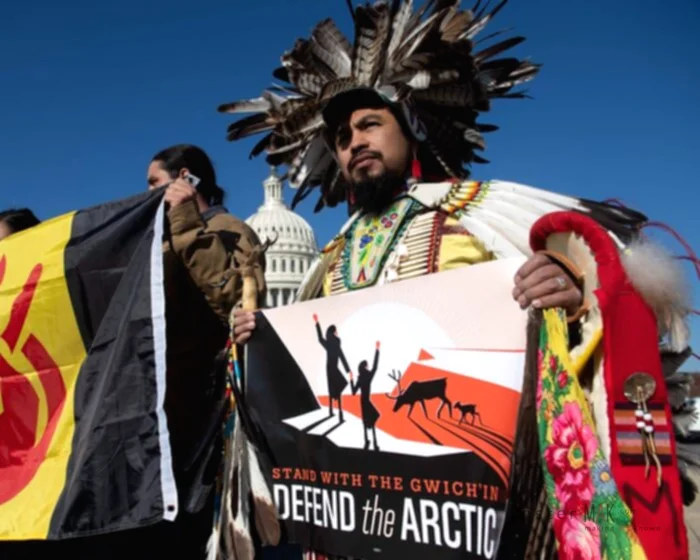
Indigenous communities living in the Arctic have voiced strong opposition to Trump’s plans for the Arctic. These communities rely on the region’s natural resources for their livelihoods and cultural practices. Increased industrial activity threatens their way of life and poses risks to their food security and health.
Indigenous leaders have called for greater inclusion in decision-making processes and respect for their traditional knowledge. They emphasize the importance of preserving the Arctic’s ecosystems and cultural heritage for future generations. The clash between economic development and indigenous rights highlights the complex social dynamics at play in the Arctic.
Trump’s Arctic Legacy and the Path Forward
The legacy of Trump’s Arctic plans continues to influence current policy debates. Although his administration made strides in opening up the Arctic for development, subsequent administrations have faced pressure to reverse these actions. The Biden administration, for example, has taken steps to halt new oil and gas leases in the Arctic and prioritize climate change mitigation.
The future of the Arctic remains uncertain. As climate change accelerates, the region’s vulnerabilities become more pronounced, and the need for sustainable solutions becomes increasingly urgent. Balancing economic interests with environmental protections and indigenous rights will be crucial in shaping the Arctic’s future.
The debate over Trump’s plans for the Arctic underscores the broader challenges of addressing the global climate crisis. As the world grapples with the impacts of climate change, the decisions made in the Arctic could have profound implications for the planet’s future. The path forward requires careful consideration of environmental, economic, and social factors, as well as international collaboration to safeguard the Arctic’s unique and fragile ecosystem.