
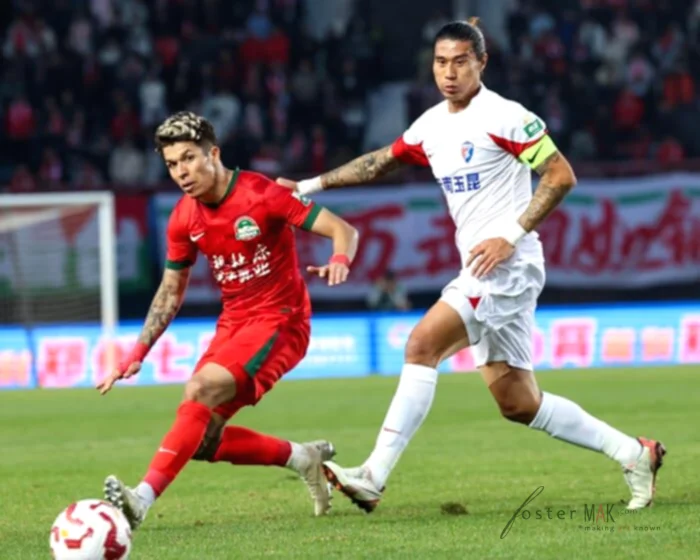
Chinese Football Returns Amid Bans, Crackdowns, and Uncertainty
Chinese football returns to the spotlight as the sport seeks to navigate the complexities of recent bans, government crackdowns, and a landscape fraught with uncertainty. The latest developments in China’s football scene have captured global attention as stakeholders aim to revive the sport’s fortunes amid stringent regulatory measures and pervasive challenges. As the country seeks to reestablish its position within the international football community, the path forward remains both promising and precarious.
Revival Efforts Amidst Setbacks
The return of Chinese football comes at a time when the sport is grappling with significant setbacks. The Chinese Football Association (CFA) has been making concerted efforts to revive the sport’s standing after a series of high-profile bans and strict government oversight. These measures have been implemented to address corruption, mismanagement, and financial instability within the sector. However, they have also created an environment of uncertainty that players, clubs, and fans must now navigate.
In recent years, the CFA has been working to overhaul the domestic league system, which has been plagued by issues of financial mismanagement and lack of transparency. This restructuring aims to create a more sustainable and competitive environment for clubs and players. Despite these efforts, the road to recovery has been marred by challenges, including the ongoing COVID-19 pandemic, which has further complicated the situation by impacting club revenues and fan attendance.
Government Influence and Regulatory Crackdowns
Government influence in Chinese football has been a double-edged sword. While state support has been instrumental in the sport’s development, recent crackdowns have put the industry under intense scrutiny. The government’s anti-corruption drive has led to the arrest of several prominent figures within the football community, sending shockwaves through the industry. These actions, while necessary to cleanse the sport of malpractices, have also created an atmosphere of apprehension.
As part of the crackdown, the government has imposed stricter regulations on player salaries and transfer fees to curb excessive spending and encourage clubs to focus on nurturing local talent. This move has significantly impacted the financial dynamics of the sport, forcing clubs to rethink their strategies and prioritize long-term development over short-term gains. The emphasis on building a robust grassroots structure is seen as a positive step towards sustainable growth, but it requires time and patience to bear fruit.
Chinese Football Returns to the International Arena
With Chinese football returning to the international arena, the focus is now on reestablishing the country’s reputation on the global stage. The CFA has been actively engaging with international partners to foster collaboration and exchange best practices. This includes hosting international tournaments and participating in global football forums to showcase the progress made in reforming the sport domestically.
Chinese clubs have also been keen to attract international talent, albeit within the constraints of new regulatory measures. The presence of foreign players and coaches in the Chinese Super League is seen as a crucial element in raising the standard of the domestic game. However, the emphasis on developing homegrown talent remains a priority, with the government and CFA investing in youth academies and training programs to nurture the next generation of football stars.
Challenges Facing Clubs and Players
As Chinese football returns to the spotlight, clubs and players are facing a unique set of challenges. Financial constraints have forced clubs to adopt more prudent budgeting practices, with a focus on sustainability rather than extravagant spending. This has led to a shift in club strategies, with greater emphasis on developing local players and creating a strong team ethos.
Players, too, are adapting to the new environment. The reduction in player salaries and transfer fees has affected career decisions for both domestic and international players. For Chinese players, the focus is now on improving skills and performance to meet the heightened expectations of clubs and fans. Meanwhile, foreign players are reassessing their options in light of the changing financial landscape and the increased emphasis on developing local talent.
The Role of Fans in the Sport’s Revival
Fans play a crucial role in the revival of Chinese football. Their unwavering support and passion for the game are vital in driving the sport forward. However, the recent challenges have tested the loyalty and patience of fans, who have witnessed their beloved clubs struggle both on and off the field.
The return of fans to stadiums, albeit with restrictions in place due to the ongoing pandemic, is a positive sign for the sport’s recovery. Clubs are actively engaging with their fan base through social media and community outreach programs to maintain interest and support. The CFA’s efforts to improve the quality of the domestic league and enhance the matchday experience are also aimed at rekindling fan enthusiasm.
Chinese Football Returns: A New Era of Opportunities
Chinese football returns with a renewed focus on creating opportunities for growth and development. The sport is poised to enter a new era where sustainability and long-term planning take precedence over short-lived success. The CFA’s strategic initiatives, coupled with government support, are designed to create a more competitive and resilient football ecosystem.
The emphasis on nurturing local talent and creating a robust football infrastructure is expected to yield dividends in the coming years. As Chinese football returns to the international stage, the country is keen to showcase its commitment to reform and progress. The journey ahead is challenging, but the potential for growth and success remains immense.
Youth Development: The Future of Chinese Football
The future of Chinese football lies in its youth development programs. Recognizing the importance of nurturing talent from a young age, the CFA has been investing in youth academies and training facilities across the country. These initiatives aim to identify and develop young players who can compete at the highest levels both domestically and internationally.
Collaborations with international clubs and organizations are also part of the strategy to enhance youth development. By learning from successful footballing nations, China hopes to implement best practices and create a pipeline of talented players who can represent the country on the global stage. As these programs gain momentum, the impact on the quality of domestic football is expected to be significant.
The Road Ahead: Navigating Challenges and Seizing Opportunities
As Chinese football returns, the road ahead is filled with both challenges and opportunities. The sport’s stakeholders are keenly aware of the need to balance immediate gains with long-term sustainability. The lessons learned from past missteps are guiding current efforts to create a more stable and competitive football environment.
While the challenges are formidable, the opportunities for growth and success are equally compelling. The return of Chinese football marks the beginning of a new chapter, one where the sport aims to reclaim its place on the international stage and inspire a new generation of players and fans.