
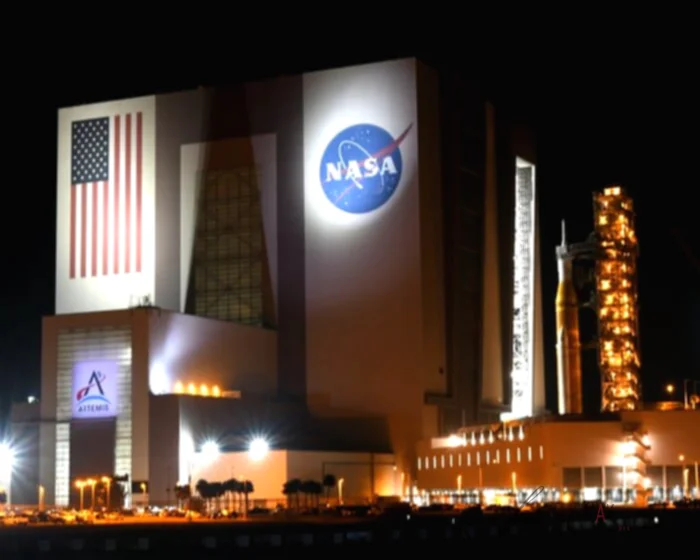
NASAs Artemis III Mission Faces Major Changes, No Lunar Landing
NASA’s Artemis III Mission to Moon, which was initially planned to mark humanity’s return to the lunar surface, has undergone significant revisions, according to recent announcements from the space agency. The mission will no longer include a lunar landing, a decision that has sparked widespread discussion among space enthusiasts and scientists alike. These changes come amid technical challenges and budgetary constraints that have reshaped the ambitious goals of the Artemis program.
Setbacks and Strategic Shifts
The Artemis III mission was poised to be a historic milestone, aiming to land the first woman and the next man on the Moon. However, NASA has encountered several setbacks that have influenced its decision to alter the mission’s objectives. The agency has cited technical difficulties, particularly with the development of the Human Landing System, as a primary reason for the change in plans. This system, essential for a safe and efficient landing on the Moon’s surface, has faced delays due to both design challenges and funding issues.
In addition to technical hurdles, the Artemis program is navigating financial constraints that have impacted its timeline. The original plans for a lunar landing were ambitious, with a target date initially set for 2024. However, budgetary allocations have not met the extensive requirements needed to achieve these goals within the planned timeframe. As a result, NASA has had to reassess its priorities and adjust the mission’s scope to align with the available resources.
The Artemis III Mission to Moon: Rethinking Lunar Ambitions
The Artemis III Mission to Moon was envisioned as a pivotal step in establishing a sustainable human presence on the lunar surface. The mission was not only about landing astronauts but also about setting the stage for long-term lunar exploration and eventual missions to Mars. Despite the absence of a lunar landing, NASA remains committed to these broader objectives.
The revised mission will focus on conducting comprehensive orbital operations around the Moon. This includes testing critical technologies and systems that will be essential for future lunar landings. The data and insights gained from these operations will inform subsequent missions and help refine the strategies needed for successful human exploration beyond Earth.
Prioritizing Safety and Sustainability
NASA’s decision to forgo the Artemis III lunar landing underscores the agency’s commitment to safety and sustainability in space exploration. The development of reliable and safe systems is paramount, and NASA is determined to ensure that all necessary technologies are thoroughly tested before attempting a landing. This cautious approach is intended to mitigate risks and lay a strong foundation for future crewed missions to the Moon.
The agency is also placing a strong emphasis on sustainability, recognizing that establishing a permanent human presence on the Moon requires careful planning and resource management. The insights gained from the Artemis III mission will contribute to the development of sustainable practices for living and working on the lunar surface, setting the stage for long-term exploration efforts.
International Collaboration and Future Prospects
Despite the changes to the Artemis III mission, NASA continues to emphasize the importance of international collaboration in its lunar exploration efforts. The Artemis program has garnered support from a global network of partners, including space agencies and private companies. These collaborations are seen as vital in pooling resources, expertise, and technology to achieve shared goals.
The revised Artemis III mission will still provide opportunities for international contributions, particularly in the areas of scientific research and technology development. By working together, NASA and its partners aim to overcome the challenges of lunar exploration and pave the way for future missions that will eventually return humans to the Moon.
The Artemis III Mission to Moon: A Pivotal Moment in Space Exploration
The Artemis III Mission to Moon, even without a lunar landing, represents a pivotal moment in the history of space exploration. It reflects NASA’s adaptability and resilience in the face of unforeseen challenges. The lessons learned from this mission will not only inform future lunar endeavors but also enhance our understanding of the complexities involved in human space travel.
As the Artemis program progresses, the ultimate goal remains unchanged: to establish a sustainable human presence on the Moon and prepare for future missions to Mars. While the path to achieving these objectives may have shifted, NASA’s commitment to pushing the boundaries of human exploration remains steadfast. The Artemis III mission, with its revised scope, continues to be a crucial step toward realizing these ambitious aspirations.