
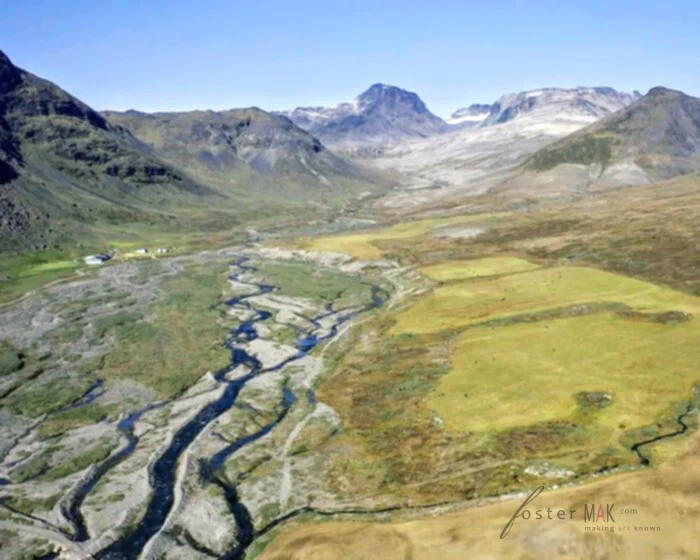
Discover Why Greenland Is Exceptionally Rich in Natural Resources
Greenland, the world’s largest island, is gaining increased global attention for its wealth of natural resources. The phrase
Greenland rich in natural resources
is no longer just a buzzword but a reality that holds significant implications for global economies and environmental policies. This Arctic territory, largely covered in ice, is becoming a focal point for international mining, scientific research, and strategic geopolitical interests. As the ice melts due to climate change, the hidden treasures beneath are becoming more accessible, opening up new opportunities and challenges.
The Geological Wealth Beneath the Ice
Greenland’s geological landscape is a treasure trove of minerals and rare earth elements. The island is known to harbor abundant deposits of resources such as iron ore, lead, zinc, gold, and uranium. Recent geological surveys have also identified significant quantities of rare earth elements, which are vital for the production of high-tech devices, renewable energy technologies, and military equipment. These discoveries place Greenland in a unique position to influence the global supply chain of these critical materials.
Rare Earth Elements: Greenland’s Hidden Treasure
The global demand for rare earth elements is on the rise, and Greenland’s deposits could play a crucial role in meeting this demand. The island’s rare earth elements, including neodymium, dysprosium, and terbium, are essential components in the manufacturing of wind turbines, electric vehicle motors, and smartphones. As countries strive to transition to greener technologies, the strategic importance of these minerals cannot be overstated. This positions Greenland as a potential key player in the global green energy transition.
Political Implications of Greenland’s Resource Wealth
The recognition of Greenland rich in natural resources has profound geopolitical implications. The island’s strategic location in the Arctic has already made it a point of interest for several superpowers, including the United States, Russia, and China. As countries seek to secure their supply chains and reduce dependence on traditional sources, Greenland’s resources have become increasingly attractive. This has led to a surge in international interest and investment in Greenland’s mining sector, with several multinational corporations eyeing the opportunities that lie beneath the ice.
International Interest and Investment
Several countries have already begun to establish a presence in Greenland, either through direct investments or by forming partnerships with local companies. Chinese firms, in particular, have shown a keen interest in Greenland’s mineral wealth, seeking to secure a steady supply of rare earth elements for their burgeoning technology sector. The United States, recognizing the strategic importance of the region, has also increased its diplomatic and economic engagement with Greenland. This international attention underscores the island’s growing significance on the world stage.
Environmental Concerns Amidst Resource Exploitation
While the potential economic benefits of exploiting Greenland’s resources are significant, they come with substantial environmental concerns. The extraction of minerals and rare earth elements poses a threat to the fragile Arctic ecosystem. The process of mining can lead to habitat destruction, pollution, and the disruption of local wildlife. As Greenland moves toward resource development, balancing economic growth with environmental preservation is a critical challenge.
Climate Change and Melting Ice
The effects of climate change are particularly pronounced in Greenland, where rising temperatures are causing the ice sheets to melt at an alarming rate. This melting has made previously inaccessible resources more reachable, but it also contributes to global sea-level rise. The paradox of capitalizing on resources made available due to climate change while simultaneously contributing to environmental degradation presents a complex dilemma for policymakers and stakeholders.
Greenland’s Path Forward
As Greenland stands on the brink of a new era of resource exploration and exploitation, the island’s government faces crucial decisions about its future. The potential revenues from mining and resource exports could provide significant economic benefits for Greenland’s small population, offering opportunities for improved infrastructure, healthcare, and education. However, the government must navigate the challenges of managing external interests and ensuring that the benefits of resource extraction are equitably shared among its citizens.
Local Communities and Economic Opportunities
The development of Greenland’s natural resources presents both opportunities and challenges for local communities. On one hand, the influx of investment and the creation of jobs in the mining sector could stimulate economic growth and development. On the other hand, there are concerns about the social and cultural impacts of increased foreign presence and the potential for economic dependency on resource extraction. Ensuring that local communities are actively involved in decision-making processes and benefit from resource development is crucial for sustainable growth.
Greenland, a land once perceived primarily as a remote icy expanse, is rapidly emerging as a pivotal player in the global landscape of natural resources. The recognition of Greenland rich in natural resources highlights the island’s potential to influence global markets, geopolitical dynamics, and environmental policies. As the world watches, Greenland’s journey toward harnessing its resource wealth will be closely scrutinized, offering valuable insights into the complex interplay between economic opportunity and environmental stewardship.