Lifestyle Factors Behind Breast Cancer A Quarter of Healthy Years
In recent years, the connection between lifestyle factors and breast cancer has become an increasingly important area of research. As awareness grows about how daily habits can influence health outcomes, researchers are delving deeper into understanding the role of lifestyle in the development and progression of breast cancer. This exploration is crucial as it holds the potential to not only enhance prevention strategies but also improve the quality of life for those diagnosed with this disease.
The Rising Incidence of Breast Cancer
Breast cancer remains one of the most common cancers affecting women worldwide. According to the World Health Organization, it accounts for approximately 25% of all cancer cases in women, with an estimated 2.3 million new cases diagnosed in 2020 alone. This rising incidence highlights the urgent need to identify modifiable risk factors to curb its prevalence. Lifestyle factors such as diet, physical activity, alcohol consumption, and smoking have come under scrutiny as they are considered changeable elements that might influence breast cancer risk.
Researchers have been particularly interested in how these factors can potentially lead to earlier onset and increased susceptibility to breast cancer. While genetic predisposition plays a significant role, lifestyle choices are increasingly recognized as critical components that can either trigger or mitigate cancerous developments.
Diet and its Influence on Breast Cancer
Dietary habits are one of the most scrutinized lifestyle factors in breast cancer research. High-fat diets, particularly those rich in saturated fats, have been linked to increased breast cancer risk. Conversely, diets abundant in fruits, vegetables, and fiber are associated with a reduced risk. The Mediterranean diet, which emphasizes healthy fats, whole grains, and plant-based foods, has been particularly noted for its protective effects.
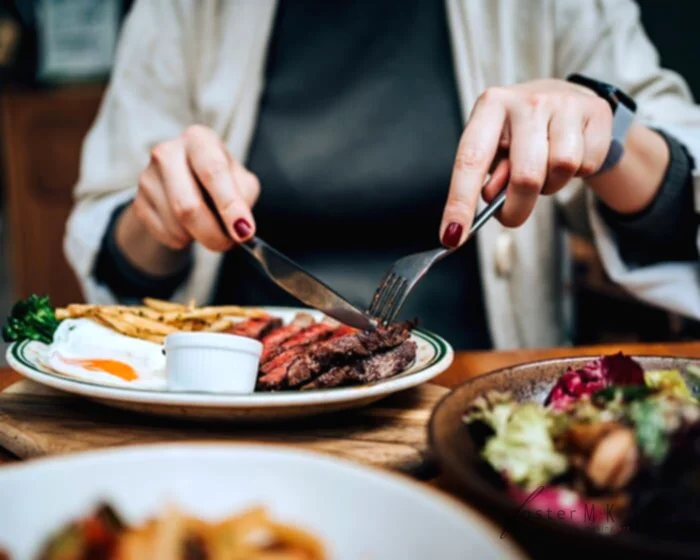
Studies suggest that certain foods may influence hormonal levels in the body, thereby affecting breast cancer risk. For example, a high intake of red and processed meats has been associated with elevated estrogen levels, which can promote the growth of hormone-receptor-positive breast cancers. On the other hand, phytoestrogens found in soy products may have a protective effect by mimicking the body’s natural hormones and preventing the binding of more potent estrogens to breast tissue.
Physical Activity: A Protective Shield
Physical activity is another critical factor that has been consistently associated with a reduced risk of breast cancer. Regular exercise is believed to modulate body weight, hormone levels, and immune function, all of which can influence cancer risk. Women who engage in moderate to vigorous physical activity for at least 150 minutes per week have been shown to have a significantly lower risk of developing breast cancer compared to those who are sedentary.
Exercise not only helps in maintaining a healthy weight but also lowers levels of circulating insulin and estrogen, both of which are linked to breast cancer. Furthermore, physical activity enhances immune system function, which is vital in identifying and destroying aberrant cells that may develop into cancer.
The Role of Alcohol and Smoking
Alcohol consumption has been identified as a risk factor for breast cancer, with studies indicating a dose-response relationship. This means that the risk of breast cancer increases with the amount of alcohol consumed. Even moderate drinking has been associated with a slight increase in risk, emphasizing the need for awareness and moderation among women who choose to consume alcoholic beverages.
Smoking, traditionally associated with lung cancer, has also been implicated in breast cancer risk. While the link is not as strong as with lung cancer, smoking has been shown to increase the risk of breast cancer, particularly in premenopausal women. The carcinogens present in tobacco smoke can cause DNA damage in breast cells and lead to the development of cancer.
Understanding the Interplay of Lifestyle Factors and Breast Cancer
The interplay between lifestyle factors and breast cancer is complex and multifaceted. While individual factors such as diet, exercise, alcohol, and smoking each play a role, their combined effects can be even more significant. Researchers are increasingly focusing on how these factors interact with each other and with genetic predispositions to influence breast cancer risk.
For instance, obesity, which is influenced by both diet and physical activity, is a known risk factor for breast cancer. Excess body fat can lead to increased estrogen production, which promotes the growth of hormone-sensitive breast cancers. Moreover, obesity is often associated with higher insulin levels and chronic inflammation, both of which can contribute to cancer development.
Navigating Lifestyle Changes for Breast Cancer Prevention
Given the influence of lifestyle factors on breast cancer risk, public health initiatives are increasingly focusing on promoting healthy lifestyle changes as a means of prevention. Encouraging healthy eating, regular physical activity, and moderation in alcohol consumption are key strategies. Smoking cessation programs and awareness campaigns about the risks associated with tobacco use are also important components of cancer prevention efforts.
Healthcare providers play a crucial role in guiding patients towards making these lifestyle changes. By understanding individual risk factors and providing personalized recommendations, healthcare professionals can help women reduce their breast cancer risk and improve their overall health.
The Impact of Lifestyle Factors and Breast Cancer on Quality of Life
Beyond prevention, lifestyle factors can also impact the quality of life for breast cancer survivors. Adopting healthy habits post-diagnosis has been shown to enhance recovery, reduce the risk of recurrence, and improve survival rates. Exercise, for example, can alleviate treatment-related fatigue and improve mood, while a balanced diet can support immune function and overall well-being.
Psychosocial support is also an integral aspect of managing the impact of breast cancer. Stress management techniques, such as mindfulness and counseling, can help patients cope with the emotional challenges of a cancer diagnosis and treatment. By addressing both physical and mental health, survivors can achieve a better quality of life during and after their cancer journey.
Community Support and Policy Initiatives
Community support and policy initiatives are vital in promoting lifestyle changes and reducing breast cancer risk. Local governments and organizations can play a significant role by creating environments that facilitate healthy living. This includes providing access to affordable healthy foods, creating safe spaces for physical activity, and implementing policies that limit alcohol and tobacco availability.
Educational campaigns aimed at raising awareness about the link between lifestyle factors and breast cancer are also crucial. By empowering individuals with knowledge, communities can foster a culture of health that prioritizes cancer prevention and supports those affected by the disease.