
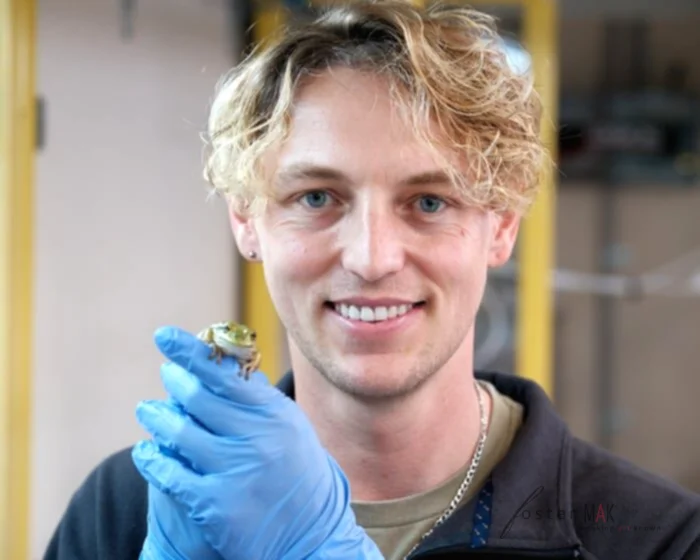
Biologists Mini Saunas for Frogs Could Save Species
In a groundbreaking development that has piqued the curiosity of biologists and conservationists worldwide, researchers are experimenting with mini saunas for frogs as a potential solution to combat the deadly chytrid fungus. This novel approach aims to curb the spread of a pathogen that has been decimating amphibian populations globally. The unique method leverages the basic principle of heat therapy, which has shown promise in eradicating the fungus without harming the host. With amphibians facing unprecedented threats, these mini saunas could play a crucial role in preserving biodiversity.
The Global Amphibian Crisis
The global amphibian population is in crisis. In recent decades, amphibians have experienced dramatic declines, with many species teetering on the brink of extinction. One of the most significant threats to these creatures is the chytrid fungus, formally known as Batrachochytrium dendrobatidis. This pathogen has been identified as a leading cause of amphibian declines and extinctions. It infects the skin of amphibians—a vital organ for their respiration and hydration—leading to lethal outcomes. The fungus has spread rapidly across continents, leaving a trail of devastation in its wake.
Mini Saunas for Frogs: An Innovative Approach
Faced with this alarming situation, scientists have been exploring various strategies to mitigate the impact of the chytrid fungus. Among the innovative solutions being tested are mini saunas for frogs. The concept is simple yet effective: by placing frogs in controlled environments where the temperature is elevated to specific degrees, researchers can kill the fungus while ensuring the amphibians remain unharmed. The temperatures used are carefully regulated to target the pathogen without exceeding the thermal tolerance of the frogs.
How It Works: The Science Behind the Saunas
The science behind mini saunas for frogs is rooted in the thermal sensitivity of the chytrid fungus. Unlike frogs, which have evolved to withstand a range of temperatures, the chytrid fungus has a relatively narrow thermal threshold. By exposing infected frogs to temperatures slightly above the optimal range for the fungus, scientists can effectively neutralize the pathogen. The process involves placing the frogs in small, temperature-controlled chambers for a set duration, allowing the heat to penetrate their skin and eradicate the infection.
The practicality of this approach has been demonstrated in several laboratory settings, where infected frogs were treated using mini saunas and subsequently showed signs of recovery. The method offers a non-invasive and potentially scalable solution to a problem that has plagued conservationists for years.
Potential Impact on Conservation Efforts
The introduction of mini saunas for frogs could revolutionize conservation efforts for amphibians. As a method that is both cost-effective and easy to implement, it holds promise for widespread application in the field. Conservationists envision deploying these saunas in areas heavily impacted by the chytrid fungus, providing a lifeline to endangered species. Moreover, the technique could be adapted to treat other amphibians suffering from similar pathogenic threats.
This approach also offers insights into the broader application of thermal therapy in wildlife management. By harnessing the natural properties of heat, scientists can develop new strategies to combat a range of infectious diseases affecting various species. As such, mini saunas for frogs could pave the way for innovative solutions in wildlife conservation.
Challenges and Considerations
While the concept of mini saunas for frogs is promising, there are several challenges that researchers must address before it can be widely adopted. One of the primary concerns is ensuring the safety and welfare of the frogs during treatment. Careful calibration of temperature and exposure time is crucial to prevent thermal stress or injury to the animals. Additionally, scaling up the method for use in natural habitats presents logistical challenges, including the need for portable and durable equipment.
Another consideration is the variability in thermal tolerance among different frog species and populations. Researchers must tailor the sauna conditions to suit the specific needs of each species to maximize the effectiveness of the treatment.
Promising Results from Early Trials
Despite these challenges, early trials of mini saunas for frogs have yielded promising results. Several pilot studies have demonstrated the technique’s efficacy in reducing fungal loads in infected frogs. In some cases, treated frogs were reintroduced into the wild with a significantly improved chance of survival.
These successes have spurred further research into refining the method and expanding its application to other amphibian species. Collaborative efforts among biologists, veterinarians, and conservationists are underway to optimize the sauna design and protocols, with the goal of implementing large-scale treatment programs in the near future.
A Glimmer of Hope for Amphibian Conservation
The development of mini saunas for frogs represents a glimmer of hope in the battle against amphibian declines. As one of the most threatened groups of animals on the planet, amphibians play a crucial role in ecosystems, serving as both predator and prey and contributing to nutrient cycling. Their decline has far-reaching implications for biodiversity and ecosystem health.
By providing an effective tool to combat the chytrid fungus, mini saunas offer a viable path forward in amphibian conservation. As researchers continue to refine and test this method, the prospects for saving countless species from extinction grow brighter. The success of this innovative approach underscores the importance of scientific ingenuity in addressing the complex challenges facing wildlife conservation today.