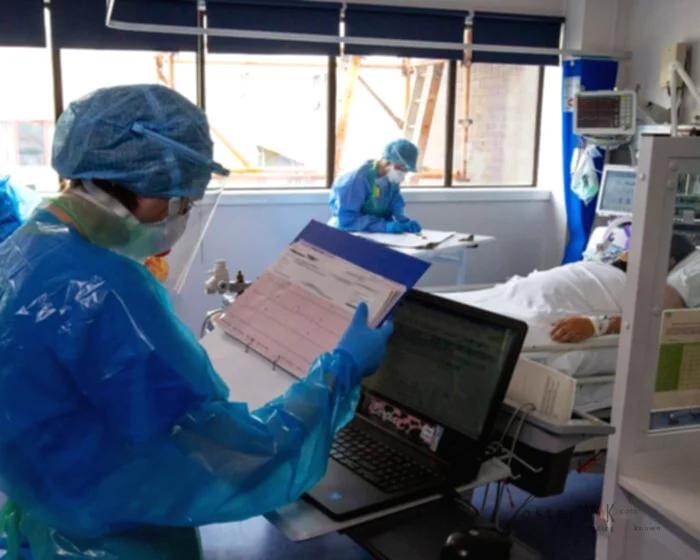
Obesity Increases Hospitalisation and Death Risk from Infections
Obesity is a growing global health concern that significantly increases the risk of hospitalisation and death from infection. According to recent studies, individuals with obesity are more susceptible to severe outcomes when facing infections such as COVID-19, influenza, and other respiratory illnesses. The correlation between obesity and heightened vulnerability to infections is becoming increasingly evident as healthcare systems worldwide struggle to manage the dual challenges of rising obesity rates and infectious disease outbreaks.
Obesity and Its Impact on the Immune System
The relationship between obesity and the immune system is complex yet critical to understanding why individuals with obesity are more likely to be hospitalised or die from infection. Obesity often leads to a chronic state of inflammation in the body, which can impair the immune system’s ability to respond effectively to pathogens. This ongoing inflammatory response can cause dysregulation in immune cell functions, reducing the body’s ability to fight off infections efficiently.
Additionally, excess body fat, particularly visceral fat, can contribute to a state of immune dysfunction. Adipose tissue, or body fat, is not merely an inert storage depot for energy but an active endocrine organ that secretes various substances, including cytokines and adipokines. These substances can influence immune responses and often exacerbate inflammation, further compromising immune defenses.
The Burden on Healthcare Systems
The rising prevalence of obesity is placing an increasing burden on healthcare systems worldwide. Hospitalisation rates for individuals with obesity are notably higher during infectious disease outbreaks. For instance, during the COVID-19 pandemic, hospitals observed a significant number of patients with obesity requiring intensive care and mechanical ventilation compared to those with a healthy weight. This trend highlights the pressing need for healthcare systems to adapt and prepare for the challenges posed by the intersection of obesity and infectious diseases.
Healthcare providers are urged to consider obesity as a significant risk factor when assessing patients’ susceptibility to severe infections. This includes prioritising vaccination efforts and preventive measures for individuals with obesity to mitigate the risk of hospitalisation and severe outcomes.
Obesity Hospitalised or Die from Infection: A Growing Concern
The focus on obesity as a critical factor in determining the severity of infections has intensified, especially in light of recent pandemics. Research indicates that individuals with obesity are more likely to be hospitalised or die from infection due to compromised lung function, increased oxygen demand, and a higher likelihood of comorbidities such as diabetes and cardiovascular disease.
Pulmonary complications are a particular concern for individuals with obesity when battling respiratory infections. Excess body weight can restrict lung expansion and reduce respiratory muscle strength, making it more difficult for the body to maintain adequate oxygen levels. This physiological challenge is compounded by the increased metabolic demands associated with infection, which can overwhelm the body’s ability to cope, leading to more severe disease progression and higher mortality rates.
Societal and Economic Implications
The societal and economic implications of the link between obesity and increased risk of hospitalisation and death from infections are profound. Obesity-related health complications significantly contribute to rising healthcare costs, loss of productivity, and diminished quality of life. As the prevalence of obesity continues to rise, these challenges are expected to intensify, placing further strain on public health resources and economic stability.
Addressing the obesity epidemic requires a multifaceted approach involving government policies, community initiatives, and individual lifestyle changes. Public health campaigns aimed at promoting healthier eating habits, encouraging physical activity, and reducing sedentary behaviors are essential components of a comprehensive strategy to combat obesity and its associated risks.
Interventions and Preventive Measures
To reduce the risk of hospitalisation and death from infection among individuals with obesity, targeted interventions and preventive measures are crucial. Healthcare providers play a vital role in educating patients about the importance of weight management and its impact on overall health and infection risk. Weight loss, even in modest amounts, can improve immune function and reduce inflammation, thereby decreasing the likelihood of severe infection outcomes.
Vaccination is another critical preventive measure for individuals with obesity. Ensuring that this population receives timely vaccinations for infectious diseases such as influenza and COVID-19 can help mitigate the risk of severe illness. Additionally, healthcare providers should emphasize the importance of regular health screenings to manage and monitor obesity-related comorbidities, which can further exacerbate the risk of severe infections.
Obesity Hospitalised or Die from Infection: The Role of Research
Ongoing research is essential to deepen our understanding of the mechanisms linking obesity and increased susceptibility to infections. Scientists are exploring various biological pathways and genetic factors that may contribute to the heightened risk faced by individuals with obesity. This research is crucial for developing targeted therapies and interventions aimed at reducing infection-related morbidity and mortality in this population.
Furthermore, studies examining the impact of weight loss interventions on infection outcomes are providing valuable insights. Research indicates that weight reduction can lead to improvements in immune function and a decrease in inflammatory markers, suggesting that weight management should be a priority in preventing severe infection outcomes among individuals with obesity.
The Importance of Public Awareness and Education
Raising public awareness about the link between obesity and increased risk of hospitalisation and death from infections is vital for encouraging proactive health behaviors. Educational campaigns should focus on highlighting the importance of maintaining a healthy weight, adopting a balanced diet, and engaging in regular physical activity as fundamental components of overall health and well-being.
Community-based programs that provide support and resources for individuals seeking to achieve and maintain a healthy weight can also play a significant role in addressing the obesity epidemic. These programs should be inclusive and accessible, offering guidance and assistance to individuals from diverse backgrounds and socioeconomic statuses.
In conclusion, the relationship between obesity and increased risk of hospitalisation and death from infections is a pressing public health issue that requires urgent attention. As the prevalence of obesity continues to rise globally, healthcare systems, policymakers, and communities must work together to implement effective strategies for prevention and intervention. By addressing the root causes of obesity and promoting healthier lifestyles, we can reduce the burden of infectious diseases and improve outcomes for individuals at risk.