
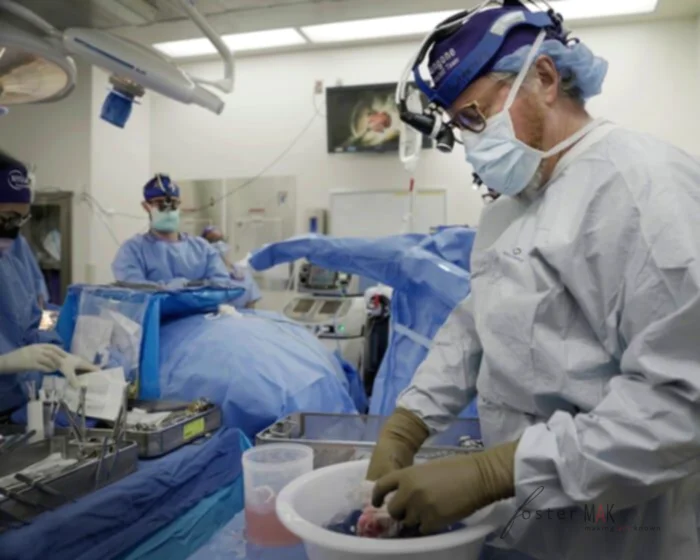
Expert Claims Pig Organ Transplants May Outperform Human Ones
In a significant breakthrough within the field of medical science, pig organ transplants are gaining attention as a potentially more effective alternative to human organ transplants. This advancement has the potential to address the persistent issue of organ shortages, offering hope to patients worldwide who are on waiting lists for life-saving procedures.
Surge in Interest for Xenotransplantation
Xenotransplantation, the process of transplanting organs or tissues between different species, has been a subject of scientific curiosity for decades. However, recent developments have rekindled interest in this area, particularly concerning the use of pig organs for human transplants. Medical professionals are increasingly optimistic about the potential of pig organs to meet the growing demand for transplants.
The surge in interest can be attributed to advances in genetic engineering, which have enabled scientists to modify pig organs to reduce the risk of rejection by human immune systems. This is a critical factor in the success of any transplant procedure, and the ability to overcome this hurdle has opened new possibilities for xenotransplantation.
Breakthroughs in Genetic Engineering
The role of genetic engineering in pig organ transplants cannot be overstated. Researchers have achieved significant breakthroughs by applying CRISPR technology to alter the genetic makeup of pigs. These modifications are designed to eliminate specific proteins in pig organs that trigger adverse immune responses in humans.
The advent of CRISPR technology has allowed scientists to perform precise genetic modifications, significantly reducing the risk of organ rejection. This has paved the way for more successful xenotransplantation trials, with several studies showing promising results in preclinical settings.
Pig Organ Transplants: A Closer Look
Pig organ transplants, also known as porcine transplants, have been the subject of numerous studies and trials. The heart, kidneys, and liver of pigs are of particular interest due to their anatomical and physiological similarities to human organs. These similarities make pig organs suitable candidates for transplantation into human bodies.
The primary challenge in xenotransplantation has been the human body’s immune response, which typically rejects foreign tissues. However, with the advent of genetic modifications, researchers have been able to create pigs with organs that are more compatible with human immune systems. This has led to a growing body of evidence suggesting that pig organ transplants could one day become a viable option for patients in need.
Ethical Considerations and Public Perception
As with any groundbreaking medical procedure, ethical considerations play a significant role in the development and acceptance of pig organ transplants. The use of animals for medical purposes has long been a topic of debate, and xenotransplantation is no exception. Ethical concerns revolve around the welfare of donor animals and the potential risks to human recipients.
Public perception of pig organ transplants is also a critical factor in their acceptance and implementation. Education and awareness campaigns are necessary to address misconceptions and highlight the potential benefits of xenotransplantation. The medical community must engage in transparent discussions about the ethical implications and safety measures associated with these procedures to gain public trust.
The Role of Regulatory Bodies
Regulatory bodies play a crucial role in overseeing the development and implementation of pig organ transplants. Ensuring the safety and efficacy of these procedures is of paramount importance, and regulatory agencies are responsible for establishing guidelines and standards for xenotransplantation.
In recent years, several regulatory bodies have shown a willingness to explore the potential of pig organ transplants. The U.S. Food and Drug Administration (FDA) and similar agencies in other countries are actively reviewing data from clinical trials to assess the safety and viability of these procedures. This regulatory oversight is essential to ensure that pig organ transplants meet the necessary ethical and medical standards.
Pioneering Clinical Trials
Clinical trials involving pig organ transplants have garnered significant attention from the medical community. Pioneering studies have demonstrated the potential of these transplants to save lives and improve the quality of life for patients suffering from organ failure.
One notable trial involved the transplantation of a genetically modified pig heart into a human patient. The procedure, conducted under strict ethical and medical guidelines, showed promising results, with the patient experiencing improved cardiac function and minimal signs of organ rejection. Such trials are crucial for advancing the field of xenotransplantation and providing valuable insights into the long-term viability of pig organ transplants.
Challenges and Future Prospects
Despite the promising advancements in pig organ transplants, several challenges remain. The long-term effects of xenotransplantation on human health are still not fully understood, and researchers are working diligently to address these uncertainties. Additionally, the cost of developing genetically modified pigs and conducting extensive trials can be prohibitive, posing financial challenges for research institutions.
However, the potential benefits of pig organ transplants cannot be ignored. As research continues to progress, the medical community is optimistic about the future prospects of xenotransplantation. Continued investment in research and development, coupled with rigorous regulatory oversight, will be essential for overcoming the challenges and realizing the full potential of pig organ transplants.
In conclusion, pig organ transplants represent a promising frontier in medical science, offering hope to countless patients in need of life-saving procedures. While challenges remain, the advancements in genetic engineering and regulatory support provide a solid foundation for the future of xenotransplantation.