How Same-Sex Behaviour in Primates Strengthens Bonds Under Stress
In recent years, scientific studies have increasingly shed light on the prevalence and significance of same-sex sexual behaviour in primates. This phenomenon, observed across various primate species, not only challenges traditional understandings of sexual behaviour but also enriches our comprehension of social dynamics within these species. By delving into the intricacies of these behaviours, researchers have uncovered their role in stress alleviation and social bonding, offering fresh perspectives on both primate and human social interactions.
Observations from the Wild: A Closer Look at Primate Social Structures
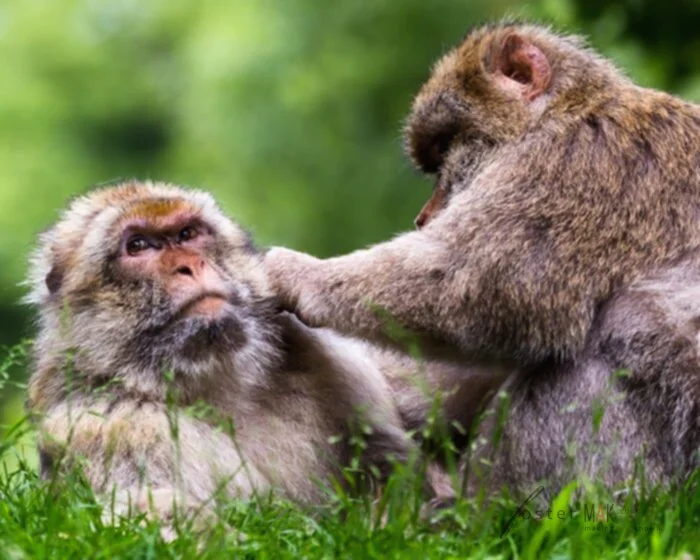
The natural habitats of primates—ranging from dense rainforests to expansive savannas—serve as living laboratories for the observation of same-sex sexual behaviour. In these environments, researchers have documented a variety of interactions that include grooming, mounting, and other forms of affectionate behaviour between individuals of the same sex. Contrary to previously held notions that such behaviour is purely sexual, there is growing evidence to suggest that these interactions play a critical role in the social cohesion and overall well-being of primate groups.
In species such as bonobos, one of our closest genetic relatives, same-sex behaviour is a well-documented aspect of their social life. Bonobos use sexual interactions, both heterosexual and homosexual, as a means to resolve conflicts and reinforce social bonds. This behaviour is not limited to bonobos, as similar patterns have been observed in other primates like chimpanzees, baboons, and macaques, each employing these interactions for various social purposes.
The Science Behind Same-Sex Sexual Behaviour in Primates
Understanding same-sex sexual behaviour in primates requires an examination of the underlying biological and psychological mechanisms. Researchers have proposed several theories to explain why these behaviours occur. One prominent theory suggests that same-sex interactions might serve as a strategy for reducing tension and mitigating aggression within groups. By engaging in these behaviours, individuals can lower their stress levels and foster a sense of unity, which is crucial for group survival.
Hormonal influences also play a significant role in shaping same-sex interactions. For instance, studies have indicated that high levels of certain hormones, such as oxytocin, can enhance bonding behaviours. Oxytocin, often referred to as the ‘love hormone,’ is known to facilitate social bonding and trust among individuals. In primates, elevated oxytocin levels during same-sex interactions may enhance the feeling of closeness and cooperation.
Same-Sex Behaviour as a Response to Environmental Stressors
The adaptive advantages of same-sex sexual behaviour in primates become particularly evident when considering environmental stressors. In challenging conditions, such as food scarcity or threats from predators, maintaining group cohesion becomes vital. Same-sex interactions can be a strategic response to such stressors, helping to reinforce alliances and ensure cooperative behaviours essential for survival.
For example, during periods of resource scarcity, primates may rely more heavily on social networks to access limited supplies. Same-sex behaviours can strengthen these networks by reducing interpersonal tensions and enhancing cooperative foraging or defense strategies. In this way, same-sex interactions contribute to the overall resilience of primate groups in the face of environmental challenges.
Cultural Implications of Primate Behaviour
The observation of same-sex sexual behaviour in primates has far-reaching implications for our understanding of both primate and human cultures. These behaviours challenge the notion of rigid sexual roles and highlight the fluidity and complexity of social interactions. In many primate societies, these behaviours are not stigmatized but rather integrated into the social fabric, suggesting a level of acceptance and adaptability that could inform human perspectives on sexuality and social organization.
Anthropologists and primatologists continue to explore the parallels between primate and human social behaviours. By studying primates, researchers gain insights into the evolutionary origins of human social structures and the potential flexibility of sexual norms. This research also underscores the importance of considering a broad spectrum of behaviours when examining the social lives of both animals and humans.
Recent Studies Highlighting the Benefits of Same-Sex Interactions
Recent studies have expanded our understanding of same-sex sexual behaviour in primates, highlighting its role in promoting individual and group welfare. In one study, researchers observed that primates engaging in same-sex interactions exhibited lower levels of cortisol, a hormone associated with stress. This finding suggests that these behaviours serve as an effective coping mechanism, helping individuals manage stress and maintain emotional balance.
Furthermore, same-sex interactions have been linked to increased social integration and reduced instances of conflict within groups. By fostering trust and cooperation, these behaviours contribute to a more harmonious social environment, thereby enhancing the overall stability of primate communities. Such findings emphasize the multifaceted nature of same-sex interactions, extending beyond mere sexual expression to encompass broader social functions.
Ethical Considerations in Primate Research
The study of same-sex sexual behaviour in primates also raises important ethical considerations. Researchers must navigate the complexities of observing and interpreting behaviours without imposing human biases or misconceptions. Ensuring the welfare and dignity of primates throughout the research process is paramount. Ethical guidelines and rigorous methodologies are essential to maintain the integrity of scientific inquiry while respecting the autonomy and natural behaviours of these animals.
Moreover, the insights gained from studying primates should be communicated with sensitivity and responsibility. As these findings often intersect with societal debates on sexuality and gender, researchers must approach the dissemination of information with care, ensuring that it is presented accurately and constructively.
Future Directions in Primate Behaviour Research
As research into same-sex sexual behaviour in primates continues to evolve, several promising avenues for future exploration have emerged. Advances in technology, such as non-invasive hormonal sampling and high-resolution imaging techniques, are enabling researchers to gain deeper insights into the physiological and neurological aspects of these behaviours. Additionally, interdisciplinary collaborations are fostering a more comprehensive understanding of the social and environmental factors influencing primate interactions.
The ongoing study of same-sex behaviours in primates not only enriches our knowledge of these fascinating creatures but also contributes to broader discussions on the complexity and diversity of social behaviour in the animal kingdom. As we continue to uncover the nuances of primate interactions, these findings hold the potential to inform and inspire new perspectives on human sociality and the natural world.