
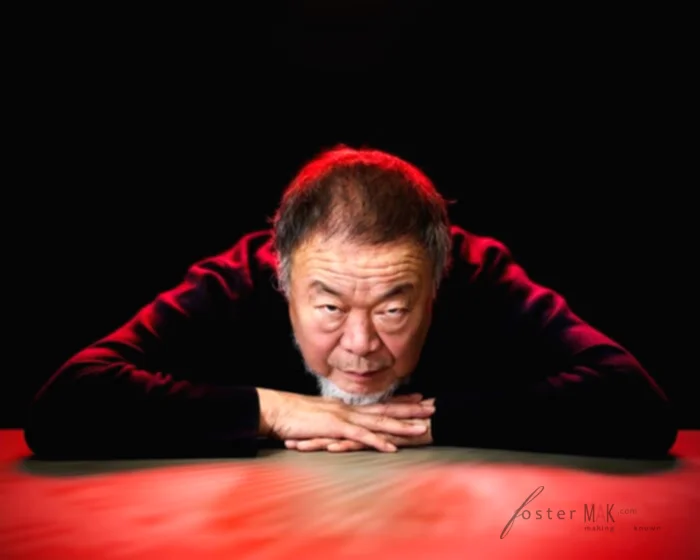
Ai Weiwei on AI and Censorship His Bold Return to China
In an unexpected move that has garnered international attention, renowned Chinese dissident and artist Ai Weiwei has made a bold return to China. His return coincides with his provocative new commentary on the convergence of artificial intelligence and censorship. Ai Weiwei on AI and Censorship has become a focal point of discussion as the artist continues to challenge the boundaries of freedom of expression in a country known for its stringent control over such liberties.
A Controversial Homecoming
Ai Weiwei’s return to China comes after over a decade of self-imposed exile in Europe, where he was free to express his art and ideas without constraint. His homecoming is not merely a personal journey but a powerful statement against the backdrop of China’s continued tight grip on free speech. Ai’s re-entry into China has been met with both anticipation and apprehension. While some view it as a courageous act of defiance, others ponder the implications for his personal safety and artistic freedom.
The artist’s return is particularly significant given his past experiences with Chinese authorities. In 2011, Ai was detained for 81 days without charge, an ordeal that drew widespread international condemnation. His art, which often critiques governmental control and social issues, has frequently put him at odds with the Chinese government. Now, his focus on artificial intelligence and its role in censorship has added a new layer to his ongoing critique of authoritarianism.
Ai Weiwei on AI and Censorship
The intersection of artificial intelligence and censorship is a pressing issue that Ai Weiwei has recently brought to the forefront of his work. In a world where technology is rapidly advancing, AI presents both opportunities and challenges for freedom of expression. Ai Weiwei on AI and Censorship explores how these technologies can be utilized by authoritarian regimes to enhance their control over information.
Ai has expressed concerns about the potential for AI to be used as a tool for mass surveillance and censorship. In China, where the state has already implemented extensive measures to monitor and control the internet, the integration of AI technologies could further entrench these practices. Ai warns that the use of AI in this manner not only stifles creativity but also poses a significant threat to democracy and human rights on a global scale.
The Role of Art in Challenging Censorship
Throughout his career, Ai Weiwei has used his art as a medium to challenge censorship and promote dialogue on social and political issues. His work often incorporates elements of activism and dissent, making it both provocative and impactful. In the context of AI and censorship, Ai’s art continues to serve as a catalyst for conversation and reflection.
Several of Ai’s recent installations have focused on the theme of surveillance, using innovative techniques to engage audiences in discussions about privacy and freedom. By leveraging the power of art, Ai seeks to expose the insidious nature of censorship and inspire others to question the status quo. His work encourages viewers to consider the implications of unchecked technological advancements and the importance of safeguarding free expression.
China’s Technological Landscape
China’s rapid technological development has been both impressive and concerning, particularly in the realm of AI. The country has made significant investments in AI research and development, aiming to become a global leader in the field. However, this progress has been accompanied by increased state control over digital spaces and a growing emphasis on cybersecurity.
The Chinese government has implemented a series of policies aimed at regulating the internet, often citing national security concerns. These measures have raised alarm among human rights advocates who argue that they restrict individual freedoms and suppress dissent. Ai Weiwei’s commentary on AI and censorship is particularly relevant in this context, as it highlights the potential dangers of allowing technology to be used as a means of control.
Global Implications of AI in Censorship
While Ai Weiwei’s focus is primarily on China, the issues he raises have global significance. The rise of AI and its potential use in censorship is not limited to any one country. Around the world, governments are grappling with how to balance technological innovation with the protection of civil liberties.
Ai’s insights into the intersection of AI and censorship serve as a cautionary tale for other nations. As technology continues to evolve, it is crucial for policymakers to consider the ethical implications of AI and its impact on freedom of expression. Ai’s work underscores the need for international cooperation in addressing these challenges and ensuring that technology is used to empower rather than oppress.
Engaging the Public in Dialogue
One of Ai Weiwei’s strengths as an artist and activist is his ability to engage the public in meaningful dialogue. Through his art and public statements, Ai challenges audiences to think critically about the role of technology in society and the importance of protecting individual rights.
His recent focus on AI and censorship has sparked conversations not only among art enthusiasts but also among technologists, policymakers, and human rights advocates. By bringing these issues to the forefront, Ai encourages a broader discourse on the ethical considerations of technological advancements and their impact on freedom of expression.
Ai Weiwei’s Ongoing Influence
Despite the challenges he faces, Ai Weiwei remains an influential figure in the world of art and activism. His return to China and his continued exploration of AI and censorship demonstrate his unwavering commitment to advocating for freedom and justice. Ai’s work serves as a reminder of the power of art to challenge authority and inspire change.
As the world continues to grapple with the implications of AI and censorship, Ai Weiwei’s insights and artistic contributions will undoubtedly remain relevant. His bold return to China is not only a personal milestone but also a testament to his enduring dedication to the fight for freedom of expression.