
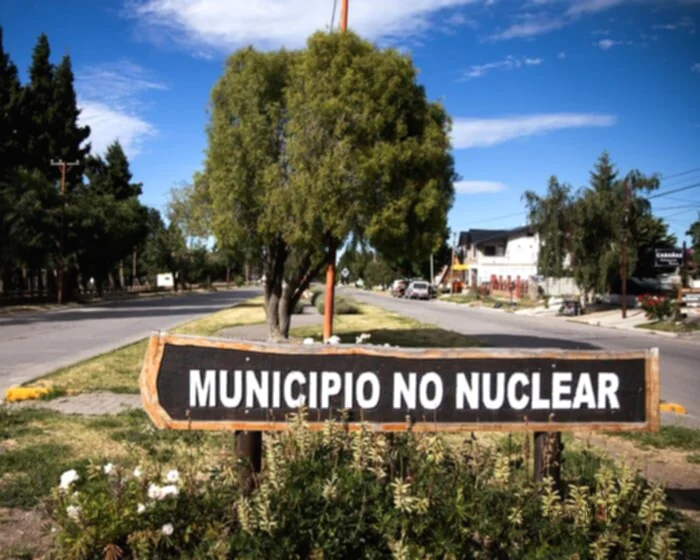
Argentina’s Nuclear Plan Faces Backlash Over US Energy Interests
Argentina’s nuclear plan backlash has become a focal point of international discourse, as recent developments have reignited concerns over geopolitical influence and energy independence. The South American nation’s ambitious nuclear energy strategy, aimed at enhancing its energy security and reducing fossil fuel dependency, is now under scrutiny due to its potential implications for US energy interests in the region. The backlash is not just confined to diplomatic circles but has also sparked debates among environmentalists, economists, and local communities.
Navigating Argentina’s Nuclear Ambitions
Argentina has long been a pioneer in nuclear technology within Latin America. The country operates several nuclear reactors and has a history of developing nuclear technology dating back to the mid-20th century. The current administration’s nuclear expansion plans are part of a broader strategy to diversify its energy sources and meet growing domestic energy demands without increasing carbon emissions. Central to these plans is the construction of new nuclear power plants, which are seen as a means to achieve greater energy self-sufficiency and to bolster the national grid.
However, these aspirations have met resistance, primarily due to the perceived encroachment on US energy interests. Critics argue that the expansion of Argentina’s nuclear capabilities could diminish the influence of US-based energy companies that are heavily invested in the region’s oil and gas sectors. This geopolitical tension is compounded by broader US concerns about nuclear proliferation and security.
Diplomatic Tensions and Energy Politics
Argentina’s nuclear plan backlash has also been fueled by diplomatic tensions between Buenos Aires and Washington. While the US has historically supported the peaceful use of nuclear energy, there is apprehension over Argentina’s collaborations with countries like China and Russia, both of which have been keen to strengthen their ties in Latin America. These partnerships are seen by some as a strategic pivot away from traditional US influence in the region.
The US government has expressed its concerns through diplomatic channels, urging Argentina to ensure that its nuclear program adheres to international safety standards and non-proliferation agreements. Meanwhile, Argentina asserts its right to pursue nuclear technology for peaceful purposes and emphasizes its commitment to international regulations. The interplay between national sovereignty and international oversight remains a delicate balancing act for the Argentine government.
Economic Implications and Public Opinion
The economic implications of Argentina’s nuclear expansion are significant. Proponents argue that nuclear energy can provide a stable and reliable power source, essential for supporting Argentina’s industrial growth and economic development. The construction of new nuclear facilities is also expected to create jobs and stimulate local economies, particularly in regions where these plants are sited.
However, public opinion is divided. Environmental groups have raised concerns about the safety and environmental impact of nuclear energy. These groups point to past incidents globally to argue for a cautious approach and advocate for investment in renewable energy sources instead. The Argentine public’s views on nuclear energy are further complicated by historical memory, as the country has experienced both the benefits and challenges of nuclear technology over the decades.
Environmental Concerns and Nuclear Safety
Environmental concerns play a crucial role in the debate over Argentina’s nuclear plan backlash. Nuclear energy, while low in carbon emissions, poses challenges related to radioactive waste management and the risk of nuclear accidents. Argentina has strived to maintain a strong safety record, and its regulatory framework is considered robust by international standards. Nonetheless, the shadow of potential disaster looms large in public consciousness.
Environmental advocates argue for a greater emphasis on renewable energy sources such as wind, solar, and hydroelectric power, which are abundant in Argentina. They contend that these alternatives present fewer risks and align better with global trends toward sustainable energy. In response, the government has sought to reassure the public by highlighting its commitment to rigorous safety protocols and transparent oversight.
Argentina’s Nuclear Plan Backlash: A Complex Web of Interests
The complexity of Argentina’s nuclear plan backlash lies in the intertwining of domestic ambitions with international dynamics. On one hand, Argentina seeks to forge a path toward energy independence and economic resilience. On the other, it must navigate a geopolitical landscape where its actions are scrutinized by powerful nations with vested interests.
The role of China and Russia in Argentina’s nuclear strategy is particularly contentious. Both countries have offered technological and financial support for nuclear projects, which has drawn criticism from the US and its allies. This collaboration is seen as part of a broader trend of increasing Chinese and Russian influence in Latin America, challenging the traditional dominance of the US in the region.
Local Communities and the Human Element
While much of the discourse surrounding Argentina’s nuclear plan backlash focuses on geopolitical and economic factors, the impact on local communities cannot be overlooked. The construction and operation of nuclear facilities affect nearby populations, who often bear the brunt of environmental and safety concerns.
Community engagement and transparency are critical to addressing these concerns. The Argentine government has initiated public consultations and educational campaigns to inform citizens about the benefits and risks associated with nuclear energy. However, skepticism persists, fueled by a lack of trust in government institutions and previous instances of industrial neglect.
The Future of Argentina’s Energy Landscape
As Argentina moves forward with its nuclear plans, the country finds itself at a crossroads. The decisions made in the coming years will shape its energy landscape for decades to come. While nuclear energy offers a pathway to reduced carbon emissions and enhanced energy security, the challenges are manifold.
Balancing the competing interests of energy independence, environmental stewardship, and geopolitical alliances requires careful consideration and strategic foresight. Argentina’s nuclear plan backlash underscores the complexity of navigating these issues in a world where energy is as much a tool of diplomacy as it is a necessity for development.