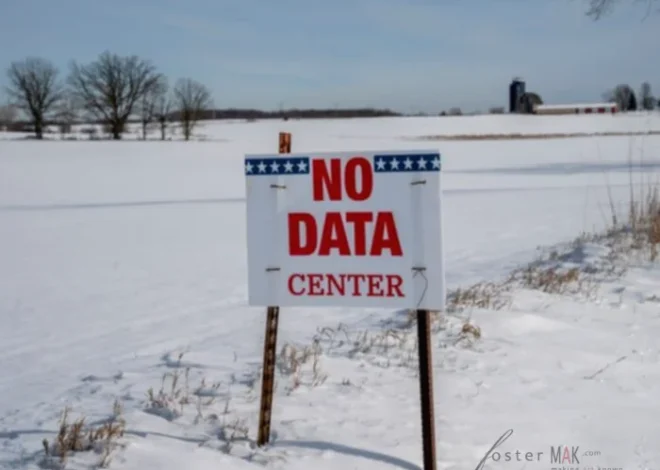
Datacenter Politics Fuel Heated North Carolina Primary Showdown
In the midst of a highly charged political landscape, the upcoming North Carolina primary has been thrust into the spotlight, with datacenter politics taking center stage. As the state prepares for this pivotal election, candidates are focusing on the economic and environmental implications of the datacenter industry, which has become a significant topic of debate. The outcome of the primary could set the tone for how North Carolina navigates its future in this rapidly evolving sector.
Rising Influence of Datacenters in North Carolina
North Carolina has emerged as a major hub for datacenters, attracting some of the world’s largest tech companies. These facilities, which house vast amounts of data and power the digital infrastructure of the modern world, have become integral to the state’s economy. Over the past decade, North Carolina has seen a surge in the construction of these massive complexes, driven by its favorable climate, relatively low energy costs, and business-friendly policies.
The establishment of datacenters has brought significant economic benefits to the state, including job creation, increased tax revenue, and technological investment. However, the rapid growth of this industry has also raised concerns about environmental impact and resource allocation. As a result, datacenter politics have become a crucial issue in the North Carolina primary, with candidates from both major parties weighing in on how best to balance economic growth with sustainability.
Candidates Clash Over Economic Benefits and Environmental Concerns
The debate over datacenter politics in the North Carolina primary has highlighted deep divisions among candidates. On one side, proponents argue that the continued expansion of datacenters is essential for maintaining the state’s competitive edge in the tech sector. They emphasize the economic benefits, noting that datacenters have the potential to attract further investment and stimulate local economies. Supporters also point to the high-paying jobs that these facilities create, which can provide a boost to rural communities struggling with economic stagnation.
Conversely, opponents of unchecked datacenter growth raise concerns about the environmental footprint of these energy-intensive facilities. The massive electricity consumption required to power and cool datacenters has drawn criticism from environmental advocates, who argue that North Carolina must prioritize sustainable development. Additionally, there are fears that the industry’s demand for water resources could strain local supplies, particularly in areas already facing drought conditions.
Datacenter Politics North Carolina Primary: A Key Battleground
As the North Carolina primary approaches, datacenter politics have become a key battleground for candidates seeking to differentiate themselves. The issue has become especially salient in regions where datacenters are most concentrated, as local communities grapple with the complex trade-offs between economic opportunity and environmental stewardship.
In western North Carolina, where several new datacenters are under development, residents have expressed mixed feelings about the industry’s impact. Some community members welcome the influx of jobs and investment, while others fear the long-term consequences of increased energy and water usage. This dichotomy has been reflected in the campaign rhetoric of candidates, who are tailoring their messages to resonate with voters’ concerns.
Policy Proposals and Legislative Agendas
Candidates in the North Carolina primary are proposing a range of policy solutions to address the challenges posed by datacenter politics. Some advocate for incentivizing renewable energy sources to power datacenters, thereby reducing their carbon footprint. This approach aligns with broader state and national efforts to combat climate change and transition to a more sustainable energy grid.
Others suggest implementing stricter regulations on water usage and waste management to mitigate the environmental impact of datacenters. These proposals aim to ensure that the industry operates responsibly and that resources are allocated in a way that benefits both the economy and the environment. However, there is also concern that overly stringent regulations could deter investment and stifle growth in the sector.
Local Communities Weigh In on the Debate
The debate over datacenter politics in the North Carolina primary has prompted local communities to engage more actively in the political process. Town hall meetings and public forums have become venues for residents to voice their opinions and hold candidates accountable. This grassroots involvement has added a layer of complexity to the election, as candidates must navigate the diverse perspectives of their constituents.
In some areas, community groups have organized to advocate for greater transparency and public input in decisions related to datacenter development. These organizations argue that local residents should have a say in how their communities are shaped by the tech industry, particularly when it comes to issues like zoning and land use. The growing influence of these groups reflects a broader trend of civic engagement and activism in response to the rapid pace of technological change.
The Role of Technology Companies in Shaping Policy
Technology companies operating datacenters in North Carolina have also become key players in the political landscape. Recognizing the importance of public perception and regulatory compliance, many companies have taken steps to demonstrate their commitment to sustainability. Initiatives such as investing in renewable energy projects and implementing energy-efficient technologies are part of a broader effort to align with community values and regulatory expectations.
However, the involvement of tech giants in datacenter politics has sparked debate over corporate influence in the political process. Critics argue that the substantial financial resources and lobbying power of these companies could skew policy discussions in their favor, potentially sidelining the concerns of local communities. This dynamic has added another layer of complexity to the North Carolina primary, as candidates must navigate the interplay between corporate interests and public accountability.
Datacenter Politics North Carolina Primary: Implications for the Future
The focus on datacenter politics in the North Carolina primary underscores the broader challenges that states face as they adapt to the digital age. As the demand for data continues to grow, so too will the need for infrastructure to support it. This reality presents both opportunities and challenges, particularly for regions seeking to balance economic development with environmental sustainability.
In North Carolina, the outcome of the primary could have far-reaching implications for the state’s approach to datacenter politics. Candidates who succeed in navigating this complex issue may find themselves well-positioned to influence future policy decisions and shape the trajectory of the industry. As voters head to the polls, the stakes are high, and the results could reverberate beyond the state’s borders, setting a precedent for how other regions address the intersection of technology and politics.