Discover How Digital Colonization of Flyover States Impacts Commu
In the age of rapid technological advancement, the term digital colonization of flyover states has emerged as an unexpected yet significant phenomenon. The American heartland, often overlooked by tech giants, is now becoming the frontier for digital expansion. This movement has both promising and challenging implications for the communities involved.
The Rise of Digital Giants in Rural America
The digital colonization of flyover states is a concept that describes how large technology companies are expanding their reach into rural and semi-urban areas of the United States. Traditionally, tech development has been concentrated in coastal cities such as San Francisco, New York, and Seattle. However, as these markets become saturated, tech companies are increasingly looking towards the Midwest and other less populated regions for growth opportunities.
These areas, often referred to as flyover states, are experiencing an influx of digital infrastructure investments. From high-speed internet to data centers, tech giants like Google, Amazon, and Facebook are building the necessary frameworks to support digital economies. The availability of cheaper land, a lower cost of living, and tax incentives make these regions attractive for expansion.
Opportunities for Local Communities
The digital colonization of flyover states brings with it a host of opportunities for local communities. One of the most significant benefits is the creation of jobs. As technology companies establish their operations, they require a local workforce to manage and maintain these facilities. This leads to job creation not only in tech-related fields but also in construction, logistics, and administration.
Furthermore, access to high-speed internet and advanced digital services enhances the quality of life for residents. Educational institutions can provide better online resources and remote learning opportunities. Healthcare providers can offer telemedicine services, greatly benefiting communities that previously had limited access to medical care.
Additionally, local businesses stand to gain from increased connectivity. E-commerce platforms can help small businesses reach a wider audience, and digital marketing tools can enhance their visibility. This digital integration can lead to economic revitalization in areas that have struggled with declining industries and population loss.
Challenges and Concerns
Despite the promising prospects, the digital colonization of flyover states is not without its challenges. One major concern is the potential for cultural disruption. The influx of technology and the accompanying changes in lifestyle may not align with the traditional values and practices of rural communities. The rapid pace of digital transformation can lead to resistance from locals who fear losing their cultural identity.
Moreover, there is the issue of digital divide. While tech companies promise widespread internet access, the reality is that many rural areas still lack reliable connectivity. Some residents are concerned that the focus on new infrastructure projects might leave them behind, further widening the gap between urban and rural communities.
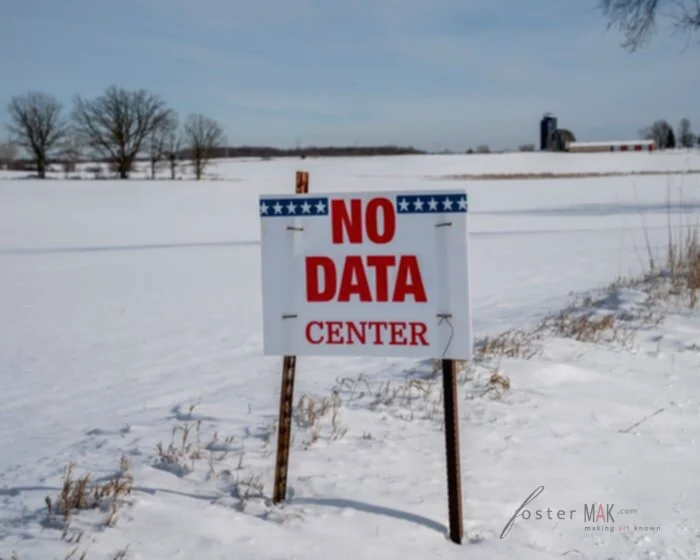
There are also environmental concerns to consider. The construction of data centers and other facilities often requires significant land and water resources. The environmental impact of these developments, coupled with the carbon footprint of running such large-scale operations, has raised alarms among environmentalists and local residents alike.
Digital Colonization of Flyover States: The Role of Policy
The digital colonization of flyover states is heavily influenced by government policies. Federal and state governments play a crucial role in facilitating or hindering this digital expansion through regulations, incentives, and infrastructure development.
Policy makers have the responsibility to ensure that the benefits of digital colonization are equitably distributed. This includes providing subsidies for internet access in remote areas, supporting digital literacy programs, and promoting sustainable practices among tech companies. By fostering a balanced approach, governments can help mitigate the potential negative impacts on local communities.
Bridging the Digital Divide
One of the key aspects of addressing the challenges of digital colonization is bridging the digital divide. Ensuring that all residents have access to high-speed internet and digital resources is essential for fostering inclusive growth. Initiatives such as public-private partnerships can play a pivotal role in achieving this goal.
Local governments can collaborate with tech companies to extend broadband networks to underserved areas. Community-based programs can offer digital literacy training to help residents develop the skills needed to thrive in a digital economy. Such efforts can empower individuals and small businesses, enabling them to participate fully in the digital landscape.
Impact on Education and Workforce Development
The impact of the digital colonization of flyover states on education and workforce development is profound. With improved internet access, schools can adopt innovative teaching methods and expand their curricula. Online courses and remote learning programs can provide students with opportunities that were previously unavailable.
For the workforce, the presence of technology companies creates new avenues for career advancement. Local colleges and vocational schools can partner with these companies to offer specialized training programs aligned with industry needs. This collaboration can help build a skilled workforce that is prepared to meet the demands of the digital age.
Digital Colonization of Flyover States: A Look at the Future
As the digital colonization of flyover states continues to unfold, it is crucial to consider the long-term implications. The integration of digital technologies into these communities is likely to reshape economic and social landscapes in significant ways.
Looking ahead, the challenge will be to balance the benefits of technological advancement with the preservation of local cultures and environments. Stakeholders, including tech companies, governments, and community leaders, must work together to create strategies that promote sustainable and inclusive growth.
The digital colonization of flyover states is a complex and multifaceted phenomenon. While it presents opportunities for economic revitalization and improved quality of life, it also poses challenges that require careful consideration and proactive solutions. As this transformation progresses, it will be vital to ensure that the voices and needs of local communities are at the forefront of the conversation.