South African Video Game Challenges Western Museums Artefact Clai
In a revolutionary development within the gaming world, a new title has emerged from the heart of South Africa, sparking international conversation about the ownership and representation of cultural artefacts. The game, which intricately weaves the narratives of South African video game artefacts, aims to challenge Western museums’ long-standing claims to cultural relics that originated in Africa. This digital initiative has not only captivated gamers but also caught the attention of historians and cultural experts worldwide.
A New Era in Digital Storytelling
The release of this South African video game marks a significant milestone in digital storytelling. Developed by a team of local creators, the game immerses players in the rich cultural tapestry of South Africa, using artefacts as central plot elements. These artefacts, depicted with meticulous attention to historical accuracy, serve as a narrative bridge between the past and present, highlighting the profound stories they embody.
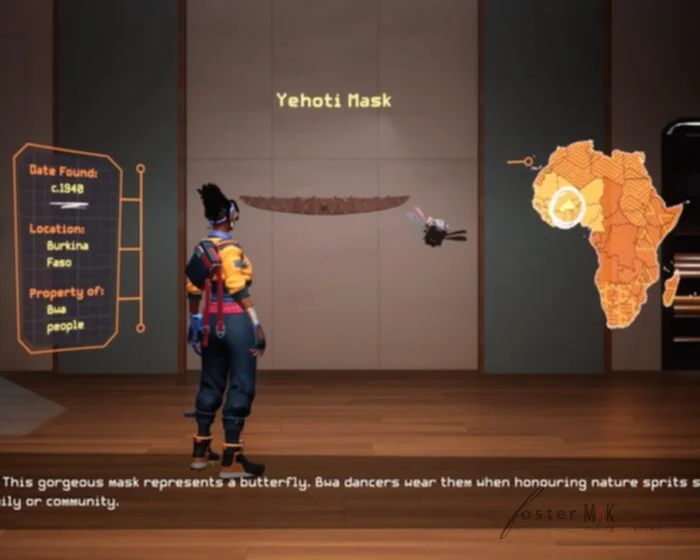
The game’s developers have taken a unique approach by integrating real-life historical artefacts into the gameplay. This decision was not merely artistic but also political. The developers aim to spotlight the ongoing debates surrounding the ownership and repatriation of cultural artefacts currently housed in Western museums. By doing so, they hope to ignite a broader conversation about cultural heritage and its rightful custodians.
The Historical Context of Artefact Repatriation
The issue of artefact repatriation is not a new one. For decades, countries in Africa, Asia, and South America have been calling for the return of cultural treasures that were taken during periods of colonization. South Africa, with its rich and complex history, is no stranger to this struggle. Many of its cultural artefacts, now residing in Western institutions, were acquired during colonial rule under circumstances that are often contested.
In this context, the South African video game artefacts serve as a digital rallying cry. The game provides an interactive platform for players to engage with the history of these artefacts, understand their significance, and question their current whereabouts. The developers have made it clear that their goal is to educate players while entertaining them, hoping to foster a deeper appreciation for South African culture and history.
South African Video Game Artefacts: A Digital Reclamation
The portrayal of South African video game artefacts in this new title is not merely a nod to history but a bold statement of cultural reclamation. The developers have painstakingly researched each artefact featured in the game, ensuring that their digital recreations are as authentic as possible. This attention to detail is crucial, as it lends credibility to the game’s narrative and reinforces its cultural message.
The game allows players to explore virtual environments that mirror the landscapes where these artefacts originally existed. Through interactive storytelling, players can experience the historical significance of each artefact and the context in which it was used. This immersive experience is designed to evoke a sense of connection with the past and highlight the importance of preserving cultural heritage.
The Impact on Western Museums
The game’s release has not gone unnoticed by Western museums, many of which house the very artefacts depicted in the game. Some institutions have expressed concern over the game’s portrayal of their collections, fearing that it could influence public opinion regarding the legitimacy of their claims. Others, however, have viewed the game as an opportunity to initiate dialogue about the complexities of cultural ownership.
In response to the game’s growing popularity, several museums have begun to reevaluate their policies on artefact repatriation. While the game itself does not propose specific solutions, it has succeeded in reigniting discussions around the ethical responsibilities of museums and the importance of acknowledging the origins of their collections.
Cultural Heritage in the Digital Age
The emergence of this South African video game represents a broader trend in the digital age: the use of technology to explore and assert cultural identity. As digital platforms become increasingly accessible, communities around the world are finding new ways to tell their stories and challenge historical narratives.
For the developers of this game, the digital medium offers a unique opportunity to reach a global audience and present South African culture in a way that is both respectful and engaging. By leveraging the power of video games, they have created a space where cultural heritage can be celebrated and preserved, even as debates over artefact ownership continue.
A Game Changer for Representation
Representation in media has long been a topic of discussion, and the gaming industry is no exception. This South African video game is a testament to the importance of diverse voices in digital storytelling. By centering the game around South African video game artefacts, the developers have provided a platform for underrepresented histories and voices to be heard.
The game’s success has also highlighted the potential for video games to serve as educational tools. In addition to entertaining players, the game offers a wealth of information about South African history, culture, and the ongoing discussions about artefact repatriation. This educational aspect has been praised by educators and cultural experts alike, who see the game as a valuable resource for teaching complex historical topics.
The Global Response
The game has received a warm reception from gamers and cultural enthusiasts around the world. Its innovative approach to storytelling and cultural representation has been lauded as a step forward for the gaming industry. Players have praised the game for its engaging narrative and the opportunity to learn about South African history in an interactive format.
International media outlets have also taken note of the game’s impact. Reviews have highlighted the game’s ability to blend entertainment with education, offering players a unique experience that is both thought-provoking and enjoyable. The game’s developers have expressed gratitude for the positive feedback and hope that their work will inspire other creators to explore similar themes in their projects.
The Future of South African Video Game Artefacts
As the game continues to gain traction, its developers are already looking to the future. They have expressed interest in expanding the game’s narrative to include more artefacts and stories from across Africa. By doing so, they hope to create a comprehensive digital archive that celebrates the continent’s diverse cultural heritage.
Additionally, the developers are exploring opportunities to collaborate with museums and cultural institutions to further enhance the game’s educational potential. These partnerships could provide players with access to even more resources and information, enriching their gaming experience and deepening their understanding of cultural heritage issues.
The success of this South African video game has demonstrated the power of digital media to challenge historical narratives and promote cultural understanding. By focusing on South African video game artefacts, the developers have sparked a global conversation about representation, ownership, and the importance of preserving cultural heritage for future generations.