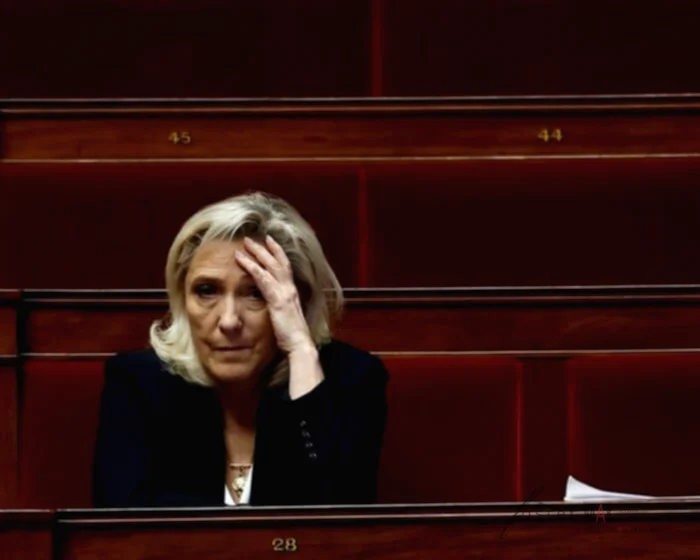
Combatting Europes National Populists A Plan to Shield the Vulner
The rise of national populism in Europe has become a significant concern for many political analysts and policymakers. The movement, which blends nationalism with populist rhetoric, often targets immigration, globalization, and the European Union’s bureaucratic framework. In combating Europe’s national populists, governments and civil society organizations are developing strategies to counteract the influence of these movements and protect vulnerable communities from their often divisive policies.
The Rise of National Populism Across the Continent
National populism has gained traction across Europe in recent years. Countries such as Hungary, Poland, Italy, and France have seen the emergence of populist parties that challenge the traditional political order. These parties often capitalize on public discontent with economic inequalities, perceived loss of cultural identity, and frustration with the European Union’s policies. The appeal of national populism lies in its ability to promise swift and decisive action to protect national sovereignty and promote the interests of native citizens.
In Hungary, Prime Minister Viktor Orbán’s Fidesz party has maintained power by combining nationalist rhetoric with populist policies. Orbán’s government has implemented measures that restrict the rights of minorities and immigrants, drawing criticism from the European Union. In Poland, the Law and Justice Party has similarly adopted a national populist stance, emphasizing traditional values and skepticism towards the EU.
Strategic Approaches to Combating Europe’s National Populists
Efforts to combat the rise of national populism involve a multifaceted approach. European governments, non-governmental organizations, and international bodies are collaborating to address the root causes of populist movements and mitigate their impact. One strategy involves promoting economic policies that reduce inequality and provide opportunities for all citizens. By addressing economic grievances, governments hope to diminish the appeal of populist rhetoric that exploits these issues.
Another approach focuses on fostering social cohesion and inclusivity. Initiatives that promote dialogue and understanding between different cultural and ethnic groups aim to counteract the divisive narratives propagated by national populists. Educational programs that emphasize critical thinking and media literacy are also essential in equipping citizens to recognize and resist populist propaganda.
The Role of the European Union in the Fight
The European Union plays a crucial role in combating Europe’s national populists by promoting policies that uphold democratic values and human rights. The EU has implemented mechanisms to monitor and address violations of the rule of law in member states, particularly those governed by populist parties. The European Commission has initiated proceedings against countries like Hungary and Poland for policies that undermine judicial independence and media freedom.
Moreover, the EU provides funding and support for projects that aim to strengthen civil society and promote democratic engagement. These initiatives are designed to empower citizens and organizations to resist populist influences and advocate for inclusive policies. By leveraging its resources and influence, the EU seeks to create a united front against the spread of national populism.
Media and Public Discourse: Shaping the Narrative
The media plays a pivotal role in shaping public perception of national populism. Journalists and media organizations are tasked with providing accurate and balanced coverage of populist movements while holding political leaders accountable for their actions. Investigative reporting that exposes corruption and abuse of power within populist parties is crucial in maintaining transparency and public trust.
Public discourse also plays a significant role in combating national populism. Civil society organizations and activists are working to create platforms for open dialogue and debate, encouraging citizens to engage critically with political issues. By fostering an informed and active citizenry, these efforts aim to create a resilient society that can withstand the allure of populist rhetoric.
Grassroots Movements: Empowering Citizens to Act
Grassroots movements are at the forefront of efforts to combat national populism in Europe. These movements often arise in response to specific policies or actions taken by populist governments. By organizing protests, campaigns, and advocacy efforts, grassroots activists aim to hold leaders accountable and push for policies that reflect the diverse interests of their communities.
One notable example is the rise of pro-democracy movements in Poland, where citizens have mobilized to oppose judicial reforms perceived as undermining the rule of law. Similarly, in Hungary, activists have organized protests against government actions that restrict media freedom and academic independence. These movements demonstrate the power of collective action in resisting populist agendas.
Combating Europe’s National Populists Through Education
Education is a vital tool in combating Europe’s national populists. By fostering critical thinking and promoting democratic values, educational institutions can help inoculate future generations against the allure of populist rhetoric. Programs that emphasize civic education and global awareness are essential in preparing students to engage constructively with complex political issues.
Moreover, universities and research institutions play a crucial role in advancing knowledge and understanding of national populism. By conducting research and disseminating findings, these institutions contribute to a more nuanced and informed public discourse. Collaborative efforts between academia, policymakers, and civil society organizations are vital in developing evidence-based strategies to counteract populist movements.
The Road Ahead: Building a Resilient Europe
As Europe grapples with the challenges posed by national populism, the importance of a coordinated and comprehensive response cannot be overstated. Efforts to combat populist movements must address the underlying social, economic, and political factors that fuel their rise. By promoting inclusivity, economic opportunity, and democratic engagement, European leaders and citizens can work together to build a society that is resilient to populist influences.
The fight against national populism is not solely the responsibility of governments and institutions. It requires the active participation of citizens, media, and civil society organizations. Through collective action and a commitment to democratic values, Europe can navigate the complexities of national populism and emerge stronger and more united.