
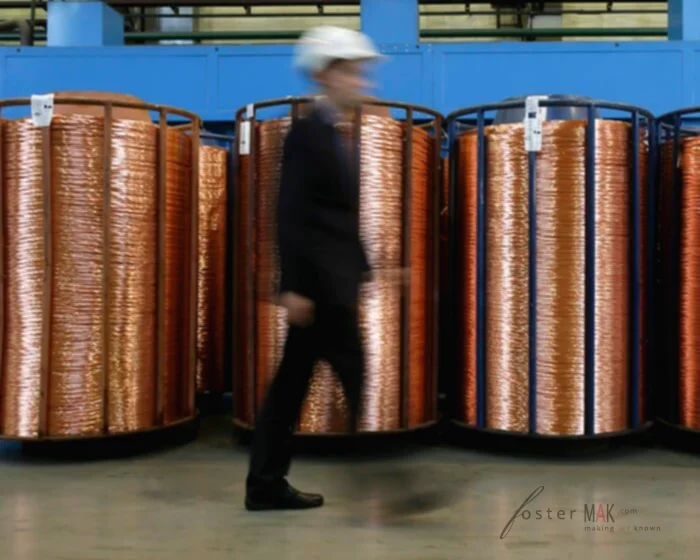
Copper Price Surges as Global Shortage Looms Large
Copper prices have been on a remarkable ascent, with the copper price on track for sustained growth according to recent market analyses. This upward trajectory is being driven by a convergence of factors including increased demand from green technologies, supply chain disruptions, and geopolitical tensions. As the world grapples with these dynamics, the implications for industries and economies reliant on this essential metal are substantial.
The Driving Forces Behind Copper’s Rising Demand
Copper is a fundamental component in a variety of industries, most notably in electrical wiring, construction, and renewable energy technologies. The push towards greener energy solutions has significantly spiked the demand for copper, as it is integral to the production of solar panels, wind turbines, and electric vehicles. The International Energy Agency has projected that the demand for copper could double by 2040 as governments worldwide implement stricter environmental regulations and invest heavily in sustainable infrastructure.
The Role of Electric Vehicles and Renewable Energy
Electric vehicles (EVs) are at the forefront of the surge in copper demand. Each EV requires significantly more copper than traditional vehicles, primarily due to the extensive wiring in electric motors, batteries, and charging infrastructure. According to the Copper Development Association, an average EV contains up to four times more copper than an internal combustion engine vehicle. As major automotive manufacturers pivot towards electric models, the strain on copper supply chains is expected to intensify.
Similarly, renewable energy sectors are contributing to the heightened demand. Wind turbines and solar panels require substantial amounts of copper for their electrical components. With countries such as China and the United States investing in expanding their renewable energy capacity, the copper market is poised to experience sustained pressure.
Copper Price on Track for Continued Growth
The copper price on track for continued growth is also influenced by supply-side challenges. The mining sector is facing significant hurdles, including labor strikes, environmental regulations, and geopolitical instability in key copper-producing regions. Chile and Peru, which together account for nearly 40% of global copper production, have experienced disruptions due to social unrest and regulatory changes aimed at increasing state revenue from mining operations.
Global Supply Chain Disruptions
The COVID-19 pandemic has further exacerbated supply chain issues, causing delays in production and transportation. Mining operations have been hampered by workforce shortages and logistical challenges, leading to reduced output. As economies recover and industries ramp up production, the gap between supply and demand is widening, putting upward pressure on prices.
In addition to pandemic-related disruptions, geopolitical factors are also playing a role. Trade tensions between major economies and resource nationalism in certain countries have created uncertainties in the copper market. These geopolitical risks are prompting companies to reconsider supply chain strategies, potentially leading to increased costs and further price hikes.
Industrial Repercussions and Economic Implications
The rising copper prices have a ripple effect across various industries. For manufacturers, higher copper costs translate to increased production expenses, which may ultimately be passed on to consumers. This could lead to inflationary pressures, particularly in sectors heavily reliant on copper-based products such as electronics and construction.
Impact on Construction and Infrastructure
The construction industry, a major consumer of copper, is already feeling the pinch. Copper is essential for electrical wiring and plumbing, and rising prices could slow down construction projects or inflate their costs. This is particularly concerning in regions where infrastructure development is crucial to economic growth.
Governments and private investors are closely monitoring these developments, as infrastructure projects often rely on stable material costs for budgeting and execution. Any significant increase in expenses could lead to delays or reevaluation of planned projects, potentially impacting economic recovery plans, especially in emerging markets.
Investment and Market Response
Investors are keenly observing the copper market, with many considering it a bellwether for global economic health. The metal’s price movements are often viewed as indicators of industrial activity due to copper’s widespread use. As a result, copper has garnered attention from both institutional and retail investors looking to capitalize on its upward trend.
Speculative Interests and Market Volatility
Speculative trading has added to the volatility in the copper market. Hedge funds and other financial entities have increased their positions in copper futures, betting on further price increases. While this speculative interest can accelerate price surges, it also introduces the risk of sudden corrections if market conditions change.
Market analysts warn of potential volatility in the months ahead as the balance between supply and demand continues to shift. Investors and companies are advised to remain vigilant and consider hedging strategies to mitigate risks associated with copper price fluctuations.
Future Prospects Amidst a Shifting Landscape
The future of copper prices remains uncertain, influenced by a complex interplay of supply constraints, rising demand, and geopolitical dynamics. While the copper price on track for continued growth paints a bullish picture, the market’s inherent volatility necessitates careful consideration by stakeholders.
Technological Innovations and Alternatives
In response to these challenges, some industries are exploring technological innovations and alternative materials to reduce copper dependency. Researchers are investigating the potential of aluminum and other metals as substitutes in certain applications. However, copper’s unique properties ensure its continued relevance in many critical industries.
The ongoing advancements in mining technologies may also play a role in addressing supply concerns. Innovations aimed at improving mining efficiency and reducing environmental impact could help stabilize supply chains in the long term.
As the world transitions towards a more sustainable future, the copper market will remain a focal point for investors, industries, and policymakers alike. The dynamics driving copper prices are emblematic of broader economic and environmental shifts, underscoring the need for strategic planning and adaptive measures in navigating this evolving landscape.