
Critical Minerals The Deadly Cost of Global Competition
In the heart of the global economy lies a struggle over critical minerals and labourers, a battle that has become both an economic necessity and a humanitarian crisis. As nations vie for dominance in the race to secure essential resources like lithium, cobalt, and rare earth elements, the hidden costs of this competition are becoming increasingly difficult to ignore. From the exploitation of workers to environmental degradation, the impacts are profound and far-reaching.
The Global Demand for Critical Minerals
As the world accelerates its transition toward renewable energy and advanced technologies, the demand for critical minerals has skyrocketed. These minerals are essential components in the production of electric vehicles, smartphones, and a myriad of other high-tech devices. Lithium and cobalt, for instance, are crucial for manufacturing rechargeable batteries, while rare earth elements are indispensable in the creation of powerful magnets used in wind turbines and electric motors.
The International Energy Agency (IEA) has reported that the demand for critical minerals could increase by as much as six times by 2040 if the world is to meet its climate goals set out in the Paris Agreement. This surge has led to a global scramble, with countries and corporations vying to secure sustainable and reliable sources of these vital materials. However, the race to satisfy this burgeoning demand has raised serious ethical and environmental concerns.
The Human Cost of Mining Operations
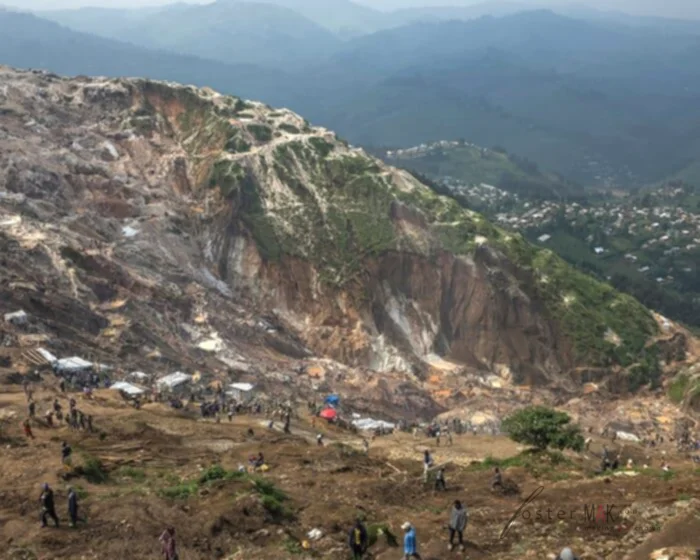
Amidst this backdrop of escalating demand, the human cost of mining operations has drawn considerable attention. Many critical minerals are sourced from regions plagued by poverty and weak governance, where labor regulations are often lax or unenforced. The Democratic Republic of Congo (DRC), which supplies over 60% of the world’s cobalt, has become emblematic of the severe labor abuses that can accompany critical mineral extraction.
Reports from human rights organizations reveal that artisanal miners, including children, work in perilous conditions for meager wages. These laborers often lack basic protective equipment and face constant risks of injury or death due to hazardous working environments. The mines themselves are frequently unregulated, leading to environmental degradation that further impoverishes local communities.
Critical Minerals and Labourers: A Double-Edged Sword
The relationship between critical minerals and labourers is complex. On one hand, mining operations can provide much-needed employment opportunities in economically depressed areas. On the other hand, the lack of adequate labor protections often results in exploitation and abuse. This duality has prompted calls for more stringent international labor standards and greater corporate accountability.
Some companies have begun to respond by implementing supply chain audits and investing in community development projects. However, critics argue that voluntary measures are insufficient to address the systemic issues at play. There is a growing consensus that only through coordinated international efforts can the rights and welfare of laborers be adequately protected.
Environmental Consequences of Critical Mineral Extraction
Beyond the human toll, the environmental impacts of critical mineral extraction are substantial. Mining activities can lead to deforestation, water pollution, and the destruction of ecosystems. In particular, the extraction of rare earth elements is associated with significant environmental degradation, as the process often involves the use of toxic chemicals that can contaminate soil and water sources.
Efforts to mitigate these effects have included the development of more sustainable mining practices and the pursuit of recycling technologies to recover critical minerals from used electronics. Nevertheless, the scale and pace of current extraction activities continue to pose serious environmental challenges.
The Geopolitical Dimension
The competition for critical minerals is not only an economic and environmental issue but also a geopolitical one. Many of the countries rich in these resources are politically unstable or subject to foreign influence, making the global supply chain for critical minerals precarious. For instance, China’s dominance in the rare earth market has raised concerns among Western nations about the vulnerability of their supply chains.
In response, countries like the United States and members of the European Union are seeking to diversify their sources of critical minerals. Initiatives include investing in domestic mining operations, forming strategic partnerships with resource-rich nations, and funding research into alternative materials. These efforts aim to reduce dependency on any single supplier and enhance supply chain resilience.
Critical Minerals and Labourers: Seeking Solutions
As the world grapples with the challenges posed by critical minerals and labourers, finding viable solutions is paramount. Policymakers, industry leaders, and civil society organizations are increasingly recognizing the need for a multifaceted approach that addresses both the demand for resources and the ethical implications of their extraction.
One proposed solution is the establishment of an international regulatory framework to govern the extraction and trade of critical minerals. Such a framework could include binding labor and environmental standards, as well as mechanisms for monitoring and enforcement. Additionally, increased investment in research and development could lead to the discovery of alternative materials or more efficient recycling methods, reducing the overall demand for newly mined resources.
Furthermore, consumer awareness and pressure can play a significant role in driving change. By demanding greater transparency in supply chains and supporting companies that adhere to ethical sourcing practices, consumers can help incentivize more responsible behavior within the industry.
In conclusion, the issue of critical minerals and labourers is a complex and multifaceted challenge that requires concerted efforts from all stakeholders. As the world continues to navigate the transition to a more sustainable and technologically advanced future, ensuring that this progress is not achieved at the expense of human rights and environmental integrity is a task of critical importance. The stakes are high, and the costs are too significant to ignore.