
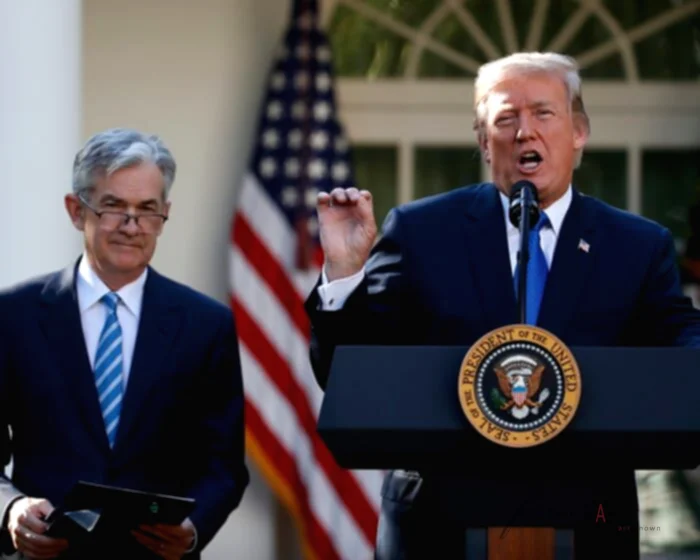
Jerome Powell Investigation Trump’s Quest for Unrestricted Author
In a political landscape where tensions run high and stakes are ever-increasing, the Jerome Powell investigation has emerged as a significant focal point. This investigation delves into the intricacies of Federal Reserve operations and the broader impact on economic policy. As the inquiry unfolds, it draws attention to the delicate balance of power and the autonomy of federal institutions. Understanding the context and implications of this investigation is vital for grasping its potential consequences on the nation’s economic fabric.
The Genesis of the Investigation
The Jerome Powell investigation finds its roots in the complex relationship between the Federal Reserve and the executive branch. Appointed by former President Donald Trump in 2018, Jerome Powell’s tenure as the Chair of the Federal Reserve has been marked by a series of economic challenges. From fluctuating interest rates to the economic fallout from the COVID-19 pandemic, Powell’s leadership has been under scrutiny.
The investigation was initiated in response to concerns over potential interference in the Federal Reserve’s decision-making process. Allegations suggest that there may have been attempts to influence monetary policy decisions to align with certain political agendas. This poses a critical question about the independence of the Federal Reserve and whether its actions are being swayed by external pressures.
Exploring the Allegations
At the heart of the Jerome Powell investigation are the allegations of undue influence exerted by the Trump administration. These claims are not entirely unprecedented, as tensions between the Federal Reserve and the executive branch have surfaced in previous administrations. However, the nature and extent of these alleged interventions have raised eyebrows across political and economic spheres.
Sources close to the investigation have indicated that there were instances where Powell faced pressure to alter interest rates to support specific economic goals. The former President was notably vocal in his dissatisfaction with the Federal Reserve’s policies during his tenure, often taking to social media to express his views. This public discourse fueled speculation about potential behind-the-scenes efforts to sway the Fed’s decisions.
The Role of the Federal Reserve
Understanding the significance of the Jerome Powell investigation requires a closer look at the role of the Federal Reserve within the United States’ economic framework. Established in 1913, the Federal Reserve acts as the nation’s central bank, tasked with maintaining economic stability and regulating monetary policy. Its mandate includes controlling inflation, managing employment levels, and ensuring the overall health of the financial system.
The independence of the Federal Reserve is a cornerstone of its operations, allowing it to make decisions based on economic data without undue political influence. This independence is crucial for maintaining investor confidence and ensuring that monetary policy aligns with long-term economic goals rather than short-term political gains.
Political Ramifications
The Jerome Powell investigation carries significant political ramifications, extending beyond the realm of monetary policy. It highlights the intricate dance between economic governance and political oversight, raising questions about the boundaries of executive influence. The investigation’s outcome could set a precedent for future interactions between the Federal Reserve and the executive branch.
Critics of the investigation argue that it risks undermining the credibility of the Federal Reserve, potentially leading to increased market volatility. On the other hand, proponents emphasize the need for transparency and accountability, asserting that no institution should operate free from scrutiny.
Economic Implications
Beyond the political sphere, the Jerome Powell investigation holds profound economic implications. The Federal Reserve’s decisions have a direct impact on financial markets, affecting everything from interest rates to employment levels. Any perceived interference in its operations could erode investor confidence and disrupt economic stability.
The investigation’s findings may influence future monetary policy decisions, potentially altering the course of interest rates and inflation targets. Market participants are closely monitoring the situation, anticipating potential shifts in the Federal Reserve’s approach to economic challenges.
Public Perception and Media Coverage
The Jerome Powell investigation has captured the attention of both the public and the media, sparking debates about accountability and transparency within federal institutions. Media coverage has been extensive, with outlets dissecting the nuances of the investigation and its potential ramifications.
Public perception varies, with some viewing the investigation as a necessary step in ensuring institutional integrity, while others see it as a politically motivated maneuver. The discourse surrounding the investigation reflects broader societal concerns about governance and the balance of power.
The Broader Context
To fully grasp the significance of the Jerome Powell investigation, it is essential to consider it within the broader context of U.S. economic policy. The Federal Reserve operates within a complex ecosystem of economic indicators, global market trends, and geopolitical influences. Its decisions ripple through the economy, affecting everything from consumer spending to corporate investment.
The investigation’s timing is particularly noteworthy, occurring amid ongoing debates about the role of government in economic recovery. As policymakers grapple with issues such as inflation and unemployment, the investigation adds another layer of complexity to an already intricate landscape.
Looking Ahead
As the Jerome Powell investigation unfolds, its outcomes remain uncertain. The inquiry raises important questions about the independence and accountability of federal institutions, prompting a reevaluation of the balance between political oversight and economic governance. The investigation’s findings could shape the future of monetary policy, influencing how the Federal Reserve navigates the challenges and opportunities of the evolving economic landscape.
Stakeholders across the political and economic spectrum are closely watching the proceedings, aware of the potential ramifications for both domestic and international markets. The investigation serves as a reminder of the delicate interplay between economic policy and political influence, highlighting the need for vigilance in safeguarding the integrity of key institutions.