
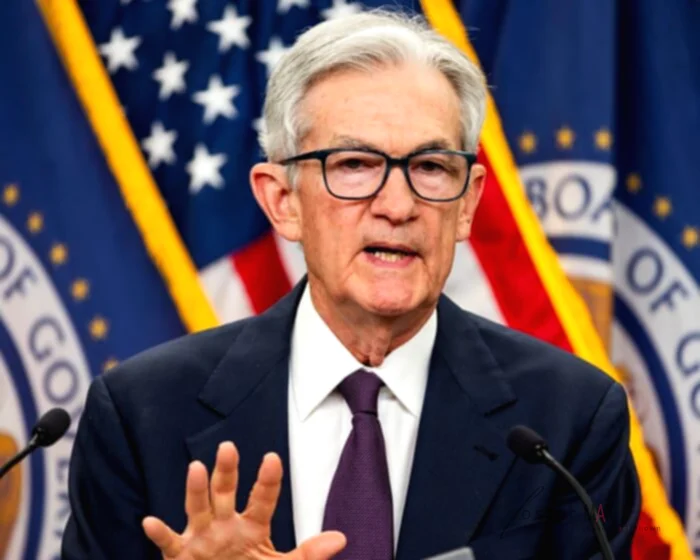
Jerome Powell A Steely Fed Chair Defying Trumps Pressure on Rates
In the ever-evolving landscape of the U.S. economy, few positions wield as much influence as that of the Federal Reserve Chair. Jerome Powell, the current chair, is often described as a steely Fed chair who has consistently maintained his independence against external pressures, particularly from former President Donald Trump. Powell’s tenure has been marked by a commitment to policy over politics, ensuring that the Federal Reserve’s decisions are based on economic indicators rather than political expedience.
The Challenges of Leading the Fed
Jerome Powell assumed the role of Federal Reserve Chair in February 2018. His appointment came during a period of economic growth but was soon challenged by a range of economic uncertainties. The role of the Fed chair is not just to manage the U.S. monetary policy but also to communicate effectively with the public and maintain the credibility of the institution. Powell’s leadership style has been characterized by resilience and an unwavering focus on the mandate of the Federal Reserve, which includes promoting maximum employment, stabilizing prices, and moderating long-term interest rates.
Powell’s approach has often been described as pragmatic and measured. He has emphasized data-driven decisions, often reiterating the importance of analyzing economic indicators to guide policy actions. This methodical approach has been crucial in navigating the complexities of the global economy, especially during times of uncertainty such as the trade tensions with China and the onset of the COVID-19 pandemic.
Jerome Powell Steely Fed Chair Faces Presidential Pressure
One of the defining moments of Jerome Powell’s tenure has been his relationship with former President Donald Trump. Trump was notably vocal about his dissatisfaction with the Federal Reserve’s interest rate policies, often expressing his desire for lower rates to spur economic growth. Despite the pressure, Powell maintained the independence of the Federal Reserve, emphasizing that decisions would be based on economic data and not political influence.
The Federal Reserve’s autonomy is crucial for maintaining the stability and credibility of the U.S. financial system. Powell’s ability to resist political pressures and focus on the Fed’s dual mandate demonstrated his commitment to the institution’s independence. This steely resolve was particularly evident during the period when Trump publicly criticized Powell, referring to him as an
enemy
and expressing regret in appointing him. Despite these attacks, Powell remained focused on the economic objectives, reiterating that the Federal Reserve’s decisions would be dictated by economic conditions rather than political rhetoric.
Economic Policy Amidst Global Challenges
Under Powell’s leadership, the Federal Reserve has been tasked with navigating a series of global economic challenges. The trade war with China, initiated during Trump’s presidency, posed significant risks to global economic stability. Powell’s response was one of caution and vigilance, closely monitoring the impacts of tariffs and trade negotiations on the U.S. economy. The Fed’s decisions during this period reflected a balance between supporting economic growth and mitigating potential risks associated with escalating trade tensions.
The onset of the COVID-19 pandemic presented another formidable challenge. The economic fallout from the pandemic required swift and decisive action from the Federal Reserve. Powell, along with the Federal Open Market Committee, moved quickly to cut interest rates to near zero and implemented a series of measures to support the economy. These actions included quantitative easing and emergency lending programs designed to stabilize financial markets and support businesses and households.
Powell’s leadership during the pandemic has been widely regarded as effective, with the Federal Reserve playing a crucial role in mitigating the economic impact of the crisis. The measures implemented under his guidance helped to avert a deeper recession and set the stage for a gradual economic recovery.
Communication and Transparency in the Fed’s Approach
A key aspect of Powell’s tenure has been his emphasis on communication and transparency. Recognizing the importance of clear communication in managing market expectations, Powell has sought to make the Federal Reserve’s policy decisions more accessible and understandable to the public. This is evident in the increased number of press conferences and public engagements aimed at explaining the Fed’s actions and the rationale behind them.
Powell has also prioritized transparency in the Federal Reserve’s operations, acknowledging the role of clear communication in maintaining public trust. His efforts to demystify monetary policy and engage with a broader audience have helped to enhance the Federal Reserve’s credibility and foster a better understanding of its objectives and challenges.
Jerome Powell Steely Fed Chair Navigates the Future
As the U.S. economy continues to recover from the effects of the pandemic, Powell’s role as a steely Fed chair remains critical. The path to recovery is fraught with uncertainties, including inflationary pressures, labor market dynamics, and global economic shifts. Powell’s approach, characterized by a commitment to data-driven decisions and a focus on the Fed’s mandate, will be essential in navigating these challenges.
The question of interest rates remains a focal point of Powell’s tenure. As the economy shows signs of recovery, the Federal Reserve faces the delicate task of balancing the need to support economic growth with the risk of inflation. Powell has indicated that while the Fed is prepared to adjust policy as needed, any changes will be gradual and based on a comprehensive assessment of economic conditions.
The Legacy of Independence and Steadfast Leadership
Jerome Powell’s tenure as Federal Reserve Chair is a testament to the importance of independence and steadfast leadership in economic governance. His ability to maintain the autonomy of the Federal Reserve amidst political pressures and global challenges underscores the critical role of the institution in safeguarding the stability and credibility of the U.S. financial system.
Powell’s leadership has been marked by a commitment to transparency, effective communication, and data-driven decision-making. As he continues to guide the Federal Reserve through a complex economic landscape, his legacy will be defined by his ability to uphold the principles of independence and resilience that are essential to the institution’s mission.
In the face of ongoing economic challenges and uncertainties, Jerome Powell’s steady hand and unwavering focus on the Federal Reserve’s mandate will continue to play a pivotal role in shaping the future of U.S. monetary policy. His tenure serves as a reminder of the importance of maintaining the integrity and independence of economic institutions in an ever-changing world.