
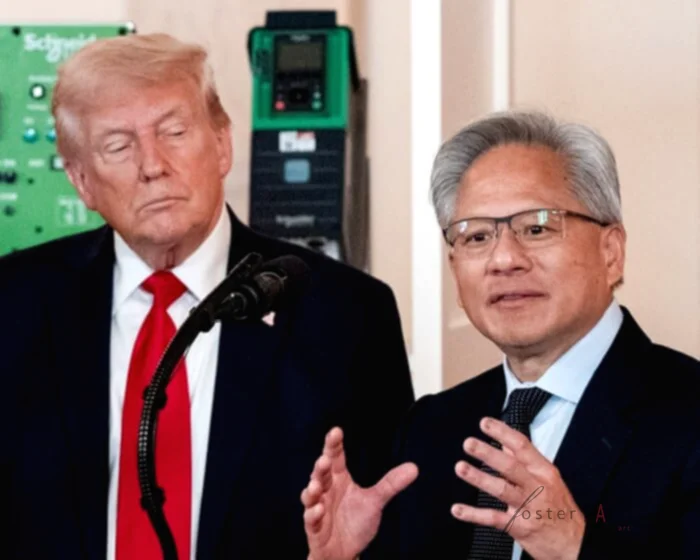
Nvidia to Sell AI Chips to China Amid Trump’s Surprising Approval
In a move that has caught many by surprise, Nvidia is set to sell AI chips to China, a decision that has received an unexpected nod from former President Donald Trump. This development could have significant implications for both the tech industry and geopolitical relations between the United States and China. Nvidia, a leading player in the field of artificial intelligence and graphics processing units, is poised to expand its market reach in a region that has been the focus of intense technological competition.
Trump’s Unanticipated Endorsement
Former President Donald Trump, known for his stringent policies toward China during his tenure, has given a surprising approval to Nvidia’s decision. During his administration, Trump was instrumental in implementing tariffs and other restrictions on Chinese technology companies, citing national security concerns. His endorsement of Nvidia’s move marks a notable shift in his stance, sparking discussions among political analysts and industry experts.
Trump’s unexpected support for the deal may be influenced by several factors. Analysts suggest that it could be an acknowledgment of the importance of maintaining strong commercial ties with China, even in the face of geopolitical tensions. Others speculate that it might be a strategic move to demonstrate flexibility and adaptability in his post-presidency public engagements.
Nvidia to Sell AI Chips to China: A Strategic Business Decision
For Nvidia, the decision to sell AI chips to China is a calculated business strategy aimed at tapping into one of the largest and fastest-growing markets for technology. China’s demand for advanced AI technology is on the rise, driven by its ambitious plans to become a global leader in artificial intelligence by 2030. Nvidia’s AI chips, known for their performance and efficiency, are well-suited to meet the needs of Chinese tech companies and research institutions.
This business decision aligns with Nvidia’s broader strategy to expand its global footprint and solidify its position as a dominant player in the AI industry. By entering the Chinese market, Nvidia is not only opening new revenue streams but also positioning itself to influence the future direction of AI development in China.
Navigating Regulatory Challenges
Selling AI chips to China is not without its challenges. Nvidia must navigate a complex web of regulatory requirements and potential political hurdles. The U.S. government has imposed strict export controls on certain high-tech components, including AI chips, to prevent them from being used for military purposes or in ways that could threaten national security.
Nvidia’s management is reportedly working closely with legal and regulatory experts to ensure full compliance with U.S. export laws. The company is also said to be engaging in discussions with Chinese officials to address any concerns and facilitate a smooth entry into the market. These efforts are crucial for mitigating risks and ensuring that the deal does not encounter significant roadblocks.
Implications for the Global Tech Industry
The decision by Nvidia to sell AI chips to China has broader implications for the global tech industry. It underscores the growing interdependence between American and Chinese technology sectors, despite ongoing trade tensions. This move could set a precedent for other U.S. tech companies looking to expand their operations in China.
Moreover, the deal highlights the competitive landscape of the AI industry, where companies are increasingly seeking to leverage international markets to gain a competitive edge. The potential success of Nvidia’s venture into China could encourage other tech firms to explore similar opportunities, thereby intensifying competition and innovation in the sector.
Nvidia to Sell AI Chips to China: Economic and Technological Impact
The economic impact of Nvidia’s decision to sell AI chips to China is significant. It represents a potential boost to Nvidia’s revenue and profitability, as well as an opportunity to strengthen its market position in Asia. For China, access to advanced AI technology from Nvidia could accelerate its efforts to enhance its technological capabilities and drive economic growth.
Technologically, the availability of Nvidia’s AI chips in China could lead to advancements in various domains, including healthcare, automotive, and smart cities. Chinese companies and researchers could leverage these chips to develop cutting-edge AI applications, fostering innovation and potentially reshaping industries.
Challenges and Opportunities Ahead
While Nvidia’s entry into the Chinese market presents numerous opportunities, it also poses challenges that the company must address. Competing against established local players and navigating the intricacies of the Chinese business environment requires careful planning and execution.
Nvidia is likely to face competition from Chinese tech giants such as Huawei and Alibaba, which have been investing heavily in AI research and development. To succeed, Nvidia will need to differentiate its offerings and build strong partnerships with local companies and institutions.
Furthermore, Nvidia must remain vigilant in monitoring geopolitical developments that could impact its operations in China. Changes in trade policies or diplomatic relations between the U.S. and China could affect the business landscape and necessitate strategic adjustments.
Nvidia’s Vision for the Future
Nvidia’s decision to sell AI chips to China reflects its vision for the future of the AI industry. The company is committed to advancing AI technology and making it accessible to a global audience. By entering the Chinese market, Nvidia aims to play a pivotal role in shaping the future of AI and contributing to technological progress on a global scale.
As Nvidia embarks on this new chapter, the tech industry and geopolitical observers will be closely watching the developments. The outcome of this venture could have far-reaching implications, influencing the trajectory of AI development and international relations in the years to come.