
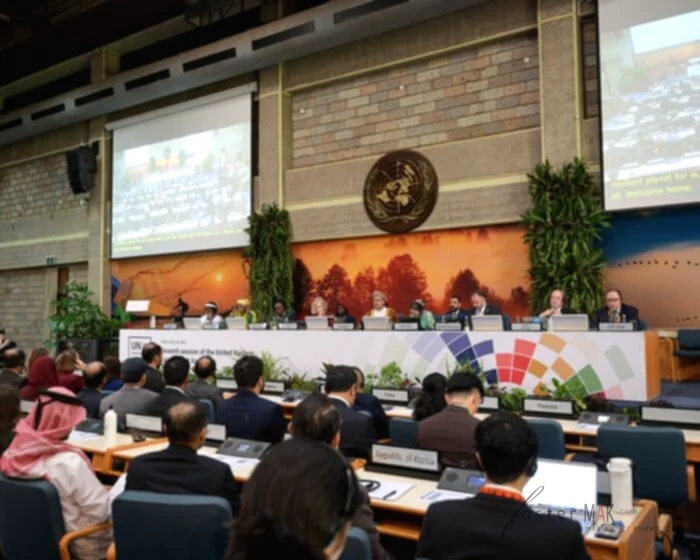
Africa Raises Concerns Over Risky Solar Geoengineering Methods
Amid mounting climate change challenges, the topic of solar geoengineering and Africa has sparked significant debate across the continent. As global temperatures continue to rise, the urgent quest for innovative solutions has led some to consider solar geoengineering as a potential tool to combat climate change. However, African nations are voicing their concerns over the potential risks and implications associated with these methods.
Growing Interest in Solar Geoengineering
Solar geoengineering involves techniques designed to reflect a small percentage of the sun’s rays back into space with the aim of cooling the Earth. These methods are gaining attention as scientists and policymakers search for ways to mitigate the impacts of climate change. The most discussed technique involves the injection of aerosols into the stratosphere, which could theoretically create a reflective shield against solar radiation.
Proponents argue that solar geoengineering could provide a rapid response to global warming, buying time for societies to transition to more sustainable energy sources. This urgency is particularly felt in regions like Africa, where climate change impacts such as droughts, floods, and extreme weather events are becoming more frequent and severe.
African Nations Call for Caution
Despite the potential benefits touted by some experts, many African nations are approaching solar geoengineering with caution. Concerns are being raised about the potential unintended consequences that could arise from manipulating the Earth’s climate system. These include disruptions to weather patterns, negative impacts on agriculture, and the potential for geopolitical tensions over who controls and benefits from such technologies.
African leaders are particularly worried about the lack of representation and voice for developing countries in international discussions on solar geoengineering. This has prompted calls for more inclusive dialogue and decision-making processes that consider the unique vulnerabilities and perspectives of African nations.
Solar Geoengineering and Africa: Weighing the Risks
The intersection of solar geoengineering and Africa raises critical questions about environmental justice and equity. Critics argue that the continent, which is among the least responsible for historical greenhouse gas emissions, could disproportionately suffer from the adverse effects of solar geoengineering. For instance, changes in precipitation patterns could exacerbate existing water scarcity issues in some regions.
Moreover, there is concern that reliance on solar geoengineering could divert attention and resources away from more sustainable and equitable climate solutions. African countries emphasize the importance of addressing root causes of climate change, such as reducing emissions and promoting renewable energy, rather than relying on potentially risky technological fixes.
Local Communities Express Concern
Local communities across Africa are also expressing skepticism over solar geoengineering initiatives. Many feel that the potential risks have not been thoroughly communicated or understood at the grassroots level. There is a fear that decisions made by a few powerful countries or organizations could have far-reaching and detrimental impacts on local livelihoods and ecosystems.
Community leaders are advocating for greater transparency and public engagement in discussions about solar geoengineering. They stress the need for research and decision-making processes that prioritize the voices and knowledge of those who are most likely to be affected by these technologies.
Navigating the Uncertainties of Geoengineering
The scientific community remains divided on the feasibility and safety of solar geoengineering. While some researchers believe in its potential to be a valuable tool in the climate change arsenal, others caution that the technology is still in its infancy and requires much more research before any large-scale deployment can be considered.
In Africa, there is a call for increased investment in scientific research and capacity building to ensure that the continent is equipped to assess and respond to the potential impacts of solar geoengineering. This includes developing regional climate models, conducting risk assessments, and exploring alternative solutions that align with African priorities and values.
International Collaboration and Governance
The global nature of solar geoengineering necessitates robust international collaboration and governance structures. African nations are advocating for a framework that ensures transparency, accountability, and equitable participation in decision-making processes. This includes establishing mechanisms for monitoring and evaluating the impacts of geoengineering technologies and ensuring that any deployment is guided by ethical considerations.
Efforts are underway to develop international treaties or agreements that regulate the research and potential deployment of solar geoengineering. African countries are emphasizing the need for such frameworks to be inclusive and to reflect the interests and concerns of all nations, particularly those most vulnerable to climate change impacts.
The Path Forward for Sustainable Solutions
As the debate around solar geoengineering and Africa continues, there is a growing consensus that any consideration of these technologies must be accompanied by a commitment to sustainable development and climate justice. African leaders are calling for a holistic approach that prioritizes resilience-building, adaptation, and the transition to renewable energy sources.
Investments in green infrastructure, climate-smart agriculture, and community-based adaptation strategies are seen as critical components of Africa’s response to climate change. By focusing on these areas, African nations aim to build a more sustainable and equitable future for their citizens.
Conclusion
The discussion on solar geoengineering and Africa is a complex and evolving one, highlighting the need for careful consideration of the risks and benefits associated with such technologies. As the continent navigates the challenges posed by climate change, African nations are advocating for solutions that are inclusive, equitable, and aligned with their development priorities.