Why US Refineries Are Drawn to Dense Venezuelan Crude Oils Unique
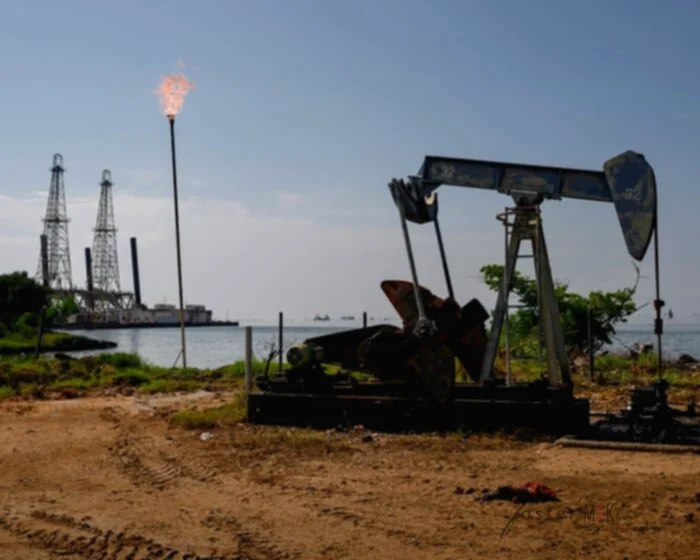
In a world where energy resources are constantly being reevaluated for their economic and environmental impacts, Venezuelan crude oil appeals to US refineries for several compelling reasons. Despite geopolitical tensions and longstanding sanctions, the dense and sulfur-rich crude from Venezuela is finding its way back into the conversation among American energy producers. This development signals a potential shift in the global oil market and raises questions about the future of US energy strategies.
The Unique Composition of Venezuelan Crude
Venezuelan crude oil is known for its heavy and sulfur-laden composition. Unlike the light, sweet crude produced in parts of the United States such as West Texas, Venezuelan oil is dense and viscous. This unique composition makes it a challenge to refine, but it also presents certain advantages that US refineries are eager to capitalize on.
The high sulfur content and density of Venezuelan crude are ideally suited for the production of specific products such as diesel and jet fuel. These products are in high demand due to increasing transportation needs and the recovery of global travel. Moreover, US refineries along the Gulf Coast are specifically equipped to handle heavy crude, making Venezuelan oil a perfect fit for their operations.
Economic and Strategic Considerations
The appeal of Venezuelan crude oil to US refineries is not just about its chemical properties. There are significant economic and strategic considerations at play. With global oil prices fluctuating and the demand for energy diversifying, refineries are constantly seeking cost-effective sources of crude that can be processed efficiently.
Venezuelan crude, often sold at a discount due to its heavier nature, provides an economic advantage to US refineries that have the capability to process it. This cost-effectiveness is particularly appealing at a time when refineries are looking to maximize profit margins amid competitive market conditions.
Strategically, sourcing oil from Venezuela could reduce US reliance on other foreign oil imports, diversifying supply chains and potentially stabilizing the domestic market. This move could also serve to reestablish diplomatic channels and foster a more cooperative relationship between the United States and Venezuela, although such developments would depend on broader geopolitical dynamics.
Geopolitical Implications and Sanctions
The geopolitical landscape adds another layer to the discussion of why Venezuelan crude oil appeals to US refineries. The relationship between the United States and Venezuela has been strained for years, primarily due to political differences and US sanctions aimed at the Venezuelan government.
These sanctions have historically limited American access to Venezuelan oil. However, recent diplomatic talks hint at a possible easing of these restrictions. Should this occur, it could open the door for US refineries to import Venezuelan crude more freely, potentially reshaping the oil import landscape.
The potential for such a shift raises questions about the impact on Venezuela’s economy, which is heavily dependent on oil exports. It also brings to light the broader implications for the global oil market, as Venezuelan crude represents a substantial yet underutilized energy resource.
Technical Challenges and Refinery Capabilities
While Venezuelan crude oil appeals to US refineries, the technical challenges associated with refining this type of oil cannot be overlooked. The dense, sulfur-rich nature of Venezuelan crude requires specialized equipment and processes to refine effectively.
US refineries, particularly those located along the Gulf Coast, are among the few in the world equipped to handle such heavy crude. These refineries have invested in advanced technologies that can break down the complex hydrocarbons present in Venezuelan oil, transforming them into valuable products.
Moreover, the experience and expertise of US refinery workers in handling heavy crude give them a competitive edge. This capability allows them to extract maximum value from each barrel of Venezuelan oil, further enhancing its appeal.
Environmental Considerations and Regulatory Challenges
As the energy sector faces increasing scrutiny over environmental impacts, the refining of heavy crude such as that from Venezuela comes with regulatory challenges. The refining process for dense crude is more intensive and can result in higher emissions compared to lighter oils.
This reality necessitates the implementation of stringent environmental controls and compliance with regulations aimed at minimizing pollution. US refineries are under pressure to adopt greener technologies and practices, which could impact the feasibility and desirability of processing Venezuelan crude.
Additionally, the environmental footprint of transporting oil from Venezuela to the United States must be considered. Tanker emissions and the potential for spills pose risks that must be mitigated to align with environmental standards and public expectations.
The Future of Venezuelan Crude in the US Market
The question of how Venezuelan crude oil appeals to US refineries ties into the broader conversation about the future of the US energy market. As the world shifts towards sustainable energy sources, the role of traditional fossil fuels like Venezuelan crude is being reevaluated.
US refineries may find themselves balancing the economic benefits of processing heavy crude with the need to innovate and transition towards cleaner energy solutions. This balancing act will likely shape the strategies of refineries as they navigate the evolving energy landscape.
In conclusion, the lure of Venezuelan crude oil to US refineries is multifaceted, encompassing economic, technical, and geopolitical dimensions. As discussions continue and the global energy market evolves, the role of Venezuelan oil in the US refinery sector will remain a topic of significant interest and strategic importance.