
Manchester Museums Quest Unveiling African Collections Hidden His
In the heart of Manchester, a fascinating journey into the past is underway as curators and historians strive to uncover the African collection hidden histories within the city’s esteemed museums. This initiative aims to shine a light on the untold stories behind the artifacts that have long been part of the museum’s collection but have remained obscure to the public and even to the institutions themselves. As Manchester takes on this ambitious project, it reflects a broader movement within the museum world to confront colonial legacies and enhance cultural understanding.
A Journey into the Past
The project began as a collaboration between several of Manchester’s most prominent museums including the Manchester Museum and the Whitworth Art Gallery. Recognizing the wealth of African artifacts in their possession, these institutions embarked on a mission to delve deeper into the origins and histories of these items. The goal is not only to preserve these narratives but also to present them in a way that is accessible and engaging to a contemporary audience. This endeavor is as much about education and enlightenment as it is about historical preservation.
Unearthing the Stories of Artifacts
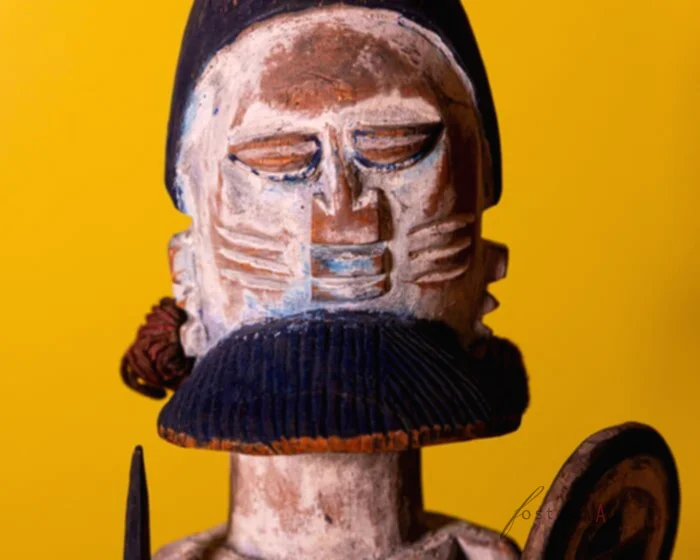
The artifacts in question span a wide range of categories including textiles, sculptures, and ceremonial objects, each with a unique story to tell. Many of these items were acquired during the colonial era, a period marked by significant cultural and power imbalances. As such, they often arrived in Manchester without comprehensive documentation or context. Through painstaking research, museum curators are now piecing together the stories behind these objects, consulting historical records and collaborating with scholars and communities from Africa to gain deeper insights.
The Role of Technology in Discovery
In the quest to unveil these hidden histories, technology has played a pivotal role. The use of digital databases and advanced imaging techniques has allowed researchers to analyze the artifacts in new ways. For instance, non-invasive imaging methods can reveal hidden inscriptions or details that are not visible to the naked eye. Additionally, digital platforms enable the museums to share their findings with a global audience, fostering international dialogue and collaboration. This technological approach not only aids in discovery but also enhances the capacity for storytelling.
African Collection Hidden Histories: A Community-Centric Approach
Central to this initiative is the involvement of African communities both within the UK and abroad. Museums have sought to engage with these communities to ensure that the narratives being uncovered and shared are authentic and respectful. This has led to the formation of advisory panels composed of community leaders, historians, and artists who provide valuable insights and perspectives. By prioritizing these voices, the museums aim to create a more inclusive narrative that acknowledges the complex histories associated with the artifacts.
Bridging Past and Present through Exhibitions
Exhibitions play a crucial role in bringing the stories of these artifacts to the public. The Manchester Museum, for example, has curated a series of exhibitions that not only display the artifacts but also contextualize them within their historical and cultural frameworks. Interactive displays, augmented reality experiences, and multimedia presentations are employed to engage visitors and encourage them to explore the broader themes of colonialism, cultural exchange, and identity. These exhibitions serve as a bridge connecting the past with present-day discussions on heritage and representation.
Challenges in Rewriting History
Despite the progress being made, the process of uncovering and sharing these hidden histories is fraught with challenges. One major hurdle is the incomplete or biased records that often accompany colonial-era acquisitions. Many artifacts were documented through a colonial lens, which can obscure or misrepresent their true significance. This necessitates a critical examination of existing narratives and a willingness to challenge long-held assumptions. Another challenge lies in the ethical considerations of displaying artifacts that may have been acquired under dubious circumstances. Museums must navigate these complexities with sensitivity and transparency.
The Impact on Cultural Understanding
As these hidden histories come to light, they have the potential to reshape cultural understanding within Manchester and beyond. By acknowledging and addressing the colonial past, museums can foster a more nuanced appreciation of cultural diversity and heritage. This initiative also serves as a model for other institutions grappling with similar issues, demonstrating the importance of accountability and inclusivity in curatorial practices. Furthermore, it highlights the role of museums as active participants in societal discourse rather than passive keepers of history.
Looking Ahead: The Future of Museum Curation
The efforts to unveil African collection hidden histories are part of a broader trend toward more inclusive and dynamic museum curation. As institutions continue to evolve, there is a growing recognition of the need to engage diverse audiences and present multifaceted perspectives. This requires an ongoing commitment to research, collaboration, and innovation. Future projects may expand beyond African collections to explore other underrepresented narratives, ensuring that museums remain relevant and responsive to the needs of their communities.
Educating the Next Generation
An integral component of this initiative is education. By incorporating these hidden histories into educational programs and outreach initiatives, museums can inspire the next generation of historians, curators, and cultural leaders. School partnerships, workshops, and public lectures are among the strategies employed to disseminate knowledge and encourage critical thinking. These efforts aim to empower young people to explore and appreciate the rich tapestry of global cultures and histories.
A Transformative Journey
The quest to uncover African collection hidden histories is transformative not only for the museums involved but also for the wider community. It represents a shift towards a more inclusive and equitable approach to cultural heritage, one that values diverse perspectives and strives for historical accuracy. As Manchester continues this journey, it sets a precedent for other cities and institutions, challenging them to reflect on their own collections and the stories they tell.