Divided Syria Struggles to Break Free from Endless Violence
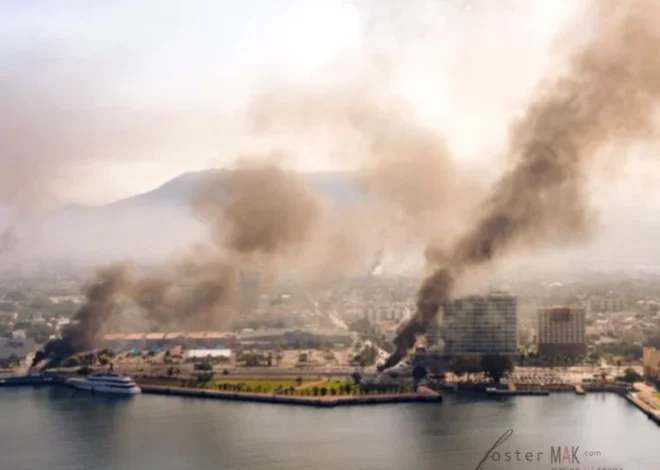
In the turbulent landscape of the Middle East, the narrative of Assads Fall and Divided Syria remains a poignant symbol of a nation torn by war and political strife. Over a decade of conflict has left Syria fragmented, with various factions competing for power in a region marked by historical complexity and enduring suffering. As international attention waxes and wanes, the Syrian people continue to endure the consequences of a protracted war that has reshaped the geopolitical dynamics of the region.
The Genesis of Conflict
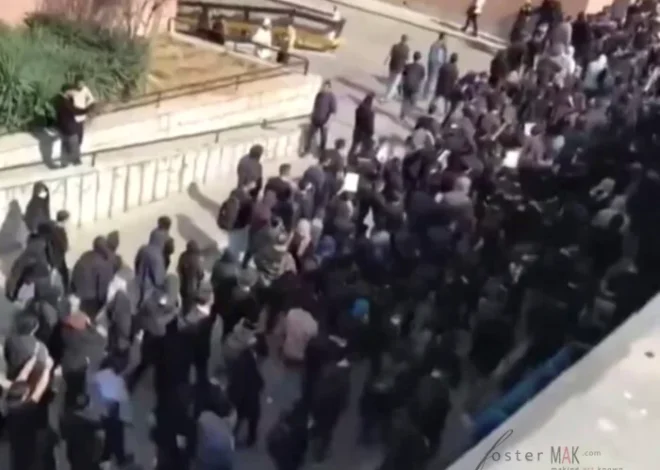
The Syrian civil war, now stretching beyond twelve years, began as a series of peaceful protests in March 2011. Inspired by the Arab Spring that swept across the Arab world, Syrians initially took to the streets demanding democratic reforms and greater freedoms from the autocratic rule of President Bashar al-Assad. These protests were met with a brutal crackdown by government forces, escalating into a full-blown civil war. The conflict quickly drew in a myriad of actors, including regional powers and global superpowers, each with their own agendas.
Syria’s strategic location and religious diversity further complicated the conflict. The country soon became a proxy battleground, with Iran and Russia bolstering Assad’s regime while the United States, Turkey, and Gulf states supported various rebel groups. Additionally, extremist organizations such as ISIS exploited the chaos, seeking to establish a caliphate across Iraq and Syria.
The Fall of Assad’s Stronghold
As the war dragged on, the prospects of Assads Fall and Divided Syria became a distinct reality. The Syrian government, once seemingly unassailable, found itself stretched thin across multiple fronts. International sanctions crippled the economy, while defections from the military weakened Assad’s grip on power. The turning point came when opposition forces made significant territorial gains, pushing towards Damascus and capturing key cities.
Despite these setbacks, Assad managed to retain control over parts of the country, thanks in large part to the intervention of Russian airpower and Iranian militias. The recapture of Aleppo in December 2016 was a significant victory for the regime, marking a turning point in the conflict. Yet, the victory was pyrrhic, leaving the city in ruins and further alienating the international community.
The Humanitarian Catastrophe
The war in Syria has resulted in one of the worst humanitarian crises of the 21st century. Millions have been displaced within the country, while millions more have fled to neighboring countries and beyond, creating a refugee crisis with global implications. The United Nations estimates that over 500,000 people have died as a result of the conflict, with countless others suffering from injuries and trauma.
The Syrian health care system, once one of the most advanced in the region, has been decimated. Hospitals have been targeted by bombing campaigns, and medical supplies are in perpetual shortage. Education has also suffered, with schools destroyed and children deprived of their right to learn. Human rights organizations have documented numerous war crimes, including the use of chemical weapons and indiscriminate attacks on civilian targets.
Assads Fall and Divided Syria: The New Reality
As the conflict has waned in intensity, the focus has shifted to the political future of Assads Fall and Divided Syria. The country remains fractured, with the Assad regime controlling the major urban centers while Kurdish forces and opposition groups hold sway in the north and east. The northwest remains a volatile mix of rebel factions and extremist groups, with Idlib being the last major stronghold of opposition forces.
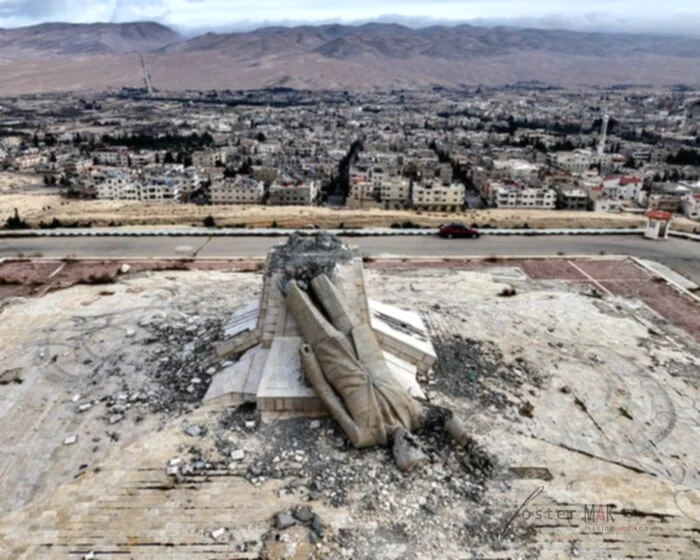
The challenge of rebuilding Syria is immense. The infrastructure is in ruins, and the economy is in tatters. International aid has been slow to arrive, hindered by political considerations and concerns over corruption. The reconstruction process is further complicated by the lack of a cohesive national government and the ongoing presence of foreign military forces on Syrian soil.
Regional and International Implications
The Syrian conflict has had far-reaching implications beyond its borders. It has strained relations between global powers, particularly the United States and Russia, while also affecting regional dynamics in the Middle East. The war has exacerbated sectarian tensions, particularly between Sunni and Shia communities, and has fueled the rise of extremist ideologies.
Turkey’s involvement in northern Syria, aimed at curbing Kurdish influence, has added another layer of complexity to the situation. Meanwhile, Israel continues to monitor developments closely, concerned about the presence of Iranian forces near its borders. The refugee crisis has also tested the resilience and resources of neighboring countries like Lebanon, Jordan, and Turkey, which have borne the brunt of the humanitarian fallout.
Assads Fall and Divided Syria: The Path Ahead
The future of Assads Fall and Divided Syria remains uncertain. Efforts to broker a political solution have been stymied by mutual distrust and competing interests. The United Nations has attempted to mediate peace talks, but progress has been limited. The Assad regime’s insistence on maintaining power, coupled with the opposition’s demands for political reform, has led to a stalemate.
Despite these challenges, there are glimmers of hope. Local ceasefires and reconciliation agreements have brought temporary relief to some areas. Civil society groups continue to operate, providing essential services and advocating for human rights. Furthermore, the resilience of the Syrian people, who have endured unimaginable hardships, remains a testament to their determination to rebuild their lives.
The Role of the International Community
The international community faces a moral obligation to assist in the reconstruction of Syria and to support efforts towards a lasting peace. Humanitarian aid must be prioritized to meet the urgent needs of the population, and diplomatic pressure should be applied to encourage all parties to engage in meaningful dialogue.
The lessons learned from Assads Fall and Divided Syria must inform future responses to conflicts in the region. A comprehensive and inclusive approach is essential to address the underlying causes of the conflict and to prevent a recurrence of violence. The world must not turn a blind eye to the suffering of the Syrian people, who deserve a chance to live in peace and dignity.
As the world watches and waits, the story of Syria continues to unfold. In a landscape marked by division and despair, the search for peace and justice remains a distant yet vital goal.