Emotional Return Australian Women and Children Released from Syri
In a significant development, Australian women and children released from Syrian detention camps have returned home, marking a pivotal moment in the ongoing global discussions surrounding humanitarian efforts and the repatriation of citizens from conflict zones. This event has not only captured the attention of the Australian public but has also ignited conversations about national security, rehabilitation, and the future of global policies on citizens stranded in conflict-afflicted regions.
A Long-Awaited Homecoming
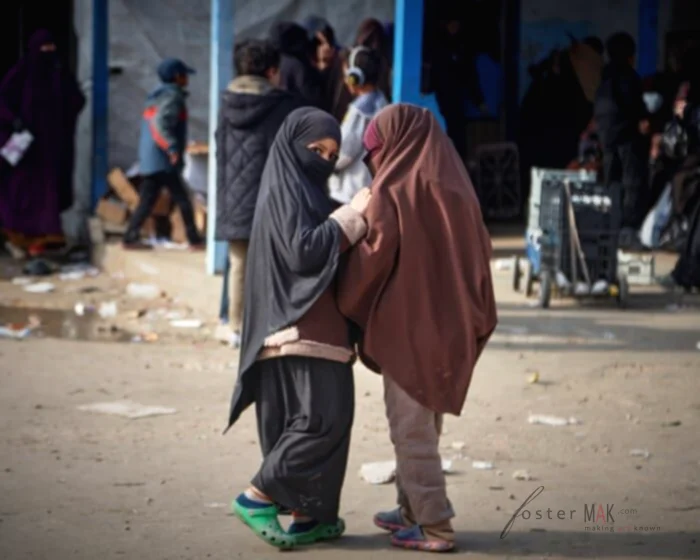
The return of the Australian women and children released from Syria has been a long-awaited event for their families and communities. These individuals were among thousands of foreign nationals who found themselves detained in Syria’s Al-Hol and Roj camps, which have been the focus of international concern due to their dire conditions and complex legal and ethical implications.
The Australian government, after extensive diplomatic and logistical efforts, facilitated the repatriation of these citizens. This initiative aligns with similar actions taken by other countries seeking to address the humanitarian and security challenges posed by their nationals remaining in such precarious situations. The returnees include women who traveled to the region in recent years and their children, many of whom were born in the camps.
Complex Challenges in Repatriation
The process of repatriating the Australian women and children released from Syria was fraught with challenges. The security situation in Syria has been volatile, with ongoing conflicts complicating efforts to reach and safely extract foreign nationals. Additionally, the legal and political dimensions of repatriation have been contentious, with debates surrounding the status and reintegration of individuals who were in areas once controlled by the Islamic State.
Logistically, the operation required coordination between multiple government agencies, international organizations, and local authorities in Syria. The safety and security of both the returnees and the personnel involved in the operation were paramount concerns, necessitating meticulous planning and execution.
Emotional Reunions and Community Reactions
The arrival of the Australian women and children released from Syria sparked emotional scenes as families were reunited after years of separation. For many, the return marked the end of a traumatic chapter and the beginning of a new journey towards healing and reintegration into society. Community support has been crucial, with local organizations and social services stepping in to provide assistance in areas such as mental health, education, and social integration.
Public reaction to the repatriation has been mixed, reflecting broader societal debates about the responsibilities of governments to their citizens, the risk assessment of returnees, and the measures necessary to ensure community safety. While some have expressed relief and support for the humanitarian aspect of the operation, others have voiced concerns about potential security risks and the challenges of deradicalization.
Policy Implications and Future Steps
The case of the Australian women and children released from Syria highlights the broader policy implications for governments worldwide. Balancing humanitarian obligations with national security concerns is a delicate task, requiring comprehensive strategies that address the root causes of radicalization and provide pathways for rehabilitation and integration.
In Australia, the government has emphasized the importance of individualized assessments and support systems tailored to the needs of each returnee. This approach aims to mitigate potential risks while promoting successful reintegration into society. The experience gained from this operation is likely to inform future policies and international cooperation on similar cases.
Global Context and International Cooperation
The issue of citizens stranded in conflict zones like Syria is a global challenge that requires international cooperation and shared responsibility. Countries around the world have adopted varying approaches to repatriation, reflecting differences in legal frameworks, security assessments, and public opinion.
The plight of children in these situations has been a particular focus of concern, as they are often the most vulnerable and have the greatest potential for rehabilitation. International organizations and human rights advocates have called for urgent action to protect and support these children, emphasizing the need for coordinated efforts among nations.
The Road Ahead for Returnees
For the Australian women and children released from Syria, the journey is far from over. Their successful reintegration into society will depend on a range of factors, including access to education, mental health support, and community acceptance. The government has pledged to provide the necessary resources and oversight to facilitate this process, working closely with local authorities and service providers.
This case serves as a reminder of the complex interplay between humanitarian and security considerations in addressing the needs of citizens affected by conflict and displacement. As the world continues to grapple with these challenges, the experiences of the Australian returnees will contribute valuable insights into the development of effective policies and practices.
Conclusion: A Turning Point in Humanitarian Efforts
The return of the Australian women and children released from Syria represents a significant milestone in humanitarian efforts and international policy responses to the issue of citizens stranded in conflict zones. It underscores the importance of balancing security concerns with compassionate approaches to repatriation and reintegration.
As these individuals embark on their new lives back in Australia, their stories will likely continue to shape discussions on national and international levels, offering lessons that can inform future efforts to address similar challenges around the world.