Venice Biennale Urged to Exclude Russia for War Crimes Whitewashi
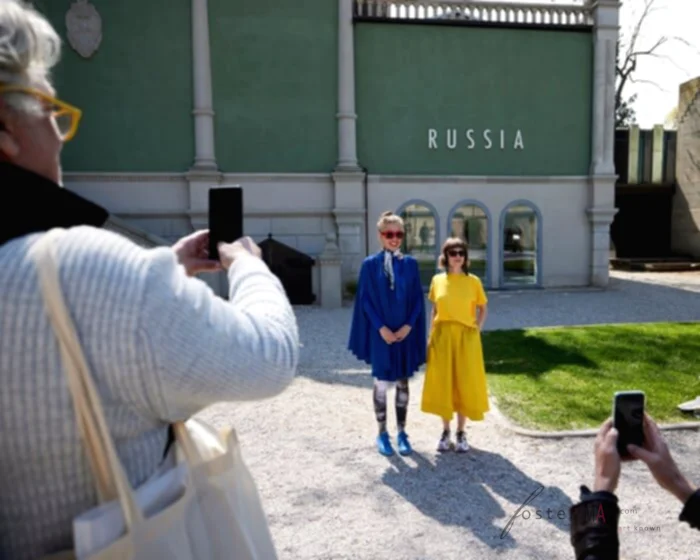
In an unprecedented move, international art communities are calling to exclude Russia from the Venice Biennale, one of the most prestigious art exhibitions in the world. This demand comes in the wake of allegations that the Russian government is using cultural platforms to whitewash war crimes committed in Ukraine. The calls for exclusion are gaining momentum as artists and curators worldwide emphasize the importance of maintaining the integrity of artistic spaces in the face of geopolitical tensions.
Growing Tensions Amidst the Art Community
The Venice Biennale has long been a platform for nations to showcase their cultural prowess and artistic innovation. However, the ongoing war in Ukraine has intensified scrutiny over Russia’s participation in international cultural events. As reports of alleged war crimes surface, many in the art community argue that allowing Russia to participate could be perceived as tacit endorsement of its actions.
Art collectives and human rights organizations are at the forefront of the campaign to exclude Russia from the Venice Biennale. They argue that cultural diplomacy should not overshadow accountability for human rights violations. The Biennale, they insist, should not serve as a stage for regimes accused of using art to distract from their geopolitical misconduct.
Calls for Exclusion: A Divisive Issue
The proposal to exclude Russia from the Venice Biennale has sparked a heated debate within the art world. Proponents of the exclusion argue that the Biennale must take a moral stand against the misuse of art for political agendas. They cite instances where art has been used as a tool for propaganda, insisting that the Biennale should not be complicit in such endeavors.
Critics of the exclusion argue that art should transcend politics and that isolating Russia could stifle dialogue and cultural exchange. They warn that excluding a nation based on its government’s actions could set a dangerous precedent, potentially leading to further polarization in the art community. This divide has raised critical questions about the role of art in times of conflict and the responsibilities of international cultural institutions.
Exclude Russia from Venice Biennale: The Artists’ Perspective
Artists have been vocal in the movement to exclude Russia from the Venice Biennale. Many argue that art should not be used as a tool to sanitize or obscure the harsh realities of war. Some artists have refused to participate in exhibitions featuring Russian artists or funded by Russian organizations. Their stance is rooted in the belief that art should serve as a platform for truth and resistance, not as a means to perpetuate state-sponsored narratives.
Numerous artists have signed petitions and open letters urging the Venice Biennale organizers to take a firm stand. They argue that granting Russia a platform could undermine the credibility of the Biennale and contradict its mission to promote artistic freedom and integrity. These artists emphasize the need for the art world to align with principles of justice and human rights, especially in times of crisis.
Exclude Russia from Venice Biennale: The Role of Cultural Institutions
Cultural institutions around the world now face the challenge of navigating the intersection of art and politics. The Venice Biennale, as a leading international art exhibition, is under pressure to address these concerns while maintaining its reputation as a neutral platform for artistic expression. Organizers have yet to make a public statement regarding the calls for Russia’s exclusion, fueling speculation about the Biennale’s stance on the issue.
The Biennale’s decision will likely have far-reaching implications for other cultural institutions grappling with similar dilemmas. Many museums and galleries are reevaluating their collaborations with Russian entities, weighing the artistic value against the potential for political exploitation. The outcome of this debate could redefine the boundaries of cultural diplomacy and the responsibilities of art institutions in a politically charged era.
Historical Context of Political Exclusions at the Biennale
The Venice Biennale has a history of navigating political controversies. Throughout its existence, the exhibition has faced calls for boycotts and exclusions, reflecting the complex interplay between art and global politics. In past instances, the Biennale has managed to balance its commitment to artistic freedom with the need to address ethical concerns.
However, the current situation presents a unique challenge. The scale and nature of the allegations against Russia have prompted unprecedented scrutiny. The Biennale’s response will not only shape its legacy but also influence the broader discourse on the role of cultural events in addressing international conflicts. As the art world watches closely, the Biennale must decide how to uphold its values in the face of mounting pressure.
The Broader Implications for International Art Exhibitions
The debate over Russia’s participation in the Venice Biennale is emblematic of a larger conversation about the role of international art exhibitions. In an increasingly interconnected world, these events are not only cultural showcases but also arenas for political expression and diplomacy. The decisions made by the organizers of the Venice Biennale could set a precedent for how other exhibitions address similar issues in the future.
Art has long been a medium for challenging power structures and advocating for change. As such, international art exhibitions are uniquely positioned to influence public discourse on global issues. The outcome of the debate over Russia’s exclusion will likely inform how cultural institutions navigate the complex relationship between art and politics in the years to come.
A Critical Juncture for the Art World
The calls to exclude Russia from the Venice Biennale represent a critical moment for the art world. As artists, curators, and cultural institutions grapple with the ethical implications of their decisions, the Biennale’s response will be closely scrutinized. The art community is faced with the challenge of balancing artistic freedom with moral responsibility, a task that is as complex as it is urgent.
The Venice Biennale’s decision will not only impact the immediate future of the exhibition but also set the tone for how the art world engages with political issues. As the debate continues, the art community must confront the difficult questions of how to uphold the integrity of artistic spaces while addressing the realities of a world in conflict.