EUs Top Diplomat Condemns Trendy Euro-Bashing by the US
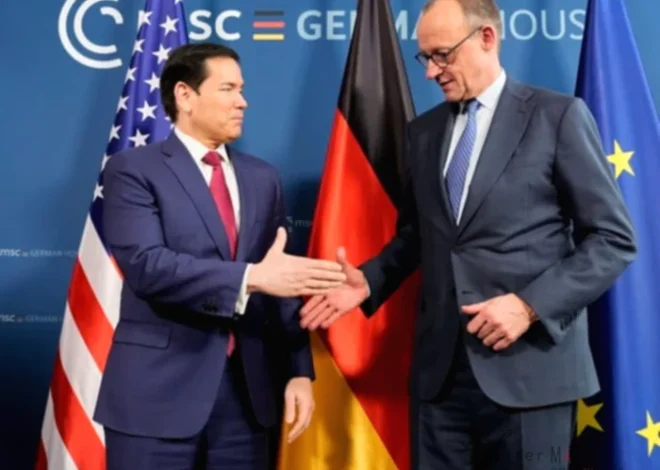
In a recent and striking development, the European Union’s top diplomat has issued a stern rebuke against the growing trend of fashionable euro-bashing by the US. This phenomenon, where EU policies and practices are criticized in a manner that appears to be more of a cultural trend than informed discourse, has raised eyebrows across diplomatic circles. The EU’s High Representative for Foreign Affairs and Security Policy, Josep Borrell, has called for a more nuanced understanding and dialogue between the United States and the European Union, urging both sides to move beyond superficial critiques.
A Diplomatic Tension Unfolds
The relationship between the United States and the European Union has often been described as a cornerstone of global diplomacy. However, recent years have seen an increase in tensions, particularly as political landscapes shift on both sides of the Atlantic. The fashionable euro-bashing by US commentators and politicians has added fuel to the fire, with criticisms often focusing on the EU’s regulatory framework, economic policies, and occasionally, its social norms.
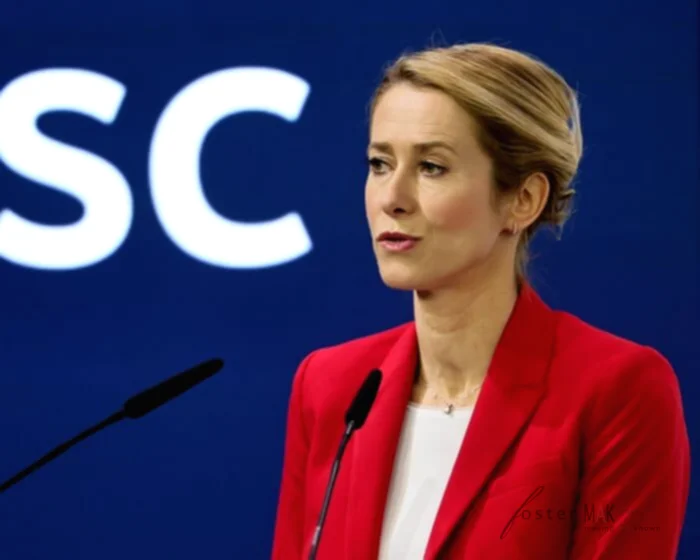
Josep Borrell, in a press conference held in Brussels, expressed his concerns about this trend, stating that it undermines the collaborative spirit that has historically been a hallmark of transatlantic relations.
We must move away from broad-stroke criticisms that lack depth and understanding,
Borrell emphasized.
Our relationship deserves thoughtful engagement, not sound bites.
Historical Context of Euro-Bashing
To fully appreciate the current wave of fashionable euro-bashing by US entities, it is essential to delve into its historical context. Euro-bashing is not a new phenomenon. It has its roots in the post-World War II era when the United States emerged as a dominant global power and Europe was rebuilding from the ruins of war. In the decades that followed, the EU’s growing influence on the world stage occasionally clashed with American interests, leading to moments of friction and criticism.
The recent resurgence of this trend can be attributed in part to the rise of populist movements in the United States. These movements often view the EU as a bureaucratic behemoth that imposes unnecessary regulations and stifles innovation. This perception has been fueled by political rhetoric and media narratives that paint the EU as an out-of-touch entity disconnected from the everyday concerns of American citizens.
Fashionable Euro-Bashing by US: A Media Phenomenon
The role of media in perpetuating the fashionable euro-bashing by US commentators cannot be overstated. In an era where sensationalism often trumps substance, media outlets have seized upon this trend as a way to attract viewership and readership. Simplistic narratives about the EU’s supposed inefficiencies and failures have found a receptive audience, particularly among those who are skeptical of globalization and international cooperation.
Critics argue that this media-driven euro-bashing lacks the nuance necessary for a comprehensive understanding of EU policies and their implications. Complex issues such as climate change, trade agreements, and digital regulations are often reduced to sound bites, leaving the public with an oversimplified view of the EU’s role in global affairs.
Political Implications and Repercussions
The fashionable euro-bashing by US politicians and media figures has significant political implications. For one, it risks alienating European allies at a time when global challenges require coordinated responses. Issues such as climate change, cybersecurity, and international trade are best addressed through collaborative efforts, and divisive rhetoric can hinder progress in these areas.
Moreover, this trend has the potential to influence domestic politics within the EU. Eurosceptic movements within member states may seize upon American criticisms to bolster their own agendas, further complicating the EU’s internal dynamics. The rise of nationalist sentiments in some European countries could be exacerbated by external criticisms, leading to a more fragmented and less cohesive union.
The Path Forward: Bridging the Transatlantic Divide
Despite the challenges posed by fashionable euro-bashing by US entities, there is hope for a more constructive dialogue between the United States and the European Union. Both sides recognize the need for a strong transatlantic partnership in addressing global issues. Diplomats and policymakers are working to find common ground on key issues while acknowledging and respecting each other’s differences.
Josep Borrell has called for renewed efforts to enhance mutual understanding and cooperation.
We must remember that our shared values and interests far outweigh our differences,
he stated.
By engaging in open and honest dialogue, we can overcome the misunderstandings that have fueled this trend.
The Role of Education and Public Discourse
Addressing the fashionable euro-bashing by US entities requires a concerted effort to promote education and informed public discourse. Educational institutions and think tanks on both sides of the Atlantic can play a crucial role in fostering a deeper understanding of EU-US relations. By providing nuanced analyses and hosting dialogues that bring together experts from diverse fields, these institutions can help bridge the knowledge gap that often underlies simplistic criticisms.
Public discourse must also evolve to accommodate more comprehensive discussions about the complexities of global governance. Encouraging citizens to engage with diverse perspectives and challenging prevailing narratives can help counter the allure of fashionable euro-bashing by US media and political figures.
Moving Beyond Trendy Criticisms
The fashionable euro-bashing by US commentators may be seen as a passing trend, but its impact on transatlantic relations is real and tangible. Moving beyond superficial criticisms requires a commitment to mutual respect and understanding. Both the United States and the European Union have much to gain from a relationship grounded in cooperation and shared goals.
In the face of global challenges that know no borders, the importance of a strong and united transatlantic partnership cannot be overstated. By addressing the root causes of fashionable euro-bashing by US entities and fostering a culture of informed dialogue, both sides can work towards a more harmonious and effective collaboration on the world stage.