Iran Warns US Against Attack as Protest Deaths Surge
In a tense escalation of rhetoric, Iran warns the US against attack amid a backdrop of increasing internal unrest that has seen protest deaths surge across the nation. The warning comes at a critical juncture for Iranian leadership, which is navigating a complex landscape of domestic discontent and international diplomatic challenges. This development underscores the volatility in the region and raises questions about the potential for further conflict.
Rising Tensions: A Diplomatic Standoff
The geopolitical landscape has been increasingly fraught with tension as Iran warns the US against attack, a statement that underscores the fragile balance of power in the Middle East. The Iranian government, through its Foreign Ministry, issued a stern warning to the United States, cautioning against any military aggression. This declaration follows a series of incidents that have heightened tensions between the two nations, including alleged US reconnaissance activities near Iranian borders and recent military exercises by the US Navy in the Persian Gulf.
Iranian officials have made it clear that any act of aggression by the United States would be met with a robust response. Foreign Minister Hossein Amir-Abdollahian emphasized that Iran’s military capabilities are more than sufficient to deter any potential threats to its sovereignty. The Iranian leadership has also been actively seeking to bolster its defense systems, a move interpreted by some analysts as a direct counter to perceived US military posturing in the region.
Internal Strife: Protests and Civil Unrest
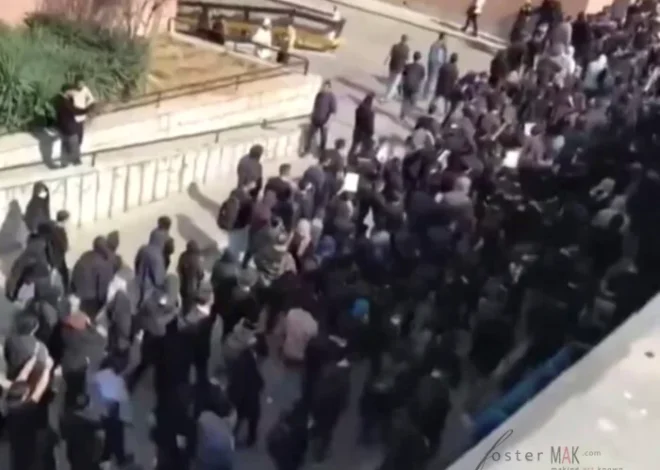
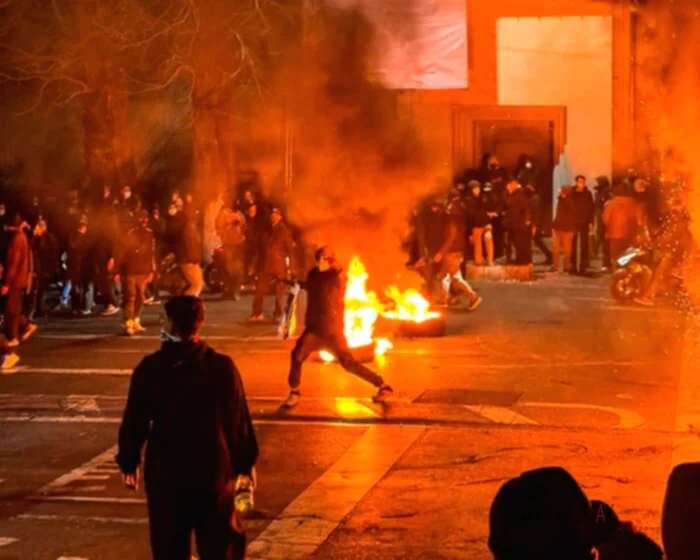
While the Iranian government projects strength on the international stage, it faces significant challenges domestically. The surge in protest deaths has become a focal point of concern both within Iran and internationally. Demonstrations, originally sparked by economic grievances and calls for political reform, have spread across major cities, with reports indicating that the government has responded with a heavy hand. According to human rights organizations, the death toll from recent protests has reached alarming levels, with security forces accused of using excessive force against demonstrators.
The protests have drawn widespread condemnation from international human rights groups, which have called on the Iranian government to exercise restraint and respect the rights of its citizens. The unrest has also strained Iran’s resources as it grapples with the dual challenges of maintaining internal order and addressing external threats. Observers note that the government’s handling of the protests could have significant implications for its legitimacy and stability.
Iran Warns US Against Attack Amid Internal Challenges
The Iranian leadership’s warning to the US comes at a time when it is grappling with significant internal challenges. The growing number of protest deaths has intensified scrutiny of the government’s domestic policies and its capacity to maintain control. Analysts suggest that the Iranian government’s assertive foreign policy stance may be partly aimed at diverting attention from internal issues and rallying nationalist sentiment.
The Iranian authorities have accused external forces, including the United States, of fomenting unrest within its borders. This narrative has been used to justify the government’s hardline response to the protests and to rally public support against perceived foreign interference. However, this strategy carries risks, as it could further alienate segments of the population that are demanding change.
The Regional Context: A Complex Web of Alliances
The warning from Iran to the United States must be viewed within the broader context of regional geopolitics. The Middle East is a tapestry of complex alliances and rivalries, with Iran playing a central role. Its influence extends through a network of alliances with groups such as Hezbollah in Lebanon and various factions in Iraq and Syria. These relationships have positioned Iran as a key player in regional dynamics but have also put it at odds with US interests.
The strategic calculus for both the US and Iran involves navigating these alliances while avoiding a direct military confrontation that could destabilize the region. Iran’s warning to the US is likely intended to reinforce its deterrence posture while signaling to its allies that it remains resolute in the face of external pressure.
Strategic Implications: Balancing Act for the US
For the United States, the warning from Iran presents a complex strategic challenge. The US has long sought to contain Iran’s regional influence while avoiding a full-scale conflict that could have far-reaching consequences for global stability. The presence of US military forces in the region is a constant source of tension, with each side wary of provocations that could escalate into open hostilities.
The Biden administration has been navigating this precarious situation with a mix of diplomatic engagement and military readiness. Efforts to revive the Iran nuclear deal, formally known as the Joint Comprehensive Plan of Action (JCPOA), have been met with obstacles, complicating the US approach to Iran. The warning from Iran adds another layer of complexity to these diplomatic efforts, as both sides weigh their options in a rapidly evolving landscape.
Iran Warns US Against Attack: A Message to Allies and Foes
By issuing a warning to the US, Iran is also sending a message to its allies and adversaries. The statement underscores Iran’s commitment to defending its sovereignty and its willingness to stand up to external pressures. It is a signal to regional allies that Iran remains a formidable force capable of challenging US influence in the Middle East.
For Iran’s adversaries, the warning serves as a reminder of the potential consequences of a miscalculation that could lead to conflict. The Iranian leadership is likely seeking to deter any aggressive moves by highlighting its readiness to respond decisively to threats.
The Path Forward: Uncertain Prospects
The current situation leaves both Iran and the United States at a crossroads, with uncertain prospects for the future. The warning from Iran has heightened tensions, but it also opens the door for potential diplomatic engagement. Both nations have much at stake, with regional stability and international relations hanging in the balance.
As Iran warns the US against attack, the international community watches closely, aware that the actions of these two countries could have far-reaching implications. The challenge for both sides will be to navigate this delicate situation without resorting to conflict, while addressing the underlying issues that have fueled tensions.
The path forward is fraught with challenges, but it also presents opportunities for dialogue and de-escalation. As the situation unfolds, the world will be watching to see how Iran and the United States choose to move forward and whether diplomacy can prevail over conflict.