Iran’s students protesting again amid empty classrooms and full g
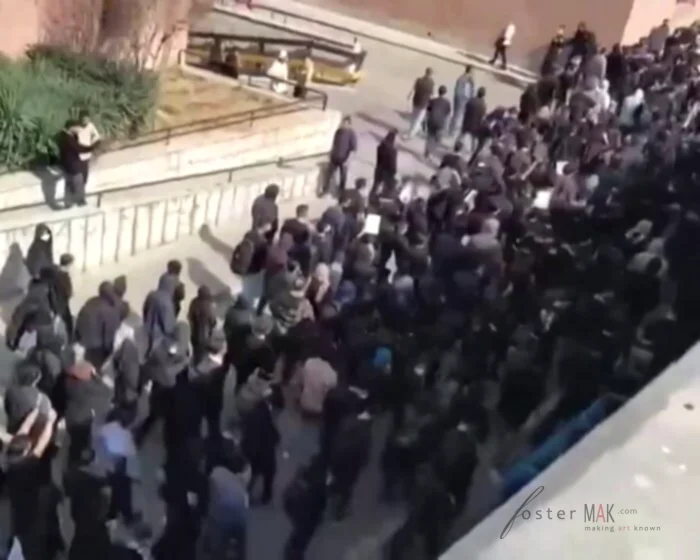
In a nation marked by political upheaval and social tension, Iran’s students are protesting again, demanding change and reform. The corridors of Iran’s universities, usually buzzing with the vibrant energy of young minds, now echo with the unified chants of students seeking justice and freedom. Across the nation, classrooms remain starkly empty as students take to the streets, filling the squares and public spaces with their voices in a renewed call for transformation.
A New Wave of Dissent
Iran’s students protesting again follows a historical pattern of youth involvement in political activism. However, this new wave of demonstrations is distinct both in its intensity and its underlying causes. Triggered by recent governmental actions perceived as oppressive, students are pushing back against a series of policies they deem unjust. From increased restrictions on academic freedoms to the broader socio-political constraints placed upon the general populace, students are rallying not only for their rights but for the rights of all Iranians.
The protests have gained momentum swiftly, driven by social media and the digital networking capabilities of the new generation. Platforms like Instagram and Twitter are awash with images and videos capturing the fervor of the movement. The digital sphere has become a pivotal battleground where ideas are exchanged and solidarity is built, transcending the physical barriers imposed by the authorities.
The Catalyst for Change
A multitude of factors have contributed to the resurgence of Iran’s students protesting again. Chief among these is the recent crackdown on academic freedom. Reports have surfaced of increased censorship in universities, with faculty members reportedly being pressured to align with governmental narratives and curricula being altered to exclude certain controversial topics. These measures have stoked the flames of discontent among students who feel their intellectual and personal freedoms are under siege.
Economic conditions have also played a significant role. With inflation soaring and job prospects dwindling, students face a bleak future. The rising cost of living coupled with stagnant wages has left many young Iranians feeling trapped in a cycle of poverty and hopelessness. This economic despair is further exacerbated by the perception of widespread corruption within the government, fueling resentment and a desire for systemic change.
Voices from the Frontline
To understand the depth of the current protests, it is crucial to listen to the voices of those on the frontline. In Tehran, a 21-year-old university student, who preferred to remain anonymous due to safety concerns, shared her motivations for joining the protests. “We are not just fighting for ourselves,” she said. “We are fighting for the future of our country. We want a place where we can speak freely, learn freely, and live freely.”
Another student from Isfahan highlighted the sense of unity among the protesters. “It’s not just about students anymore,” he explained. “We have support from all walks of life. People are tired of being silenced and oppressed. This is about reclaiming our rights as Iranians.”
Government Response and International Attention
The Iranian government’s response to the protests has been swift and severe. Security forces have been deployed in large numbers to quell the demonstrations, often using tear gas and rubber bullets to disperse crowds. Reports of arrests and detentions are mounting, with human rights organizations expressing concern over the treatment of those apprehended.
Internationally, the protests have drawn significant attention, with numerous countries and organizations calling for restraint and dialogue. The United Nations has urged the Iranian government to respect the rights of its citizens to peacefully assemble and express their grievances. Meanwhile, diaspora communities around the world have organized solidarity rallies, amplifying the voices of those on the ground in Iran.
The Role of Women in the Movement
A notable aspect of Iran’s students protesting again is the prominent role women are playing in the movement. Women have long been at the forefront of social change in Iran, and this wave of protests is no exception. Many young women are leading demonstrations, organizing events, and using social media platforms to raise awareness about the issues at hand.
Their involvement is particularly significant given the additional socio-cultural barriers they face. In a society where gender-based discrimination is pervasive, these women are challenging not only political norms but also societal ones. Their courage in demanding equality and justice serves as an inspiration to many and adds a potent dynamic to the movement.
Challenges and Risks
While the protests have garnered widespread support, they are not without significant challenges and risks. The Iranian government has historically shown little tolerance for dissent, often responding with harsh crackdowns. The risk of violence and repression is ever-present, and students face the possibility of arrest, expulsion from universities, and even physical harm.
Moreover, sustaining the momentum of the protests is a formidable task. As the movement grows, so does the complexity of its demands and the coordination required to maintain a unified front. Organizers must navigate internal divisions and external pressures while keeping the focus on their core objectives.
Iran’s Students Protesting Again: A Historical Perspective
To fully appreciate the significance of Iran’s students protesting again, it is essential to consider the historical context. Student activism has deep roots in Iran, dating back to the early 20th century. From the Constitutional Revolution to the Islamic Revolution, students have consistently played a crucial role in shaping the nation’s political landscape.
This legacy of activism is both a source of inspiration and a reminder of the challenges ahead. Previous student movements have encountered fierce resistance, yet they have also succeeded in effecting meaningful change. As the current protests unfold, they draw strength from this history, reminding both participants and observers of the enduring power of collective action.