Myanmar Elections Widely Condemned First Phase Polls Close
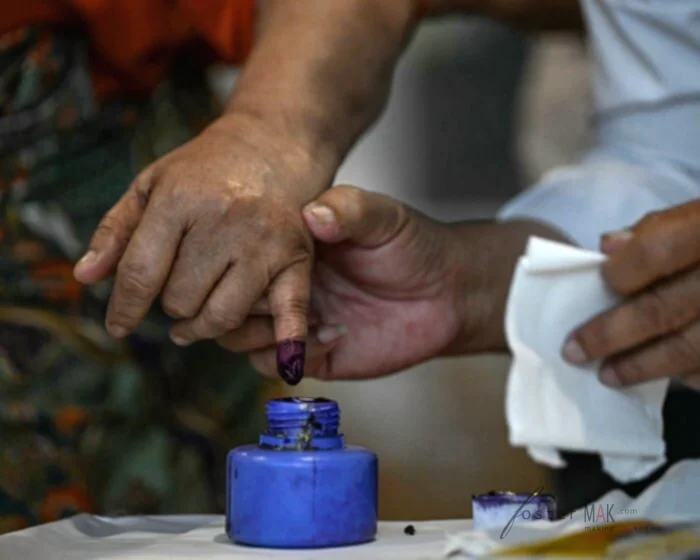
The Myanmar elections widely condemned as a sham have drawn to a close for their first phase, sparking international denunciation and internal dissent. This controversial election, viewed by many as a facade to legitimize the military junta’s grip on power, has been rife with allegations of voter suppression, censorship, and widespread intimidation. As reports trickle in from across the country, the global community watches closely, with some nations already calling for action.
A Troubled Political Landscape
Myanmar’s political environment has been fraught with tension since the military coup in February 2021, which ousted the civilian government led by Aung San Suu Kyi. The junta, headed by General Min Aung Hlaing, promised to hold elections to restore democracy. However, these promises have been met with skepticism by both national and international observers. The current electoral process, marked by its lack of transparency and fairness, has only deepened the divide between the junta and the people of Myanmar.
A Controversial Electoral Process
The elections, which are being conducted in stages, have already been marred by accusations of unfair practices. Critics say that the military-controlled Union Election Commission (UEC) has systematically disenfranchised large portions of the population. Ethnic minorities, particularly the Rohingya, have faced significant barriers to voting. Many of these communities, having been displaced by ongoing conflicts, find themselves without the necessary identification or access to polling stations.
Reports from local and international observers indicate that the electoral roll is incomplete and selectively biased. The junta has also been accused of manipulating constituencies to favor military-backed candidates. In some areas, entire villages have been excluded from the process, either due to security concerns or alleged affiliations with opposition groups.
Myanmar Elections Widely Condemned as a Sham
The international response has been swift and severe, with Myanmar elections widely condemned as a sham by numerous countries and organizations. The United States, the European Union, and several Asian nations have expressed grave concerns over the legitimacy of the elections. Human rights organizations, including Amnesty International and Human Rights Watch, have issued statements decrying the process as fundamentally flawed.
In a recent press briefing, a spokesperson for the United Nations described the elections as
an affront to the democratic aspirations of the people of Myanmar.
The UN has called for the immediate release of political prisoners and an inclusive dialogue that involves all stakeholders, including ethnic minority groups and civil society organizations.
Erosion of Civil Rights
Underpinning the flawed electoral process is an erosion of civil rights in Myanmar. Since the coup, the military junta has systematically dismantled democratic institutions and cracked down on dissent. Media outlets have been shut down or heavily censored, and journalists face harassment and arrest. Social media, once a vibrant platform for political discourse, is now heavily monitored by authorities.
The elections have only intensified these restrictions. Reports from the ground suggest that authorities have detained activists and opposition figures in the lead-up to the polls. Gatherings of more than five people have been banned in many areas, and night curfews are in effect. The junta has justified these measures as necessary for maintaining order, but critics argue they are designed to stifle opposition and dissent.
Local Resistance and Continued Struggles
Despite the oppressive environment, resistance within Myanmar remains strong. The Civil Disobedience Movement (CDM), which emerged in the wake of the coup, continues to mobilize citizens against the military regime. These activists have called for a boycott of the elections, labeling them a mere charade to legitimize the junta’s rule.
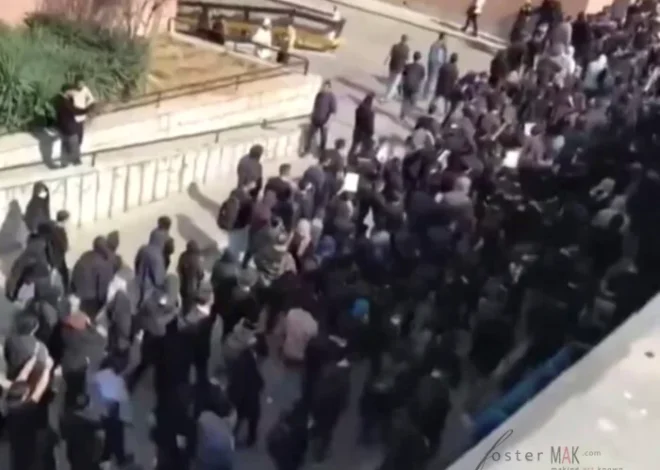
Protesters have taken to the streets in various parts of the country, defying threats of violence and arrest. In Yangon and Mandalay, two of Myanmar’s largest cities, demonstrators have staged sit-ins and marches, chanting slogans demanding the restoration of democracy. These protests have been met with a heavy-handed response from security forces, resulting in numerous arrests and injuries.
Voices from the Ground
Amid the turmoil, ordinary citizens find themselves caught in a precarious situation. Many fear the repercussions of speaking out against the elections or participating in protests. In interviews with international media, some voters expressed their disillusionment with the political process.
These elections are not for us,
said one Yangon resident, who requested anonymity for fear of reprisal.
They are for the generals and their allies.
Others have chosen to abstain from voting altogether, viewing the process as futile.
What is the point of voting when the results are predetermined?
asked a young voter from the Kachin State, where armed conflict between ethnic groups and the military has displaced thousands.
Global Repercussions and Diplomatic Responses
The fallout from Myanmar’s elections is likely to have significant geopolitical implications. Neighboring countries are closely monitoring the situation, wary of potential instability along their borders. In ASEAN, the regional bloc of Southeast Asian nations, there is a growing division over how to address the crisis in Myanmar.
Some member states, like Indonesia and Malaysia, have been vocal in their condemnation of the junta and have called for a more robust regional response. Others, like Thailand and Cambodia, have taken a more cautious approach, emphasizing non-interference in Myanmar’s internal affairs.
International Calls for Accountability
International bodies are also weighing potential actions against the junta. Sanctions targeting military leaders and their business interests are being considered by Western nations. The UN Security Council, however, remains divided due to veto powers held by China and Russia, both of which have historically supported Myanmar’s military.
Human rights groups are advocating for an international tribunal to investigate alleged war crimes and crimes against humanity committed by the junta. They argue that holding the military accountable is crucial for ensuring justice and deterring future abuses.
The Road Ahead for Myanmar
As the first phase of the elections concludes, Myanmar stands at a crossroads. The path forward is fraught with challenges, both for the junta seeking to consolidate power and for the opposition striving for democratic reform. The elections, widely viewed as illegitimate, have further polarized the nation and intensified calls for international intervention.
While the military regime may succeed in maintaining control in the short term, the underlying issues of ethnic strife, economic hardship, and popular discontent remain unresolved. For the people of Myanmar, the struggle for democracy and human rights continues, with the hope that their voices will eventually be heard on the global stage.