
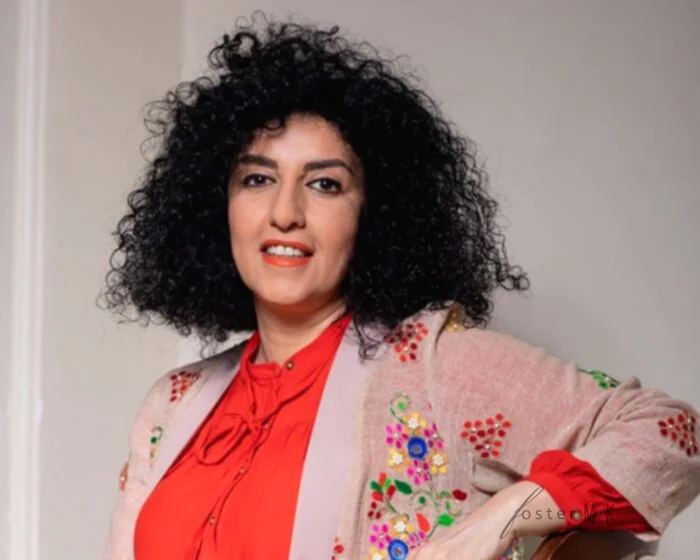
Nobel laureate Narges Mohammadi faces additional seven-year sente
In a significant development that has sparked international outcry, Nobel laureate Narges Mohammadi has been handed an additional seven-year prison sentence by Iranian authorities. This decision has raised further concerns about the ongoing repression of human rights activists in Iran, highlighting the challenges faced by those who dare to speak out against the country’s political establishment.
Who is Narges Mohammadi?
Narges Mohammadi is a prominent Iranian human rights advocate and an internationally recognized figure in the struggle for freedom and justice. Her tireless work in defending women’s rights and her outspoken opposition to the death penalty have earned her admiration worldwide. Mohammadi’s activism has often put her at odds with the Iranian government, leading to multiple arrests and detentions over the years.
Born in 1972 in Zanjan, Iran, Mohammadi pursued a degree in physics before dedicating herself to social activism. Her engagement with the Defenders of Human Rights Center, co-founded by Nobel Peace Prize laureate Shirin Ebadi, marked the beginning of her pivotal role in advocating for human rights in Iran. Despite her peaceful activism, Mohammadi has faced severe repercussions, including harassment, imprisonment, and now, an additional sentence that adds to her time behind bars.
The Context of Mohammadi’s Arrest
Narges Mohammadi’s latest sentence comes amid heightened tensions in Iran, where the government’s crackdown on dissent has intensified. Mohammadi’s arrest and subsequent sentencing can be traced back to her involvement in protests against the country’s mandatory hijab laws and her vocal opposition to the death penalty. These actions have made her a target for the Iranian authorities who view her activism as a threat to the regime’s stability.
Mohammadi was first arrested in 2010 on charges related to her human rights work. Over the years, she has faced multiple trials and convictions, often on charges of
spreading propaganda against the state
and
colluding to commit crimes against national security.
Her most recent arrest in 2021 led to another trial, culminating in the additional seven-year sentence she now faces.
International Reactions
The news of Narges Mohammadi’s extended prison sentence has elicited swift condemnation from international human rights organizations and foreign governments. Amnesty International and Human Rights Watch have both issued statements denouncing the Iranian government’s actions, calling for Mohammadi’s immediate release and urging the international community to take a firmer stance against Iran’s human rights violations.
In a statement, Amnesty International described Mohammadi’s sentence as
a blatant attempt to silence a courageous and prominent voice in the fight for human rights and gender equality in Iran.
Meanwhile, governments in Europe and North America have also expressed concern, with the United States Department of State labeling the sentencing as
unjust
and urging Iran to respect its international human rights obligations.
The Role of the Nobel Peace Prize
The Nobel Peace Prize, awarded to Narges Mohammadi in recognition of her relentless efforts to promote peace and justice, has amplified international attention to her plight. The prize has not only highlighted her personal sacrifices but also underscored the broader human rights issues in Iran. The Nobel Committee’s decision to honor Mohammadi has been seen as a powerful message of solidarity with Iranian human rights defenders and an acknowledgment of their struggles.
While the Nobel Peace Prize has brought Mohammadi’s case to the global forefront, it has also intensified the scrutiny on Iran’s human rights record. The Iranian government has faced mounting pressure to reform its policies and address the systemic issues that contribute to the repression of activists like Mohammadi. However, the additional sentence she now faces suggests that the Iranian authorities remain resistant to international criticism and are determined to quash dissent within the country.
Challenges Faced by Human Rights Activists in Iran
The plight of Narges Mohammadi sheds light on the broader challenges encountered by human rights activists in Iran. The Iranian government’s crackdown on dissent has created a hostile environment for those who advocate for political reform and social justice. Activists are often subjected to surveillance, harassment, and imprisonment, with many facing charges of espionage or endangering national security.
Iran’s judicial system has been criticized for its lack of transparency and fairness, with trials often conducted behind closed doors and defendants denied access to legal representation. The use of vague and broadly defined charges allows the government to target individuals who challenge its authority, effectively stifling free expression and dissent.
Implications for the Future
The additional sentence handed down to Nobel laureate Narges Mohammadi raises questions about the future of human rights advocacy in Iran. Her continued imprisonment serves as a stark reminder of the risks faced by those who speak out against injustice and oppression. Despite the challenges, Mohammadi’s resilience and determination continue to inspire others to pursue the cause of human rights in Iran and beyond.
The international community’s response to Mohammadi’s case will play a crucial role in shaping the future landscape of human rights in Iran. As governments and organizations rally in support of her release, the pressure on Iran to reconsider its stance on human rights advocacy is likely to intensify. The outcome of this international effort could have far-reaching implications for activists in Iran and signal a shift in the global approach to addressing human rights violations in the country.
The Road Ahead for Narges Mohammadi
Nobel laureate Narges Mohammadi now faces an uncertain future as she serves her additional sentence in Iran’s notorious Evin Prison. Her resolve and commitment to the cause of human rights remain unwavering, even in the face of adversity. Mohammadi’s story has become emblematic of the broader struggle for freedom and justice in Iran, inspiring countless individuals to continue the fight for change.
As the international community continues to advocate for her release, the spotlight remains on Iran’s human rights record and the ongoing battle for reform within the country. Mohammadi’s case serves as a rallying point for activists and advocates worldwide, reminding us of the enduring power of courage and conviction in the face of repression.