Australia Backs Removing Andrew Mountbatten-Windsors Royal Status
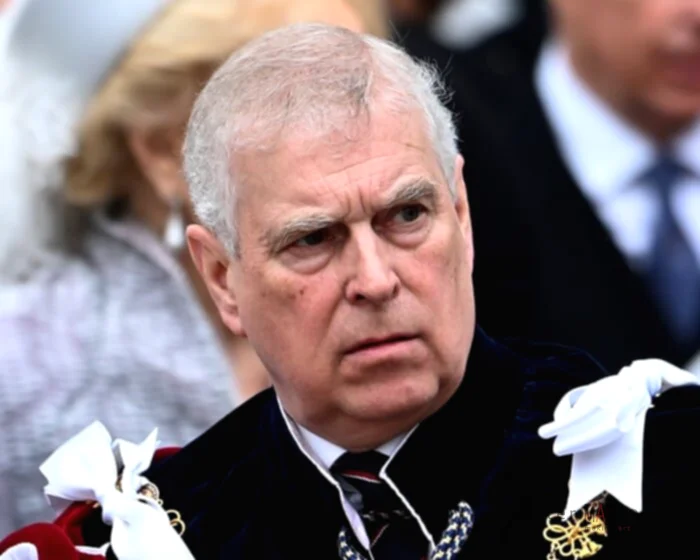
In a move that is sending ripples through the corridors of Buckingham Palace, Australia has expressed support for removing Andrew Mountbatten-Windsor from succession to the British throne. This development comes amid growing scrutiny of the Duke of York’s activities and associations, which have cast a shadow over the British royal family. The focus on removing Andrew Mountbatten-Windsor from succession highlights a significant shift in public opinion and political sentiment, both in the United Kingdom and its Commonwealth realms.
Australian Public Opinion Shifts
Public sentiment in Australia has been shifting over recent years, with debates intensifying around the relevance and role of the British monarchy in the country’s modern identity. The Duke of York’s legal troubles and controversies have only added fuel to the fire, prompting calls for a reevaluation of royal succession rules. A recent survey conducted by an Australian think tank indicates that a majority of Australians support the idea of removing Andrew Mountbatten-Windsor from the line of succession.
This sentiment is not limited to Australia. Similar discussions are taking place in other Commonwealth countries, where there is a growing push to reconsider the ties that bind these nations to the British monarchy. Many Australians feel that the monarchy should reflect contemporary values, and the presence of controversial figures in the royal line of succession is seen as increasingly untenable.
Political Leaders Weigh In
The issue of royal succession has also captured the attention of Australian political leaders. Several prominent politicians have voiced their support for removing Andrew Mountbatten-Windsor from the line of succession, arguing that his continued presence undermines the integrity of the monarchy. The Australian Prime Minister has been notably vocal, calling for a discussion on the monarchy’s future role in Australian governance.
While the Australian government has no direct power to alter the line of succession, it can influence public discourse and bring pressure to bear on the British government. The Prime Minister’s recent statements have sparked a broader conversation about the monarchy’s relevance, with some politicians advocating for a complete severance of ties.
Legal and Constitutional Implications
The process of removing Andrew Mountbatten-Windsor from succession is fraught with legal complexities. Under current British law, any change to the line of succession requires an Act of Parliament in the United Kingdom, as well as the consent of the Commonwealth countries where the British monarch is head of state. This means that significant diplomatic and legal negotiations would be necessary to effect such a change.
Constitutional experts argue that this situation presents an opportunity to modernize the monarchy and bring it in line with contemporary expectations. However, they also caution that the process could be lengthy and contentious, as it involves multiple stakeholders and a careful balancing of national interests.
Removing Andrew Mountbatten-Windsor from Succession: Challenges Ahead
Removing Andrew Mountbatten-Windsor from succession is not without its challenges. One of the main obstacles is the deeply entrenched nature of the British monarchy, which has a long history and significant symbolic value. Any change to the line of succession would need to be carefully managed to avoid destabilizing the institution or alienating its supporters.
Furthermore, there is the question of precedent. Removing a member of the royal family from the line of succession is a rare and unprecedented step, and it could set a precedent for future actions. This raises concerns about the potential for political manipulation of the monarchy, which could undermine its apolitical nature.
International Repercussions
The debate over Andrew Mountbatten-Windsor’s status is not confined to the United Kingdom and Australia. It has sparked discussions in other Commonwealth countries and even among some European nations with historical ties to the British monarchy. The potential removal of a royal from the line of succession is a topic of international interest, with implications for diplomatic relations.
Commonwealth countries like Canada and New Zealand are closely monitoring the situation, as any change would affect their constitutional arrangements as well. These nations face similar debates about the monarchy’s role and relevance in their modern societies, and the outcome of the situation could influence their own discussions and decisions.
Public and Royal Family Reactions
The British royal family has traditionally remained tight-lipped on issues of succession, preferring to maintain a united front in public. However, the ongoing controversies surrounding Andrew Mountbatten-Windsor have reportedly caused tension within the family. While there has been no official comment from Buckingham Palace, insiders suggest that the situation is being closely monitored.
Public reaction in the United Kingdom has been mixed. While there is a segment of the population that remains loyal to the monarchy and opposes any changes to the line of succession, others are calling for reform. The media has played a significant role in shaping public opinion, with extensive coverage of the Duke of York’s legal troubles and their implications for the royal family.
Removing Andrew Mountbatten-Windsor from Succession: A Turning Point?
The potential removal of Andrew Mountbatten-Windsor from succession could mark a turning point for the British monarchy and its relationship with the Commonwealth. It is a moment that could redefine the monarchy’s role in the 21st century and its ability to adapt to changing societal norms. As discussions continue, the eyes of the world remain fixed on the unfolding drama, with many wondering what the future holds for the British royal family and its place in the modern world.