Minneapolis Mayor Demands FBI Involve State in Renee Good Probe
In a significant development surrounding the ongoing Renee Good inquiry, Minneapolis Mayor Jacob Frey has publicly called for the Federal Bureau of Investigation (FBI) to collaborate with state authorities. The mayor’s demand comes amidst increasing public pressure and mounting questions regarding the transparency and thoroughness of the investigation into the case of Renee Good, a local activist whose disappearance has captivated national attention.
Heightened Public Scrutiny
The Renee Good inquiry has captured the public’s imagination in recent months, with rallies, social media campaigns, and community meetings amplifying calls for justice. Good, a well-known social justice advocate in Minneapolis, vanished under mysterious circumstances two months ago. Her disappearance has spurred a wave of activism and concern, particularly within the city’s activist communities. Citizens have voiced their frustrations at perceived delays and a lack of clear communication from law enforcement agencies handling the case.
Mayor Frey’s call for the FBI to enlist state involvement is seen as a response to these growing concerns. Many community leaders have expressed hope that the inclusion of state resources and expertise will expedite the investigation and provide a fresh perspective.
Mayor Frey’s Appeal for Collaborative Efforts
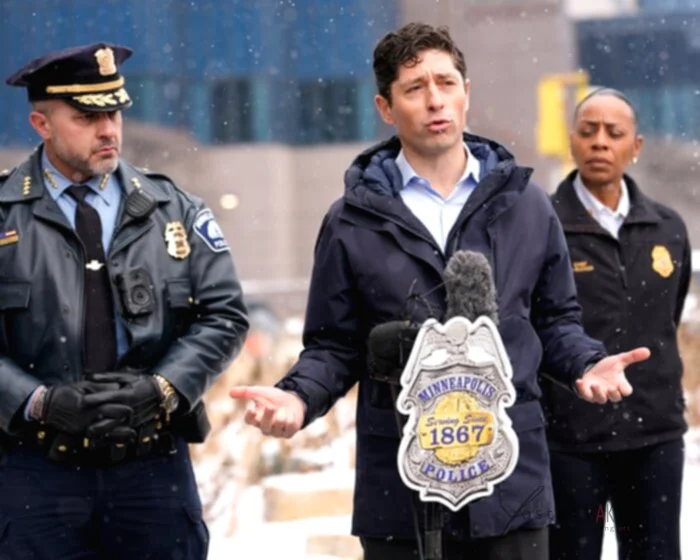
Mayor Jacob Frey, during a press conference held at City Hall, emphasized the necessity of a comprehensive and collaborative approach in the Renee Good inquiry. He stated that the complexity of the case, coupled with its emotional impact on the community, necessitates a multi-agency effort.
We believe that involving both federal and state resources will not only enhance the investigative process but also ensure that every aspect of this case is meticulously examined,
Frey remarked.
The mayor’s appeal is not without precedent. In similar high-profile cases across the country, collaboration between federal and local authorities has often proven beneficial. The hope is that by involving the state, additional layers of oversight and expertise can be brought to bear on the investigation, leading to a more thorough and transparent process.
Community Voices: Desperation for Answers
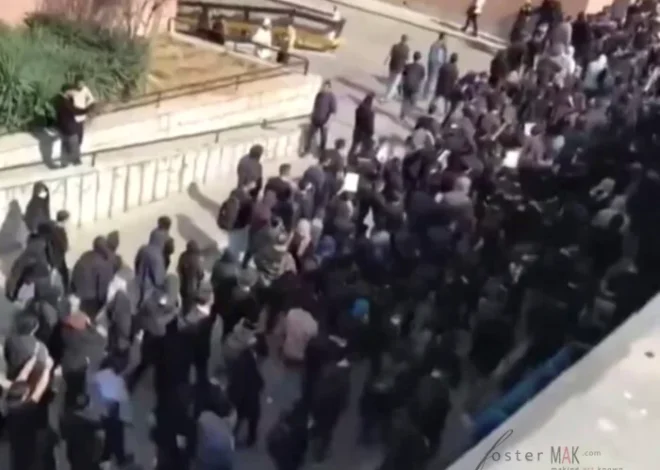
The Renee Good inquiry has been marked by vocal community involvement. Local activists and residents have organized vigils and marches, demanding answers and accountability. Many in the community have expressed frustration over what they perceive as a lack of urgency from law enforcement agencies.
Sarah Thompson, a close friend of Good and a fellow activist, expressed her concerns at a recent rally.
Renee has always been a voice for the voiceless. Now it’s our turn to be her voice. We need transparency, and we need it now,
Thompson declared to a crowd of supporters. She, along with others, hopes that state involvement will provide the necessary transparency and urgency.
The Role of the FBI and State Authorities
The FBI has been involved in the Renee Good inquiry from early on, primarily due to the case’s potential implications for interstate criminal activity. However, the agency’s involvement has been criticized by some as insufficient in addressing local concerns and the emotional toll on the Minneapolis community.
State involvement could bring a different dimension to the investigation. State agencies, with their closer ties to local communities and understanding of regional dynamics, might be better positioned to address community concerns and foster trust. Moreover, state resources could supplement federal efforts, bringing additional manpower and expertise to the investigation.
Legal Implications of the Call for State Involvement
Mayor Frey’s request for increased state involvement in the Renee Good inquiry raises important legal considerations. The collaboration between different levels of law enforcement can often be complex, necessitating clear frameworks for jurisdiction and responsibility.
Legal experts suggest that while federal agencies like the FBI are equipped to handle large-scale investigations, state agencies can offer valuable local insights and resources. The challenge lies in ensuring a seamless integration of these different forces, avoiding jurisdictional disputes, and ensuring that the investigation remains cohesive and focused.
Community Hopes and Expectations
As the Renee Good inquiry continues, the community remains hopeful that Mayor Frey’s call for state involvement will bring about meaningful progress. Many residents see this move as a potential turning point in the investigation.
The community’s expectations are high. They hope that a more transparent process will not only uncover the truth about Good’s disappearance but also set a precedent for how similar cases are handled in the future. For many, this case goes beyond one individual; it is about accountability, justice, and ensuring that every citizen’s life is valued and protected.
Moving Forward: The Path for the Renee Good Inquiry
Looking ahead, the Renee Good inquiry faces significant challenges. The integration of state resources into the investigation will require careful coordination and communication. Law enforcement agencies must work together to ensure that all available information is utilized effectively and that the investigation remains comprehensive and unbiased.
The public, meanwhile, is expected to continue to play a vital role in maintaining pressure and demanding accountability. Community leaders emphasize the importance of sustained activism and engagement to keep the issue at the forefront of public consciousness.
The outcome of Mayor Frey’s request and its impact on the investigation remain to be seen. What is clear, however, is that the Renee Good inquiry has become a focal point for discussions about justice, transparency, and accountability in Minneapolis and beyond.