Russia Fires Missiles at Ukraine Amid Hungarian EU Sanctions Thre
In a significant escalation of ongoing tensions, Russia fires missiles at Ukraine, striking various targets across the country. This aggressive military action comes at a time when Hungary is threatening to block new European Union sanctions against Russia. The missile strikes have intensified concerns over the stability of the region and the potential ramifications for international relations.
Waves of Missile Attacks Target Ukrainian Infrastructure
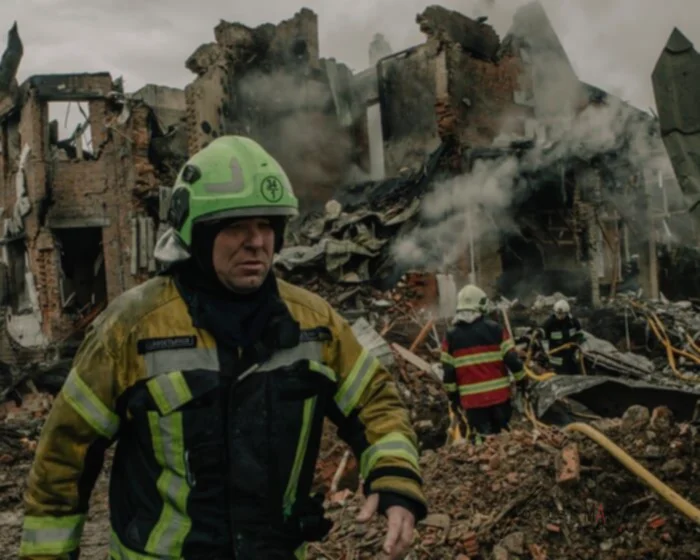
Russia has launched a series of missile attacks on Ukraine, targeting key infrastructure and military sites. The strikes have resulted in significant damage to Ukraine’s power grid and communication systems, plunging several regions into darkness. Reports from local authorities indicate that the attacks are among the most intense since the conflict began, with Ukrainian forces scrambling to defend against the barrage.
The Ukrainian Ministry of Defense has confirmed that the missiles targeted strategic locations, including air defense systems and military command centers. Civilian areas have also suffered collateral damage, raising alarms about the humanitarian impact of these attacks. As emergency services work tirelessly to restore power and provide aid to affected civilians, the international community watches with growing concern.
Hungary’s Threat to Block New EU Sanctions
Amidst the missile strikes, Hungary has issued a controversial statement threatening to block new EU sanctions against Russia. Hungarian Prime Minister Viktor Orbán has been vocal about his opposition to further sanctions, citing economic concerns and the need for dialogue rather than punitive measures. This stance has placed Hungary at odds with other EU member states, who are pushing for a united front against Russian aggression.
The Hungarian government argues that additional sanctions could have unintended consequences for European economies, particularly in the energy sector. With Europe already grappling with energy shortages and rising prices, Hungary’s position has sparked a contentious debate within the EU. Critics accuse Hungary of undermining efforts to hold Russia accountable, while supporters argue that diplomatic engagement is the only viable path to peace.
Russia Fires Missiles at Ukraine: A Strategic Move or Desperation?
Russia’s decision to fire missiles at Ukraine is being analyzed by military experts and political analysts worldwide. Some view the move as a strategic attempt to weaken Ukraine’s defenses and assert dominance in the region. Others interpret the attacks as a sign of desperation, suggesting that Russia may be struggling to maintain momentum in its military campaign.
The timing of the missile strikes, coinciding with Hungary’s EU sanctions threat, has led to speculation about Russia’s intentions. By escalating the violence, Russia may be attempting to pressure the EU into reconsidering its stance on sanctions. Alternatively, the missile strikes could be a message to Ukraine and its allies, demonstrating Russia’s willingness to use force to achieve its objectives.
International Reactions and Diplomatic Efforts
The international response to the missile strikes has been swift and condemnatory. The United States, the United Kingdom, and other NATO members have issued strong statements condemning Russia’s actions and calling for an immediate cessation of hostilities. The United Nations Security Council is expected to convene an emergency session to address the escalating conflict and explore potential diplomatic solutions.
Diplomatic efforts are also underway to de-escalate the situation and bring about a ceasefire. High-level talks between Russian and Ukrainian officials have been proposed, with the aim of finding common ground and halting further attacks. The role of international mediators, such as the Organization for Security and Co-operation in Europe (OSCE), is being emphasized as crucial in facilitating dialogue between the warring parties.
The Humanitarian Impact of the Conflict
As Russia fires missiles at Ukraine, the humanitarian situation in the affected regions continues to deteriorate. Thousands of civilians have been displaced, seeking refuge in neighboring countries or safer areas within Ukraine. The influx of refugees has placed additional strain on humanitarian organizations, which are working to provide food, shelter, and medical assistance to those in need.
The destruction of infrastructure has also disrupted essential services, including healthcare and education, compounding the challenges faced by civilians. The international community is being urged to increase humanitarian aid and support efforts to alleviate the suffering of those caught in the crossfire. Human rights organizations are calling for an independent investigation into potential war crimes, emphasizing the need for accountability and justice.
Assessing the Long-term Implications
The long-term implications of Russia’s missile strikes on Ukraine are yet to be fully understood. The conflict has already had a profound impact on global geopolitics, reshaping alliances and prompting a reevaluation of security strategies. The potential for further escalation remains a concern, with the risk of drawing neighboring countries into the conflict.
The economic repercussions are also significant, as the ongoing hostilities disrupt trade and investment in the region. The energy sector, in particular, is vulnerable, with potential knock-on effects for global energy markets. Policymakers and industry leaders are closely monitoring the situation, preparing for potential scenarios that could affect supply chains and economic stability.
The Role of Media in the Conflict
In the midst of the conflict, the role of media has come into sharp focus. As Russia fires missiles at Ukraine, journalists on the ground face immense challenges in reporting accurate and timely information. The proliferation of misinformation and propaganda adds complexity to the task, as media outlets strive to provide balanced coverage in a highly polarized environment.
Social media platforms have become battlegrounds for competing narratives, with both sides seeking to influence public opinion and rally support for their respective causes. The importance of credible journalism and fact-checking has never been more critical, as audiences worldwide rely on media to understand the evolving situation and its broader implications.
Future Prospects for Peace
The path to peace remains uncertain as Russia continues its military offensive against Ukraine. Despite the daunting challenges, there is hope that diplomatic efforts will eventually yield a resolution. The international community is being urged to intensify negotiations and leverage diplomatic channels to broker a ceasefire and pave the way for a lasting peace agreement.
The resilience and determination of the Ukrainian people, coupled with international solidarity, serve as a reminder of the human spirit’s capacity to endure and overcome adversity. As the world watches the unfolding conflict, the pursuit of peace remains a shared goal, one that requires collective action and unwavering commitment to dialogue and reconciliation.