Economists Urge Halt to Sri Lanka Debt Payments After Cyclone
Economists worldwide are calling for a halt to Sri Lanka’s debt repayments as the country grapples with the aftermath of a devastating cyclone. The natural disaster has exacerbated the already fragile economic situation in Sri Lanka, prompting analysts to advocate for a temporary suspension of debt obligations. This move, they argue, would allow the nation to redirect resources towards recovery and rebuilding efforts. The call for a Sri Lanka debt repayments halt has sparked a global conversation about the responsibilities of creditor nations and international financial institutions during times of crisis.
Cyclone’s Destructive Path Leaves Sri Lanka Reeling
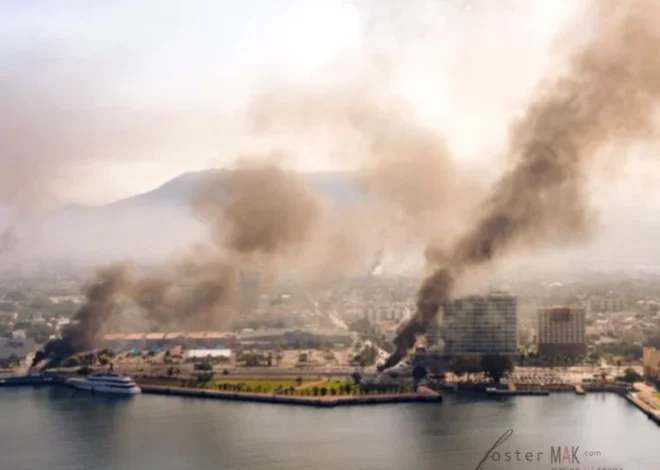
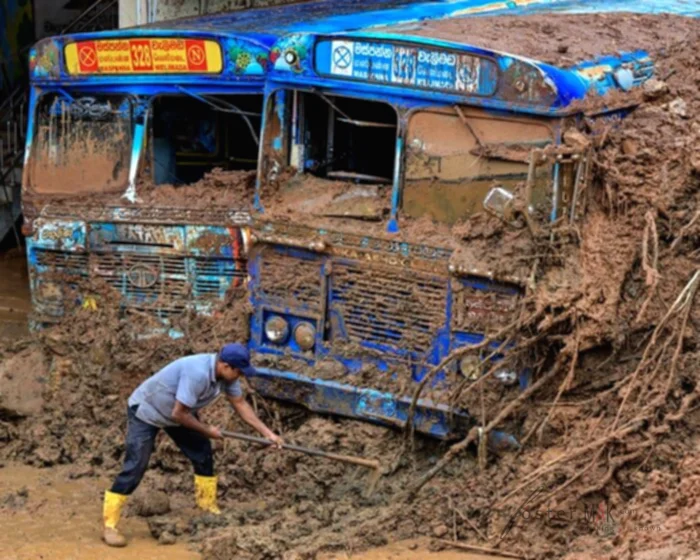
The cyclone that hit Sri Lanka last week has left a trail of destruction across the island nation. Heavy rains and winds exceeding 120 kilometers per hour have caused severe flooding, landslides, and infrastructure damage. The catastrophe has displaced thousands of families and claimed hundreds of lives. According to government estimates, the economic damage could surpass one billion dollars, further straining the country’s financial resources.
As emergency response teams continue to work around the clock, the immediate focus remains on providing relief to affected communities. Shelters have been set up, and aid is being distributed, but the scale of the disaster has overwhelmed local capacities. Humanitarian agencies are calling for international assistance to meet the urgent needs of those impacted by the cyclone.
Economic Strain Worsened by Natural Disaster
The cyclone’s timing could not have been worse for Sri Lanka. The country has been wrestling with severe economic challenges for several years, including a balance of payments crisis, high inflation, and a depreciating currency. The economic strain has been compounded by the COVID-19 pandemic, which devastated the tourism sector—a primary source of foreign exchange for the island nation.
With the cyclone wreaking havoc on infrastructure and livelihoods, economists are warning of an impending economic crisis. The destruction of agricultural lands and disruption of supply chains are expected to lead to significant food shortages and further drive up inflation.
In this context, economists are urging the Sri Lankan government to prioritize recovery efforts over debt repayments.
A halt on debt payments would provide the fiscal space needed to address the immediate needs of the population and begin the long process of rebuilding,
says Dr. Ranjith Perera, an economist at the University of Colombo.
Calls for a Temporary Sri Lanka Debt Repayments Halt
The call for a Sri Lanka debt repayments halt has gained traction among international economists and policy experts. Many argue that creditor nations and financial institutions have a moral obligation to support countries in distress, especially in the wake of natural disasters.
Dr. Michael Roberts, a senior economist at the World Economic Forum, emphasizes the importance of a coordinated global response.
Suspending debt payments would not only provide immediate relief but also send a strong signal of solidarity with Sri Lanka. This is a critical time for the global community to demonstrate its commitment to sustainable development and humanitarian principles,
he asserts.
The International Monetary Fund (IMF) and the World Bank have been urged to take a leading role in facilitating discussions between Sri Lanka and its creditors. Experts suggest that an agreement on a temporary suspension of debt payments could be reached through multilateral negotiations.
The Role of International Financial Institutions
The involvement of international financial institutions is seen as crucial in mediating an agreement on debt relief. The IMF and World Bank have historically played significant roles in providing financial assistance and restructuring debt for countries in crisis. However, the effectiveness of such interventions often depends on the willingness of creditor nations to participate in debt relief initiatives.
Analysts point to previous instances where international financial institutions have successfully brokered debt suspension agreements, such as during the aftermath of the 2004 Indian Ocean tsunami. In that case, affected countries received temporary relief from debt obligations, allowing them to focus on rebuilding efforts.
Economists are advocating for a similar approach in Sri Lanka’s case, emphasizing that the current situation presents an opportunity for international financial institutions to reaffirm their commitment to global economic stability and humanitarian aid.
Balancing Debt Obligations and Humanitarian Needs
The debate over halting Sri Lanka’s debt repayments underscores the broader issue of balancing financial obligations with humanitarian needs. While some critics argue that suspending debt payments could undermine fiscal discipline and investor confidence, proponents assert that the immediate priority should be the welfare of the Sri Lankan people.
Dr. Asha Senanayake, a financial analyst based in Colombo, argues that the long-term economic stability of Sri Lanka is contingent upon its ability to recover from the cyclone.
The focus should be on restoring livelihoods and rebuilding critical infrastructure. Debt repayment can wait until the country’s economy is back on its feet,
she maintains.
This perspective is echoed by many humanitarian organizations, which stress the importance of addressing the urgent needs of affected communities. With thousands of families still without shelter and basic necessities, the emphasis is on providing immediate relief and support.
A Global Call to Action
The call for a halt to Sri Lanka’s debt repayments has resonated globally, with several countries and international organizations expressing their support. The United Nations has issued a statement urging creditors to consider the humanitarian impact of debt repayments and explore options for temporary relief.
The global response to the crisis in Sri Lanka could set a precedent for how the international community addresses similar situations in the future. As the world grapples with the increasing frequency and intensity of natural disasters, the need for a coordinated and compassionate approach to debt relief becomes ever more pressing.
The ongoing discussions around Sri Lanka’s debt situation highlight the complex interplay between economic policy and humanitarian considerations. While the path forward remains uncertain, the call for a debt repayments halt represents a critical moment for international cooperation and solidarity.