UK Inaction Over Israels West Bank Sparks Bishop Outcry
In recent months, UK inaction over Israel’s West Bank has drawn increasing criticism from religious and political figures. The lack of a decisive stance from the United Kingdom on the escalating tensions and developments in the West Bank has led to a significant outcry, most notably from prominent bishops within the Church of England. This has become a focal point in international discussions on the policy and ethical responsibilities of the UK in the Middle East.
Bishops Call for Moral Leadership
Several bishops have voiced their concerns over what they perceive as a moral and ethical failure by the UK government. Their appeals emphasize the need for British leadership to advocate for justice and peace in the region. The bishops argue that the UK, with its historical ties and influence in the Middle East, has a duty to play a more proactive role in addressing the ongoing conflict between Israel and Palestine.
The Bishop of Southwark, Christopher Chessun, has been particularly vocal. In a recent statement, he expressed deep concern over the UK’s passive stance, urging the government to take a firmer position against actions in the West Bank that he believes violate international law and human rights. He highlighted the importance of the UK using its diplomatic channels to push for a peaceful resolution and to prevent further escalation of violence.
Historical Context of UK’s Position
The UK’s relationship with the region is deeply rooted in its colonial past. Following the end of World War I, Britain assumed control over Palestine under a League of Nations mandate. This historical involvement has left a lingering expectation for Britain to continue playing a role in seeking solutions to the conflict. However, in recent decades, the UK’s influence has waned, with successive governments opting for a more cautious diplomatic approach.
Critics argue that this hesitancy has contributed to a lack of progress and exacerbated tensions in the West Bank. The UK’s official stance has been to support a two-state solution, yet its actions are perceived as insufficient to bring about meaningful change. The bishops’ outcry highlights a growing frustration with the perceived gap between the UK’s stated policy and its actual engagement on the ground.
UK Inaction Over Israel’s West Bank: Political Reactions
The UK inaction over Israel’s West Bank has not only drawn criticism from religious leaders but has also sparked debate among political figures. Members of Parliament from various parties have raised concerns about the UK’s current policy, calling for more assertive measures. Some MPs have suggested that the UK should impose sanctions or support international resolutions condemning settlement expansions in the West Bank.
The debate has also reached the corridors of Westminster, with questions being raised about the effectiveness of the UK’s diplomatic efforts in the region. Foreign Secretary James Cleverly has faced scrutiny over the government’s approach, defending the UK’s commitment to a peaceful resolution while acknowledging the complexities of the situation. Critics, however, remain unconvinced, urging the government to match its rhetoric with concrete action.
International Perspectives on the UK’s Role
The issue of UK inaction over Israel’s West Bank extends beyond domestic debates, capturing the attention of the international community. The UK is seen as a key player in the Middle East peace process due to its historical ties and permanent seat on the United Nations Security Council. International observers have noted that the UK’s stance could significantly influence the dynamics of diplomatic negotiations.
European allies have expressed a desire for the UK to align more closely with the European Union’s approach, which has been to issue strong condemnations of settlement activities and advocate for the rights of Palestinians. The Biden administration in the United States has similarly encouraged the UK to take a more active role, emphasizing the need for a united front among Western allies in addressing the conflict.
Human Rights Concerns and the Bishop’s Advocacy
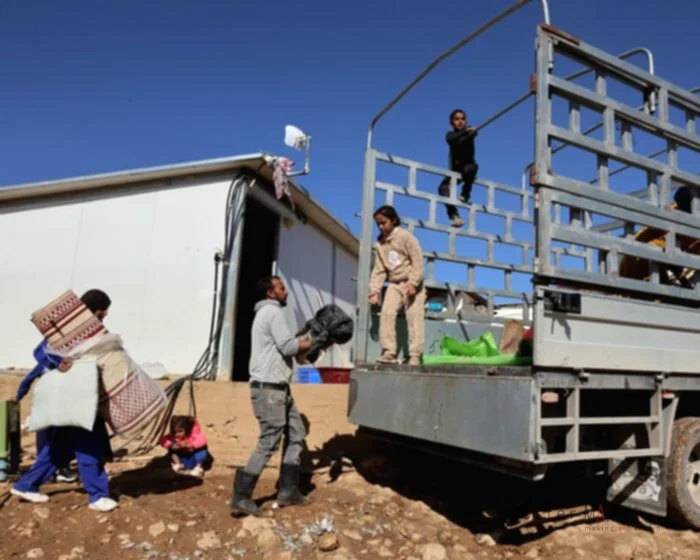
Human rights organizations have long raised alarms about the situation in the West Bank, particularly concerning the expansion of Israeli settlements and their impact on Palestinian communities. The bishops’ advocacy aligns with these concerns, highlighting the ethical implications of the UK’s inaction. They argue that the UK has an obligation to uphold international law and protect human rights through its foreign policy.
The bishops’ statements have brought renewed attention to these issues, prompting calls for the UK government to reconsider its stance. Religious leaders have emphasized the humanitarian aspect of the conflict, urging the UK to prioritize the protection of vulnerable populations and to work towards a just and lasting peace.
UK Inaction Over Israel’s West Bank: Impact on UK-Israel Relations
The issue of UK inaction over Israel’s West Bank also has implications for UK-Israel relations. While the UK has historically been a strong ally of Israel, the current tensions have the potential to strain diplomatic ties. The UK’s cautious approach has been interpreted by some as a lack of support for Israel, leading to concerns about the future of bilateral relations.
Israel has consistently emphasized its security concerns and its right to self-defense. However, the expansion of settlements in the West Bank has been a contentious issue, with many in the international community viewing it as a barrier to peace. The UK’s position on this matter is seen as a litmus test for its broader foreign policy objectives in the Middle East.
The Path Forward for UK Policy
As the debate over UK inaction over Israel’s West Bank continues, questions remain about the future direction of UK policy. There is a growing call for the government to reassess its approach and to engage more actively in efforts to resolve the conflict. This includes potential diplomatic initiatives, increased support for humanitarian efforts, and collaboration with international partners to advance peace negotiations.
The bishops’ outcry serves as a reminder of the moral and ethical dimensions of foreign policy decisions. As the UK grapples with its role in the Middle East, the voices of religious and political leaders alike underscore the urgent need for action. The challenge for the UK government will be to balance its historical responsibilities with the complex realities of the current geopolitical landscape.