US Boards Second Oil Tanker After Venezuelan Raid Escape
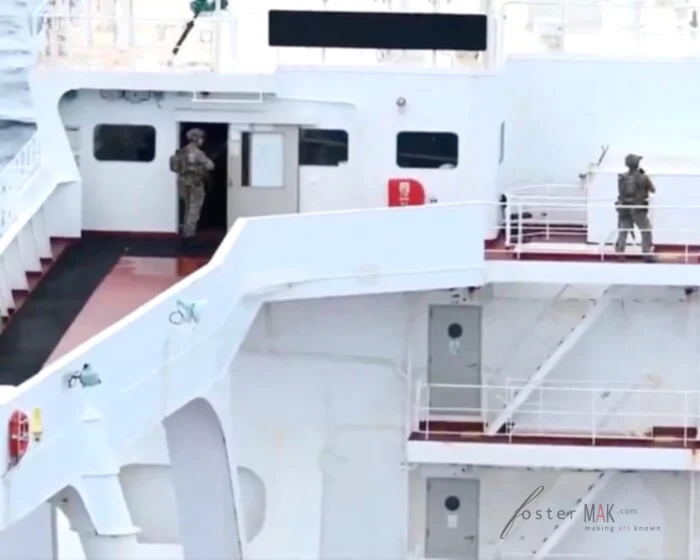
In a dramatic turn of events, the US boards second oil tanker this week following a harrowing escape from Venezuelan waters. The operation was conducted by US authorities in the midst of escalating tensions between the United States and Venezuela, shining a spotlight on the complexities of international maritime law and the geopolitical strife surrounding oil transportation. This action underscores the American commitment to securing its interests in the region, amid a backdrop of diplomatic friction and economic sanctions.
Tensions in the Caribbean Sea
The geopolitical landscape of the Caribbean Sea has become increasingly volatile, driven by a series of confrontations and diplomatic standoffs. The region, which serves as a crucial node in global oil transportation, has seen heightened military activity and surveillance. The presence of US naval forces has increased as they seek to protect international shipping lanes from interference and ensure compliance with sanctions imposed on Venezuela.
Venezuelan authorities continue to accuse the United States of interference and aggression. In response, the US has justified its operations as necessary to safeguard maritime security and uphold international law. The seizure of the second oil tanker is emblematic of these tensions, as both nations grapple for control and influence over vital resources and strategic waterways.
US Boards Second Oil Tanker: A Strategic Move
The decision to board a second oil tanker comes on the heels of a daring escape by another vessel from Venezuelan waters. The US Navy’s intervention was swift and precise, highlighting the strategic importance of these operations. Officials have stated that the boarding was executed under the framework of international maritime law, with the objective of preventing illegal transport of oil from sanctioned entities.
This move is seen as part of a broader strategy to cut off illicit revenue streams to the Venezuelan government, which has been under stringent US sanctions. The implications of these actions are profound, affecting not only Venezuela’s economy but also the global oil market, as supply routes face potential disruptions.
Legal and Diplomatic Complications
The boarding of the second oil tanker raises important legal and diplomatic questions. Under international law, boarding operations in international waters require adherence to specific protocols and justifications. The US has maintained that its actions are compliant with these laws, citing security concerns and the enforcement of sanctions.
However, Venezuela has condemned the operations as violations of its sovereignty, threatening to escalate the situation further. The diplomatic fallout from these events could potentially strain relations between the US and other countries sympathetic to Venezuela’s plight, complicating efforts to form a cohesive international response to the crisis.
The Impact on Global Oil Markets
The global oil market has responded to the news of the US boards second oil tanker with heightened volatility. Traders and analysts are closely monitoring the situation, as uncertainties about the stability of supply routes could impact oil prices. Any disruption in the transportation of oil in the Caribbean Sea could have far-reaching consequences, affecting not just the countries directly involved but also global supply chains.
Market analysts predict that if tensions continue to escalate, oil prices could see significant fluctuations. This instability is compounded by existing challenges in the energy sector, including the transition to renewable energy sources and the ongoing impact of the COVID-19 pandemic on global demand.
Reactions from the International Community
The international community has been swift to react to the unfolding situation. Countries with vested interests in the region are calling for restraint and dialogue to de-escalate tensions. The United Nations has urged both the US and Venezuela to seek diplomatic solutions and respect international maritime laws to prevent further conflict.
Allies of the US, including several European nations, have expressed support for the enforcement of sanctions, while advocating for a peaceful resolution. Meanwhile, countries aligned with Venezuela, such as Russia and China, have criticized the US actions, accusing it of exacerbating tensions and undermining the sovereignty of nations.
Navigating the Complexities of Sanctions
The US boards second oil tanker as part of a broader effort to enforce sanctions against Venezuela. These sanctions have been a cornerstone of US foreign policy, aimed at pressuring the Venezuelan government to enact democratic reforms and address human rights violations. However, the effectiveness and humanitarian impact of these sanctions remain a subject of debate.
Critics argue that sanctions disproportionately affect the Venezuelan populace, exacerbating economic hardships and limiting access to essential goods. Proponents, on the other hand, assert that sanctions are a necessary tool to compel change and uphold international norms.
Future of US-Venezuela Relations
The boarding of the second oil tanker is a pivotal moment in the complex relationship between the US and Venezuela. It reflects the broader geopolitical struggle for influence in Latin America and the Caribbean. As both nations navigate this tense period, the potential for diplomatic engagement or further confrontation hangs in the balance.
Future interactions will likely hinge on the ability of both countries to manage their differences and seek avenues for dialogue. The international community’s role in mediating the conflict and supporting peaceful resolutions is crucial to averting a deeper crisis.
Conclusion
The US boards second oil tanker in a move that underscores the intricate interplay of law, diplomacy, and strategy in international waters. As the world watches, the actions taken in the Caribbean Sea will have significant ramifications for global oil markets, regional stability, and the future of US-Venezuelan relations. The unfolding situation remains a testament to the complexities of modern geopolitics and the enduring challenges of securing international maritime routes.