
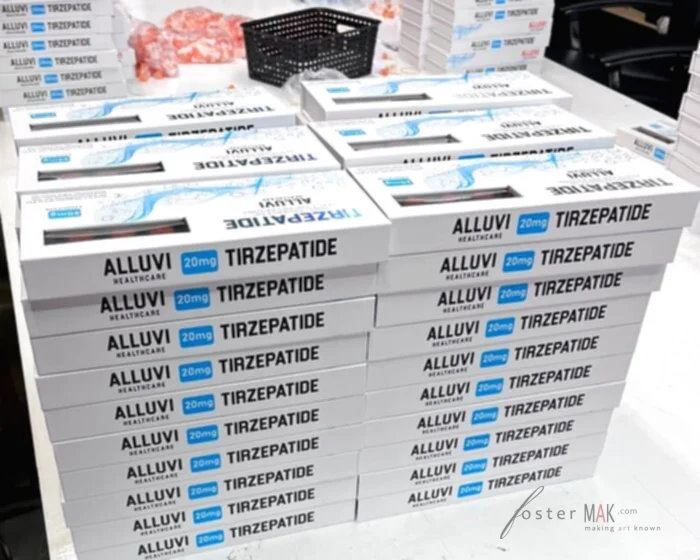
UK Warns Dont Buy Weight-Loss Jabs from Social Media Channels
In recent weeks, a growing concern has emerged around the proliferation of weight-loss jabs from social media platforms. The Medicines and Healthcare products Regulatory Agency (MHRA) in the UK has issued a stern warning to the public against purchasing these products from unverified sources. As social media continues to be a dominant force in shaping consumer behaviour, the rise of these unauthorized weight-loss solutions poses significant health risks.
Surge in Demand for Quick-Fix Solutions
The allure of quick and easy weight-loss solutions has always been strong. In an age where social media influencers can reach millions, the appeal of weight-loss jabs has surged dramatically. These injections, often marketed as miracle solutions for shedding pounds quickly, have caught the attention of those seeking to lose weight without the effort of traditional diet and exercise. The MHRA has noted a marked increase in the number of people buying these products without medical consultation or prescription.
The marketing strategies used on social media platforms often include endorsements from influencers who may not have the necessary medical knowledge to safely promote such products. These endorsements can create a false sense of security among consumers, leading them to believe that the weight-loss jabs are safe and effective. However, without proper regulation and testing, these products can pose severe health risks.
Health Risks Associated with Unauthorized Jabs
One of the primary concerns raised by health experts is the lack of regulation surrounding the sale of weight-loss jabs from social media. Many of these products are not approved by medical authorities and lack the necessary clinical testing to ensure their safety and efficacy. This absence of oversight can lead to consumers injecting substances that may contain harmful or unknown ingredients.
Doctors have reported cases where individuals experienced adverse reactions after using these unregulated products. Side effects can range from mild allergic reactions to more severe consequences such as infections or systemic health issues. The MHRA has emphasized that weight-loss jabs should only be administered under the supervision of a qualified healthcare professional who can assess individual health needs and potential risks.
The Role of Influencers in Promoting Weight-Loss Jabs
Social media influencers play a significant role in the promotion of weight-loss jabs from social media. With their vast followings, these individuals have the power to influence consumer behaviour on a large scale. Many influencers are approached by companies to promote their products, often receiving compensation in return. This relationship can create a conflict of interest, as influencers may prioritize financial gain over the well-being of their audience.
The MHRA has called upon influencers to exercise responsibility and due diligence when endorsing health-related products. It is crucial for influencers to verify the legitimacy of the products they promote and to provide transparent information about potential risks. Failure to do so can contribute to the spread of misinformation and put their followers’ health at risk.
Regulatory Challenges in the Digital Age
The rise of weight-loss jabs from social media highlights the broader challenge regulators face in the digital age. Unlike traditional retail environments, online platforms offer a level of anonymity and global reach that can complicate enforcement efforts. The MHRA and other regulatory bodies are working to develop strategies to effectively monitor and control the sale of unauthorized products online.
One approach is to collaborate with social media companies to identify and remove posts that promote unregulated weight-loss jabs. Additionally, regulators are exploring the use of technology to track and trace the distribution of these products. By harnessing data analytics and artificial intelligence, authorities aim to identify patterns and intervene before potentially harmful products reach consumers.
Consumer Education and Awareness
Educating the public about the dangers of purchasing weight-loss jabs from social media is a critical component of the MHRA’s strategy. The agency is launching campaigns to raise awareness about the risks associated with these products and to encourage consumers to seek medical advice before considering any weight-loss treatment. By promoting informed decision-making, the MHRA hopes to reduce the demand for unauthorized jabs and protect public health.
Healthcare professionals are also being urged to engage in conversations with their patients about the potential dangers of using unregulated weight-loss solutions. By fostering an open dialogue, doctors can help dispel myths and provide evidence-based recommendations for safe and effective weight management.
The Future of Weight-Loss Solutions
As the demand for weight-loss solutions continues to grow, the need for safe and effective options becomes increasingly important. Researchers and pharmaceutical companies are investing in the development of new treatments that can offer sustainable results without compromising health. These innovations must undergo rigorous testing and receive approval from medical authorities before being made available to the public.
In the meantime, the MHRA remains vigilant in its efforts to protect consumers from the risks associated with weight-loss jabs from social media. By working with industry stakeholders, regulators, and the public, the agency aims to create a safer environment for individuals seeking to improve their health and well-being.