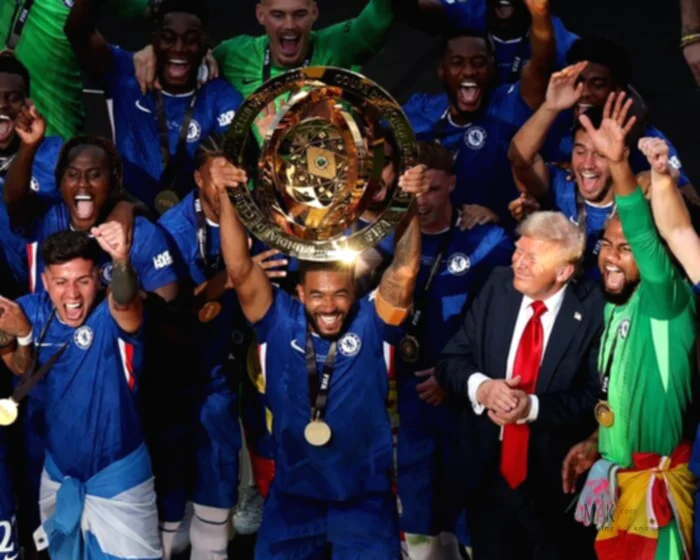
Clubs Demand Answers on Club World Cup Money Delays from FIFA
In a growing controversy that has captured the attention of the global football community, several top football clubs are seeking explanations from FIFA regarding the delayed distribution of funds associated with the Club World Cup money distribution. This delay has caused financial uncertainty for clubs that were counting on these funds to bolster their budgets, leading to increasingly vocal demands for transparency and accountability from the world football governing body.
Financial Uncertainty for Clubs
Football clubs around the world are expressing their frustration over the delayed distribution of funds from the Club World Cup. The financial implications are significant, as many clubs rely on these funds to balance their budgets, invest in player acquisitions, and maintain operational stability. The delay is particularly concerning for clubs that participated in the tournament with the expectation of receiving timely financial compensation.
The Club World Cup money distribution is a critical component of the tournament’s appeal to participating clubs, offering a financial incentive that can make a substantial difference in their fiscal planning. Without these funds, clubs face the prospect of revisiting their financial strategies, potentially leading to cutbacks or deferrals in planned investments.
FIFA’s Official Response
FIFA has issued a statement acknowledging the delays in the distribution of funds and attributing them to unforeseen administrative challenges. According to the organization, efforts are underway to expedite the process and ensure that clubs receive their due payments as quickly as possible. However, FIFA has not provided a specific timeline for when clubs can expect to receive the funds, leaving many clubs in a state of uncertainty.
The lack of a definitive timeline has done little to assuage clubs’ concerns. Many are calling for a more detailed explanation and a commitment to avoiding similar delays in future tournaments. The clubs are urging FIFA to implement more robust financial management and communication practices to prevent such issues from arising again.
Club World Cup Money Distribution: The Core of the Dispute
At the heart of the issue is the Club World Cup money distribution, a system designed to allocate funds to participating clubs based on their performance in the tournament. Historically, this distribution has been a significant source of revenue for clubs, especially those from regions with less lucrative domestic leagues. The funds are intended to reward clubs for their participation and success in the tournament, providing them with the financial means to continue competing at a high level.
The current delays have sparked concerns about the transparency and efficiency of the distribution system. Clubs are demanding a review of the process to ensure that future distributions are handled more effectively. There is a growing sentiment among club executives that FIFA needs to prioritize the timely and transparent handling of financial matters to maintain trust among its stakeholders.
Clubs’ Demands for Transparency
In response to the ongoing delays, clubs are calling for greater transparency from FIFA regarding the distribution process. They argue that clearer communication about the status of funds and the challenges causing delays would help manage expectations and mitigate financial planning disruptions. Furthermore, clubs are advocating for the establishment of a more predictable and reliable distribution schedule that aligns with their fiscal calendars.
Some clubs are also pushing for the creation of an independent oversight body to monitor FIFA’s financial practices. This body would be responsible for ensuring that funds are distributed efficiently and transparently, providing an additional layer of accountability for the organization. The proposal has garnered support from several high-profile clubs, who see it as a necessary step to restore confidence in FIFA’s financial management.
Impact on Smaller Clubs
While all participating clubs are affected by the delay, smaller clubs are particularly vulnerable. For these clubs, the Club World Cup money distribution represents a vital financial lifeline that supports their operations and development. Without timely access to these funds, smaller clubs may struggle to meet their financial obligations, leading to potential cutbacks and operational challenges.
The financial strain on smaller clubs could have broader implications for the competitive balance of the tournament. If delays in fund distribution persist, it may deter smaller clubs from participating in future tournaments, reducing the diversity and competitiveness of the Club World Cup. This potential outcome underscores the importance of addressing the current issues to preserve the tournament’s integrity and appeal.
The Role of Sponsorship and Broadcasting Deals
Another factor contributing to the financial dynamics of the Club World Cup is the role of sponsorship and broadcasting deals. These agreements are essential for generating the revenue needed to support the tournament and distribute funds to participating clubs. However, delays in finalizing these deals can also impact the timeliness of fund distribution.
FIFA has acknowledged the challenges associated with securing sponsorship and broadcasting agreements in the current economic climate. The organization is actively working to negotiate deals that will provide the necessary financial backing for the tournament. Clubs are urging FIFA to expedite these negotiations to ensure that funds are available for timely distribution.
Looking Ahead: Expectations for Resolution
As clubs continue to press for answers, the football community is closely watching how FIFA will address the delays in Club World Cup money distribution. The outcome of this situation will have significant implications for the relationship between FIFA and the clubs, as well as the financial stability of participating teams.
In the meantime, clubs are left grappling with the uncertainty of when they will receive their due payments. This uncertainty is prompting some clubs to explore alternative funding sources to bridge the gap, while others are considering adjustments to their financial strategies to accommodate the delay.
The resolution of the current delays will serve as a critical test of FIFA’s ability to manage financial matters effectively and maintain trust among its stakeholders. As the situation unfolds, clubs and fans alike will be watching closely to see how FIFA responds to the growing calls for transparency and accountability.