OpenAI Showdown Musk v Altman in Tech Bros Clash
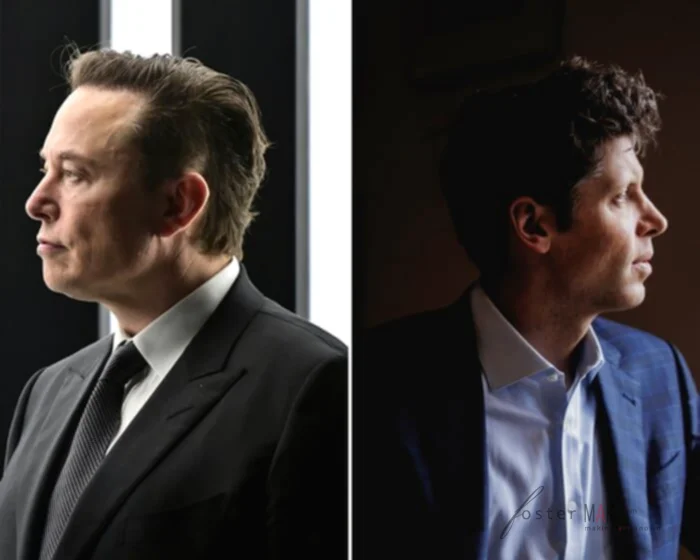
In a tech world often dominated by innovation and collaboration, the rivalry between Elon Musk and Sam Altman has taken center stage. The Musk v Altman tech bros saga offers a glimpse into the dynamics of Silicon Valley, where ambition and vision sometimes collide. The tension between these two prominent figures offers an insight into the current and future landscape of artificial intelligence development.
A Tale of Two Titans
Elon Musk and Sam Altman are no strangers to the tech industry. Musk, the CEO of Tesla and SpaceX, is known for his audacious plans to colonize Mars and revolutionize transportation. Altman, the former president of Y Combinator and current CEO of OpenAI, has made significant strides in the field of artificial intelligence. Together, they exemplify the daring spirit of Silicon Valley, yet their approaches to technology and leadership have put them on a collision course.
Musk’s interest in AI has been well-documented. He has repeatedly expressed concerns about the potential dangers of AI, going so far as to call it humanity’s greatest existential threat. In contrast, Altman has positioned OpenAI as a leader in the responsible development of artificial intelligence, focusing on ensuring that AI benefits all of humanity. This divergence in philosophy has been a significant point of contention between the two.
The Origins of OpenAI
OpenAI was founded in December 2015 with the mission to ensure that artificial general intelligence benefits all of humanity. Musk was one of the initial co-founders and investors, alongside Altman, Greg Brockman, Ilya Sutskever, Wojciech Zaremba, and John Schulman. The organization was established as a non-profit with an initial funding of $1 billion, with Musk contributing a substantial portion.
The goal was to create an open and collaborative environment where researchers could work on AI projects without the constraints of corporate interests. However, as the organization grew, differences in vision and strategy began to emerge between Musk and Altman. These differences would eventually lead to Musk’s departure from the board in 2018.
Musk v Altman Tech Bros Showdown
The Musk v Altman tech bros clash has been fueled by disagreements over the direction of OpenAI and the ethical implications of AI development. Musk has been vocal about his concerns that OpenAI is straying from its original mission and becoming too focused on competing with tech giants like Google and Facebook. He has criticized the organization’s decision to transition from a non-profit to a
capped-profit
model, which allows it to attract more investment while still prioritizing its mission.
Altman, on the other hand, has defended the move as necessary to ensure the long-term sustainability of OpenAI. He has argued that the capped-profit model allows the organization to access the resources needed to compete at the highest level while maintaining its commitment to ethical AI development. This difference in perspective has been a significant factor in the ongoing tension between the two tech titans.
The Impact on AI Development
The Musk v Altman tech bros rivalry has had a significant impact on the development of artificial intelligence. Musk’s concerns about the potential dangers of AI have led him to invest in initiatives aimed at ensuring AI safety, such as the creation of Neuralink and the development of brain-machine interfaces. These ventures highlight Musk’s belief in the need for direct human control over AI.
Altman, meanwhile, has continued to push OpenAI towards developing cutting-edge AI technologies, such as the highly-publicized GPT series and other advanced machine learning models. These projects aim to demonstrate the potential of AI to improve various aspects of human life, from healthcare to education. While both Musk and Altman share a commitment to advancing technology, their differing views on how to achieve this goal have set them on divergent paths.
A Clash of Philosophies
The Musk v Altman tech bros conflict is emblematic of a broader philosophical debate within the tech industry about the role of artificial intelligence in society. Musk’s warnings about the potential dangers of AI reflect a cautious approach that emphasizes the need for oversight and regulation. He has advocated for proactive measures to ensure that AI development does not spiral out of control, potentially leading to catastrophic consequences.
Altman, in contrast, represents a more optimistic view of AI’s potential to create positive change. He believes that, with the right safeguards in place, AI can be a powerful force for good, addressing some of the world’s most pressing challenges. This optimism is evident in OpenAI’s mission to ensure that the benefits of AI are shared broadly across society.
The Broader Implications
The Musk v Altman tech bros rivalry has broader implications for the tech industry and society at large. It highlights the complex ethical considerations involved in developing and deploying AI technologies. As AI continues to advance at a rapid pace, the debate over its potential risks and benefits will only intensify.
The differing approaches of Musk and Altman also underscore the importance of leadership and vision in shaping the future of technology. Their clash serves as a reminder that even in an industry built on innovation and collaboration, differing views can lead to conflict and competition.
Navigating the Future of AI
As the Musk v Altman tech bros saga unfolds, the future of artificial intelligence remains uncertain. The rivalry between these two influential figures will likely continue to shape the conversation around AI development and its implications for society. With Musk advocating for caution and Altman championing the potential of AI, the tech industry is at a crossroads.
The decisions made by leaders like Musk and Altman will have far-reaching consequences for the development of AI and its impact on the world. As the debate continues, it is clear that the stakes are high, and the outcome will shape the future of technology for years to come.