
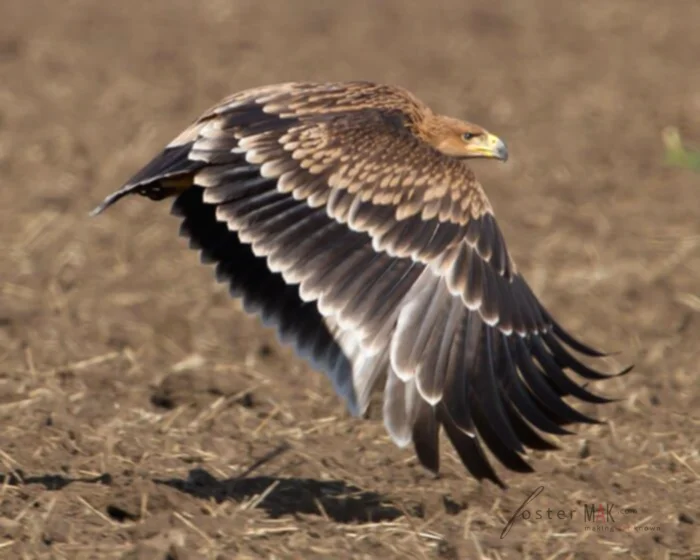
Serbia’s Imperial Eagles Defy Odds and Make a Remarkable Return
In a significant conservation success, Serbia’s imperial eagles are making a remarkable comeback after years of decline. These majestic birds, known for their impressive wingspan and regal appearance, have been the focus of a dedicated effort to restore their population. Once on the brink of local extinction, the resurgence of these eagles is a testament to the commitment and collaboration between conservationists, government agencies, and local communities.
The Plight of Serbia’s Imperial Eagles
Serbia’s imperial eagles have faced numerous challenges over the years. Historically, these birds were widespread across the region, but habitat loss, human encroachment, and illegal hunting significantly reduced their numbers. By the late 20th century, only a handful of breeding pairs remained, raising concerns about their future in the wild. The decline was further exacerbated by agricultural expansion and the use of pesticides, which decimated their prey base and polluted their habitats.
Conservationists recognized the urgent need for intervention to prevent the extinction of these iconic birds. Various initiatives were launched to address the threats facing the imperial eagles, with a focus on habitat restoration, public awareness campaigns, and stricter enforcement of wildlife protection laws. These efforts were crucial in laying the groundwork for the revival of the species in Serbia.
Collaborative Efforts in Conservation
The recovery of Serbia’s imperial eagles can be attributed to the collaborative efforts of multiple stakeholders. Conservation organizations such as the Bird Protection and Study Society of Serbia played a pivotal role in monitoring eagle populations and identifying critical habitats. Their research provided valuable insights into the eagles’ breeding patterns and migration routes, informing conservation strategies.
Government agencies also contributed by implementing policies that protected eagle habitats and restricted activities detrimental to their survival. The introduction of legal measures to curb poaching and regulate land use was instrumental in creating a safer environment for the eagles. Additionally, international partnerships brought in expertise and resources, helping to strengthen local conservation initiatives.
Community involvement emerged as a key component of the conservation strategy. Local communities were engaged through education and awareness programs that highlighted the ecological importance of the imperial eagles. By fostering a sense of pride and responsibility, these programs encouraged communities to actively participate in protecting the birds and their habitats.
Serbia’s Imperial Eagles: A Conservation Triumph
As a result of these concerted efforts, Serbia’s imperial eagles have made significant strides in their recovery. Recent surveys indicate a steady increase in the number of breeding pairs, signaling a positive trend for the species. The establishment of protected areas and the restoration of critical habitats have provided the eagles with safe breeding grounds and ample food supply.
The success of these initiatives is reflected in the growing number of sightings of imperial eagles across their historical range. Observers have reported healthy populations in regions where the eagles had previously disappeared, suggesting that the conservation measures are having a tangible impact. The resurgence of the eagles has also been bolstered by improved nesting success rates, attributed to the enhanced protection and management of their habitats.
Challenges and Future Prospects
Despite the positive developments, challenges remain in ensuring the long-term survival of Serbia’s imperial eagles. Habitat fragmentation and climate change pose ongoing threats that could disrupt the delicate balance needed for the eagles’ recovery. Continued vigilance and adaptive management strategies are necessary to mitigate these risks and sustain the progress made so far.
The role of technology in conservation is becoming increasingly important. Advances in satellite tracking and data analysis are providing valuable insights into the behavior and movements of the eagles. These tools enable conservationists to monitor the birds in real-time, identify potential threats, and implement timely interventions. By leveraging technology, conservationists can enhance their efforts to safeguard the eagles and ensure their continued resurgence.
Celebrating Success and Looking Ahead
The comeback of Serbia’s imperial eagles is a cause for celebration among conservationists and nature enthusiasts alike. It serves as a powerful reminder of what can be achieved through collaboration, dedication, and a shared commitment to protecting biodiversity. The successful recovery of these majestic birds has inspired similar conservation efforts for other threatened species in the region.
As the population of Serbia’s imperial eagles continues to grow, there is renewed hope for the future of these magnificent creatures. Their return to the skies is not only a testament to the resilience of nature but also a reflection of the positive impact that human intervention can have in conserving endangered species. By building on the successes achieved so far and addressing the challenges that remain, Serbia can ensure a thriving future for its imperial eagles and the ecosystems they inhabit.