Gas-fired Power for Centrica Safe Bet Amid Renewables Boom
In the midst of a global shift toward renewable energy, Centrica is doubling down on its gas-fired power operations. The decision to focus on gas-fired power for Centrica is seen as a strategic move that aligns with the company’s long-term goals and the current energy landscape. As renewable technologies continue to advance and become more cost-effective, Centrica is betting on natural gas as a transitional energy source that complements the intermittent nature of renewables. This strategy not only ensures energy security but also leverages existing infrastructure while preparing for a cleaner energy future.
Centrica’s Strategic Focus on Gas-fired Power
Centrica, a leading energy services and solutions provider, has long been a key player in the UK’s energy market. With a portfolio that spans across energy supply, services, and solutions, the company is known for its adaptability and strategic foresight. The decision to emphasize gas-fired power for Centrica is a calculated move aimed at balancing the need for reliable energy supply with environmental responsibilities.
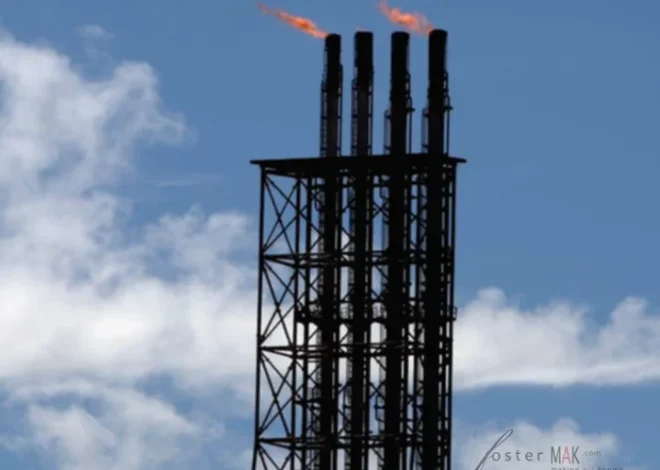
Gas-fired power plants are known for their ability to quickly ramp up and down in response to energy demand, making them an ideal partner for renewable sources like wind and solar. These characteristics are crucial for maintaining grid stability, particularly as the UK increases its reliance on renewables. Centrica’s investment in gas-fired power is also a recognition of the existing infrastructure and expertise that can be utilized to efficiently manage energy production.
The Role of Gas in Energy Transition
While the global energy sector is undergoing a significant transformation, natural gas remains a vital component of the energy mix. It acts as a bridge fuel, facilitating the transition from high-carbon coal to low-carbon renewables. Gas-fired power stations produce significantly lower emissions compared to coal-fired plants, making them a more environmentally friendly option during this transitional period.
For Centrica, gas-fired power not only provides a stable revenue stream but also supports the UK government’s commitment to reducing carbon emissions. The company recognizes the importance of balancing its environmental goals with the need for a reliable energy supply, and gas-fired power plants fit this dual mandate. By investing in modernizing and optimizing these facilities, Centrica is ensuring they remain efficient and competitive in the years to come.
Gas-fired Power for Centrica: An Operational Perspective
The operational advantages of gas-fired power for Centrica are numerous. These power plants offer operational flexibility, which is crucial in a market increasingly dominated by variable renewable energy sources. Gas plants can efficiently manage fluctuations in energy demand, providing a reliable backup when renewable output is low.
Moreover, Centrica’s expertise in gas-fired operations ensures that these plants are run efficiently and sustainably. The company is investing in advanced technologies to improve plant efficiency and reduce emissions further. Innovations such as combined cycle gas turbines (CCGT) are being deployed to enhance performance and environmental outcomes, reinforcing Centrica’s commitment to sustainable energy solutions.
Investment in Gas-fired Infrastructure
Centrica’s commitment to gas-fired power is evident in its ongoing investments in infrastructure and technology. The company is actively upgrading its existing gas-fired power plants to enhance their efficiency and reduce environmental impact. These upgrades involve implementing cutting-edge technologies that improve combustion efficiency and minimize emissions.
Additionally, Centrica is exploring opportunities to incorporate carbon capture and storage (CCS) technologies within its gas-fired operations. CCS can significantly reduce the carbon footprint of gas-fired power plants by capturing and storing CO2 emissions. This investment not only aligns with global trends toward decarbonization but also positions Centrica as a leader in sustainable energy practices.
Navigating Challenges in a Renewable-dominated Market
Despite the promising outlook, Centrica faces several challenges in maintaining its gas-fired power operations. The increasing penetration of renewables in the energy market is exerting downward pressure on wholesale electricity prices, affecting the profitability of gas-fired plants. Moreover, regulatory pressures and public opinion are increasingly skewed toward cleaner energy sources, posing potential risks to long-term operations.
However, Centrica is actively addressing these challenges through strategic planning and innovation. The company is focusing on optimizing the operational efficiency of its gas-fired plants to remain competitive. Additionally, Centrica is engaged in policy advocacy to ensure a balanced approach to energy transition, highlighting the importance of gas as a reliable backup to intermittent renewables.
The Future of Gas-fired Power for Centrica
Looking ahead, gas-fired power remains a crucial component of Centrica’s energy strategy. The company is committed to ensuring these operations are aligned with broader environmental goals and market dynamics. By continuing to invest in technology and infrastructure, Centrica aims to maintain its leadership position in the energy sector while supporting the UK’s transition to a low-carbon economy.
As Centrica navigates the evolving energy landscape, its focus on gas-fired power is a testament to the importance of balancing immediate energy needs with long-term sustainability goals. By harnessing the operational advantages of gas-fired power plants, Centrica is positioned to effectively support the UK’s energy transition while ensuring a reliable and secure energy supply for its customers.