Unlock Youth How Arts and Cultural Engagement Slow Ageing
In a world where the quest for eternal youth fuels a multi-billion-dollar industry, the answer to slowing the ageing process might not lie in expensive creams or invasive surgeries. Emerging research indicates that arts and cultural engagement may hold the key to maintaining vitality and youthfulness. This revelation is not just a boon for those seeking the fountain of youth but also poses intriguing implications for public health policy and community development.
The Science Behind Staying Young
Recent studies have shown that participating in arts and cultural activities can significantly impact the ageing process. Researchers have discovered that engaging in creative pursuits such as painting, music, theatre, and dance can enhance cognitive function, boost mental health, and improve overall well-being. These findings suggest that arts and cultural engagement could be a powerful tool in prolonging a youthful state, both mentally and physically.
One study conducted by the University College London found that older adults who participated in arts activities at least once a month had a 31 percent lower risk of developing depression. This reduction in depressive symptoms is crucial as mental health significantly affects physical health and longevity. Additionally, engaging in creative activities stimulates the brain, encouraging neuroplasticity which is the brain’s ability to adapt and reorganize itself. This is particularly beneficial as it can counteract the cognitive decline often associated with ageing.
Arts and Cultural Engagement: A Sociocultural Perspective
The role of arts and cultural engagement extends beyond the individual level, impacting society as a whole. Communities that foster rich cultural scenes tend to be more vibrant, cohesive, and resilient. These communities often experience lower crime rates and higher levels of civic participation. The arts can create a sense of belonging and identity, which is particularly important for older adults who may feel isolated or marginalized.
Cultural institutions such as museums, galleries, and theatres play a pivotal role in this engagement. They provide spaces for people to connect, learn, and share experiences. Many of these institutions are increasingly focusing on inclusive programming that caters to older adults. Initiatives such as art classes, dance workshops, and music therapy sessions are designed to be accessible and engaging for all age groups, encouraging lifelong participation in cultural activities.
The Role of Music and Dance in Healthy Ageing
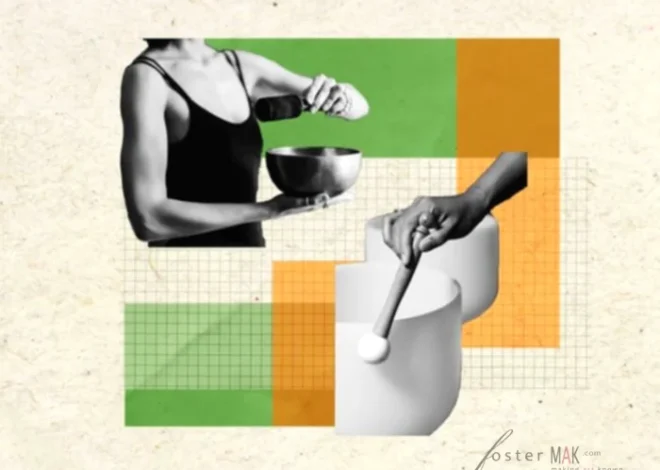
Music and dance are particularly effective forms of arts and cultural engagement when it comes to slowing the ageing process. The benefits of music are well-documented, with research indicating that playing an instrument or even listening to music can enhance memory, reduce stress, and improve mood. These effects are linked to the release of dopamine, a neurotransmitter associated with pleasure and reward.
Dance, on the other hand, combines physical activity with social interaction and creative expression. It is an excellent form of exercise that can improve cardiovascular health, increase muscle strength, and enhance balance and coordination. These physical benefits are complemented by the cognitive and emotional stimulation that dance provides, making it a holistic approach to healthy ageing.
How Visual Arts Can Transform Ageing Minds
Visual arts also play a crucial role in promoting cognitive health in older adults. Activities like painting, drawing, and sculpting require concentration, precision, and creativity, all of which engage different areas of the brain. This engagement helps maintain cognitive function and delay the onset of conditions such as dementia and Alzheimer’s disease.
Furthermore, creating art can be a therapeutic process, offering a means of expression and communication that transcends verbal language. For individuals who may struggle with traditional forms of communication due to age-related conditions, art provides an alternative way to connect with others and express their thoughts and feelings.
The Impact of Theatre and Literature
Theatre and literature are other forms of arts and cultural engagement that offer unique benefits to older adults. Attending theatrical performances or participating in drama groups can enhance empathy, improve social skills, and provide a sense of community. Theatre encourages active participation and collaboration, both of which are beneficial for mental and social health.
Literature, whether through reading or writing, stimulates imagination and critical thinking. It allows individuals to explore different perspectives and experiences, fostering empathy and understanding. Reading has been shown to reduce stress, improve sleep, and even extend lifespan by up to two years according to a study by Yale University.
Policy Implications and Future Directions
The evidence supporting the benefits of arts and cultural engagement in slowing the ageing process has significant implications for public policy and community planning. Governments and organizations are beginning to recognize the value of integrating arts into health and social care systems. Programs that encourage artistic expression and cultural participation are being developed to promote healthy ageing and enhance quality of life for older adults.
Investing in arts and cultural programs can yield long-term benefits, reducing healthcare costs and improving population health outcomes. As such, policymakers are encouraged to support initiatives that make arts and culture accessible to all, particularly older adults who stand to gain the most from these activities.
In conclusion, while the cosmetic and pharmaceutical industries continue to search for solutions to the ageing dilemma, arts and cultural engagement offer a more holistic and sustainable approach. By fostering creativity, community, and cognitive health, the arts have the potential to unlock the secret to a more youthful and fulfilling life.