Discover Britains and Irelands Stunning Wildflowers in Captivatin
In the lush and varied landscapes of Britain and Ireland, a vibrant tapestry of wildflowers paints a picture of natural beauty that has captivated botanists, nature enthusiasts, and casual observers alike. Britain and Ireland’s wildflowers are not only a testament to the rich biodiversity of these islands but also a crucial component of the ecosystem, providing sustenance and habitat to a wide range of wildlife. As the seasons change, so too does the palette of flowers, each with its own story and significance.
The Diverse Ecosystems of Britain and Ireland
Britain and Ireland are home to a wide range of ecosystems, each providing a unique environment for wildflowers to thrive. From the rugged cliffs of the Atlantic coast to the rolling hills of the countryside, these landscapes host an impressive variety of flora. The temperate climate, coupled with varied soil types, allows for a rich diversity of plant life that changes with the seasons.
In the spring, as the days lengthen and the temperatures rise, fields and meadows burst into color with bluebells, primroses, and violets. These early bloomers are often joined by orchids and other striking species, which take advantage of the brief but intense period of sunlight before trees fully leaf out. As summer progresses, the dry grasslands and heathlands come alive with the vibrant hues of poppies, cornflowers, and daisies.
Britain and Ireland’s Wildflowers: A Rich Heritage
The tradition of appreciating and documenting Britain and Ireland’s wildflowers can be traced back centuries. Botanists and naturalists have long been enchanted by the diversity found here, leading to detailed studies and cataloging efforts. This rich botanical heritage is preserved in the writings of early botanists and continues to be a field of active research and conservation.
Wildflowers in Britain and Ireland are more than just a pretty sight. They play a vital role in maintaining the health of ecosystems by providing food and habitat for pollinators like bees and butterflies. These insects, in turn, are crucial for the pollination of crops and other plants, making wildflowers an integral part of the agricultural landscape as well.
Iconic Wildflowers Across the Isles
Among the most recognizable of Britain and Ireland’s wildflowers is the bluebell, a symbol of spring that carpets ancient woodlands in a sea of blue. These delicate flowers are native to the British Isles and are a favorite among photographers and artists alike. Another iconic species is the foxglove, with its tall spikes of tubular flowers that add a splash of color to woodlands and hedgerows.
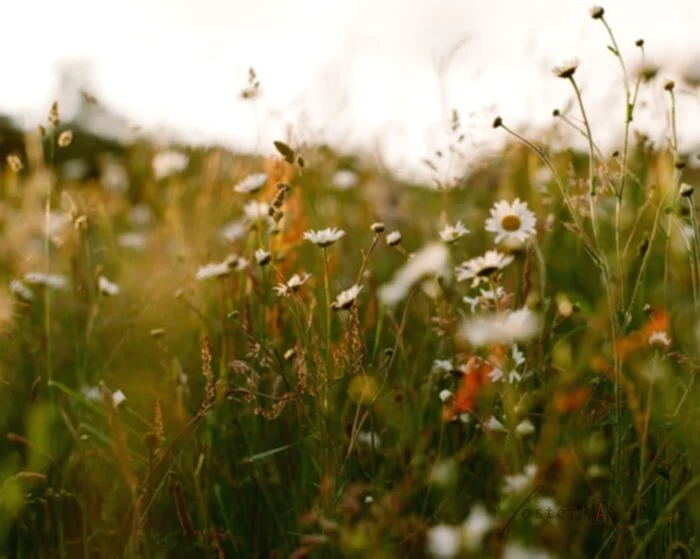
The meadows and pastures host an array of wildflowers such as the common poppy, known for its brilliant red petals, and the oxeye daisy, which brightens grasslands with its cheerful white blooms. In wetter areas, the marsh marigold and the yellow flag iris bring vibrant yellows to the landscape, thriving in the damp conditions of marshes and riverbanks.
Conservation Efforts and Challenges
Despite their beauty and ecological importance, Britain and Ireland’s wildflowers face numerous challenges. Habitat loss due to agricultural expansion, urban development, and climate change are significant threats to the survival of these native species. Conservation organizations and local communities are working tirelessly to protect and restore natural habitats.
Efforts include the creation of wildflower meadows, the restoration of degraded landscapes, and the promotion of sustainable land management practices. Public awareness campaigns and educational programs are also crucial in encouraging people to appreciate and protect these natural treasures. Many areas now host wildflower walks and events to educate the public about the importance of preserving these habitats.
Celebrating the Seasonal Blooms
Throughout the year, different regions host festivals and events that celebrate the blooming of wildflowers. These gatherings offer an opportunity for communities to come together and appreciate the natural beauty of their surroundings. In spring, bluebell walks are a popular activity, drawing visitors eager to witness the stunning displays of these flowers in their natural habitat.
Summer brings its own celebrations, with events highlighting the vibrant displays of poppies and cornflowers in fields and meadows. These festivals often include guided walks, workshops, and activities that aim to engage people of all ages in the appreciation and conservation of wildflowers.
The Role of Wildflowers in Culture and Tradition
Wildflowers have long held a place in the cultural traditions of Britain and Ireland. They have been used in folklore, medicine, and even cuisine. The use of wildflowers in traditional remedies and culinary dishes reflects a deep-rooted connection between people and the natural world.
In folklore, flowers like the primrose and the foxglove are associated with myths and legends, often believed to possess magical properties. These stories have been passed down through generations, adding to the rich tapestry of cultural heritage associated with wildflowers.
Britain and Ireland’s Wildflowers: A Botanical Treasure
The study and appreciation of Britain and Ireland’s wildflowers continue to inspire both new scientific research and artistic expression. Botanical gardens and herbaria across the islands serve as important centers for the study and conservation of these plants. They offer resources for researchers and provide the public with opportunities to learn about the incredible diversity and beauty of wildflowers.
In recent years, there has been a growing interest in cultivating native wildflowers in gardens and public spaces. This trend not only enhances the visual appeal of these areas but also supports local wildlife by providing food and habitat. Gardening with wildflowers is seen as a sustainable practice that contributes to the preservation of biodiversity in urban environments.
A Call to Action for Future Generations
As we look to the future, the importance of protecting and preserving Britain and Ireland’s wildflowers cannot be overstated. These plants are a vital part of the natural heritage and play a crucial role in supporting biodiversity. With concerted efforts from conservationists, communities, and individuals, it is possible to ensure that future generations can enjoy the beauty and ecological benefits of wildflowers.
The story of Britain and Ireland’s wildflowers is one of resilience and beauty, a testament to the enduring power of nature. Through continued research, conservation, and appreciation, these wildflowers will continue to bloom, enriching the landscapes and lives of all who encounter them.