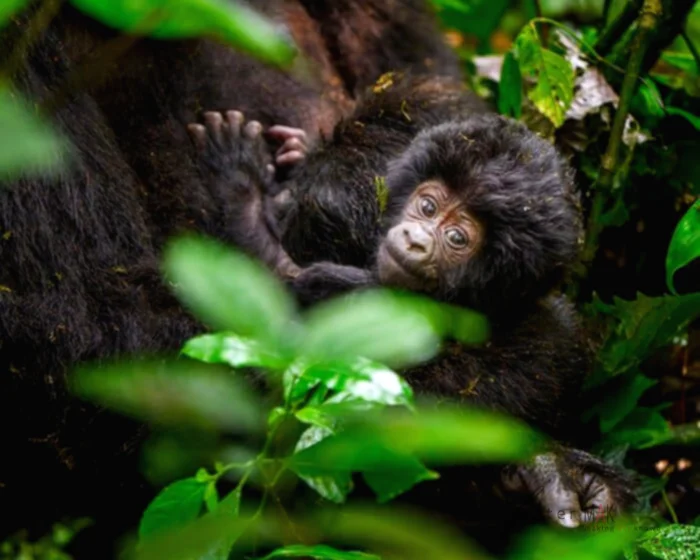
Discover the Fascinating World of Mountain Gorillas in Uganda
Uganda’s lush rainforests are home to one of the world’s most magnificent creatures: the mountain gorilla. Known for their striking appearance and elusive nature, these gorillas captivate the hearts of tourists and researchers alike. Mountain gorillas in Uganda are not just a symbol of the country’s rich biodiversity, but they also play a crucial role in conservation efforts and ecotourism that are vital to the region’s economy.
The Enchanting Habitat of the Mountain Gorillas
Nestled in the heart of East Africa, Uganda offers a unique habitat that is both diverse and protective for its mountain gorilla population. The Bwindi Impenetrable National Park and the Mgahinga Gorilla National Park are the primary sanctuaries for these primates. These parks boast dense forests that provide natural cover and abundant food sources, ensuring the survival of the gorillas in their natural environment.
The geography of these parks is characterized by rugged terrains, steep slopes, and rich vegetation. This challenging landscape is a haven for the mountain gorillas, shielding them from human encroachment and poaching. The dense undergrowth and towering trees create a serene and secluded environment where these creatures can thrive. The parks are also part of a larger ecosystem that extends into neighboring countries, making them a critical component of regional conservation efforts.
A Day in the Life of a Mountain Gorilla
Mountain gorillas are social creatures that live in groups known as troops or bands. Each group is led by a dominant male known as a silverback, named for the distinctive patch of silver hair on their backs. The silverback is responsible for making decisions, mediating conflicts, and ensuring the safety of the group. A typical day in the life of a mountain gorilla involves foraging for food, socializing, and resting.
These gorillas are primarily herbivorous, feeding on a variety of plants, leaves, stems, and fruits found in their forest habitat. Their diet is supplemented by small insects and tree bark. Foraging is a communal activity, with group members often seen grooming each other and engaging in playful behavior. This social interaction is crucial for maintaining the bonds within the group and ensuring the well-being of each member.
Rest periods are also an important part of a gorilla’s daily routine. After a morning of foraging, the group will settle in a suitable location to rest and digest their food. During this time, the gorillas will often nap or engage in quiet social activities under the watchful eye of the silverback.
Challenges and Conservation Efforts
Despite living in protected areas, mountain gorillas in Uganda face numerous challenges that threaten their survival. Habitat loss due to agricultural expansion, illegal logging, and human encroachment are significant threats. Although poaching has decreased due to strict regulations and conservation efforts, it remains a concern.
The Ugandan government, along with international conservation organizations, has implemented several measures to protect these majestic animals. Anti-poaching patrols, community education programs, and habitat restoration projects are some of the strategies employed to safeguard the gorillas and their environment. One of the most effective conservation strategies has been the promotion of ecotourism.
Mountain Gorillas in Uganda: A Spotlight on Ecotourism
Ecotourism has emerged as a powerful tool for gorilla conservation in Uganda. By attracting tourists from around the world, it provides a sustainable source of revenue that supports both local communities and conservation efforts. Gorilla trekking is a popular activity that allows visitors to experience the majesty of these creatures in their natural habitat. This unique opportunity not only raises awareness about the plight of mountain gorillas but also generates funds that are reinvested into their protection.
The revenue generated from ecotourism is used to improve park infrastructure, fund conservation initiatives, and support local communities that live in proximity to the gorilla habitats. By providing alternative livelihoods and economic opportunities, ecotourism reduces the pressure on natural resources and encourages communities to engage in conservation efforts actively.
The Role of Local Communities in Gorilla Conservation
Local communities play a pivotal role in the conservation of mountain gorillas in Uganda. Their involvement is crucial for the success of conservation programs and the sustainability of ecotourism. Many conservation projects have adopted a community-centered approach, recognizing that the support and participation of local people are essential for long-term success.
Community education programs aim to raise awareness about the importance of gorilla conservation and the benefits of ecotourism. By involving local communities in decision-making processes and offering training and employment opportunities, these programs foster a sense of ownership and responsibility towards conservation efforts. Many community members are employed as park rangers, guides, and staff in ecotourism facilities, providing them with a sustainable livelihood and reducing the likelihood of engaging in activities that harm the gorilla population.
Research and Monitoring: Unveiling the Secrets of Gorilla Behavior
Scientific research and monitoring are integral components of gorilla conservation in Uganda. Researchers conduct studies on gorilla behavior, genetics, and health to better understand these creatures and develop effective conservation strategies. Long-term monitoring of gorilla populations helps track their numbers, assess the impact of conservation efforts, and identify potential threats to their survival.
Advanced technologies such as GPS tracking, camera traps, and genetic analysis are employed to gather data on gorilla movements, social dynamics, and health status. This information is invaluable for refining conservation strategies and ensuring the long-term survival of mountain gorillas in Uganda. Collaborative efforts between researchers, conservation organizations, and government agencies have resulted in significant progress in understanding and protecting these remarkable animals.
The Global Significance of Mountain Gorilla Conservation
The conservation of mountain gorillas in Uganda holds global significance. As one of the world’s most endangered species, their survival is crucial for maintaining biodiversity and ecological balance. The efforts to protect these gorillas have become a symbol of successful conservation initiatives that can be replicated in other regions facing similar challenges.
International collaboration and support are essential for the continued success of gorilla conservation in Uganda. Global awareness campaigns, funding, and technical assistance from international organizations play a vital role in supporting local conservation efforts and ensuring the protection of these magnificent creatures for future generations.