
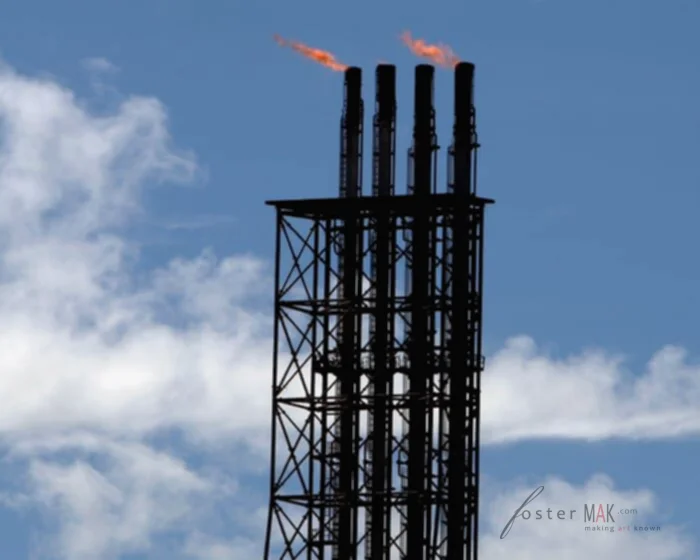
WAs Actions Threaten Australias Climate Goals Will Change Come?
In a rapidly changing world where climate action is becoming increasingly urgent, Western Australia’s (WA) recent actions pose significant challenges to Australia’s overall climate targets. As the nation strives to meet its international commitments, the state’s environmental policies and industrial activities have come under scrutiny. WA threatens Australia’s climate targets by maintaining a trajectory that could undermine national efforts to reduce carbon emissions and transition to renewable energy sources.
Industrial Expansion Amidst Climate Concerns
Western Australia has long been recognized for its rich natural resources and thriving industrial sector. The state is home to numerous mining operations and energy projects, which together form a substantial part of the local economy. However, these industries also contribute significantly to greenhouse gas emissions, making WA a focal point in Australia’s climate debate. Recent expansions in the fossil fuel sector have sparked concern among environmentalists and policymakers who fear that these developments could derail national efforts to combat climate change.
The WA government’s decision to support new oil and gas projects has been met with criticism. Environmental advocates argue that these initiatives contradict the country’s commitment to the Paris Agreement, which aims to limit global warming to well below two degrees Celsius above pre-industrial levels. The expansion of fossil fuel infrastructure not only increases emissions but also locks in long-term carbon output, complicating Australia’s path to net-zero emissions by 2050.
Renewable Energy Potential and Policy Gaps
Despite its reliance on fossil fuels, Western Australia possesses significant potential for renewable energy development. The state’s vast landscapes and abundant sunshine make it ideal for solar power, while its extensive coastline offers opportunities for wind energy generation. However, critics argue that insufficient policy support and investment in renewable infrastructure have hindered progress in this area.
The absence of a cohesive state-level strategy for renewable energy has drawn attention from environmental groups and industry experts. Many believe that a stronger policy framework could accelerate the transition to cleaner energy sources, reducing WA’s carbon footprint and aligning it more closely with national climate targets. The state’s current approach has been described as piecemeal, with individual projects often lacking the integration needed to create a comprehensive clean energy ecosystem.
WA Threatens Australia’s Climate Targets with Policy Inconsistencies
The inconsistency between Western Australia’s industrial policies and national climate goals has become a point of contention in recent years. While the federal government has set ambitious targets for reducing emissions, WA’s continued support for fossil fuel projects presents a significant obstacle. The state’s reluctance to embrace comprehensive climate action has raised questions about the effectiveness of Australia’s overall strategy in addressing global warming.
Critics argue that without a unified approach, the country risks falling short of its international commitments. The tension between state and federal policies highlights the challenges of balancing economic interests with environmental responsibility. As WA threatens Australia’s climate targets, pressure is mounting for both levels of government to collaborate on a more cohesive and sustainable energy strategy.
The Economic Implications of Climate Inaction
The debate over Western Australia’s climate policies is not solely an environmental issue; it also carries significant economic implications. The state’s economy is heavily reliant on industries that contribute to carbon emissions, and any shift towards renewable energy would require careful consideration of potential economic impacts. However, failure to act on climate change could also have dire consequences for WA’s long-term economic stability.
Experts warn that continued reliance on fossil fuels could result in international trade challenges as global markets increasingly demand sustainable practices. Moreover, the financial risks associated with climate inaction, such as increased natural disasters and rising insurance costs, could outweigh the short-term economic benefits of fossil fuel expansion. Balancing economic growth with environmental stewardship is crucial for WA’s future prosperity and its role in the national economy.
WA Threatens Australia’s Climate Targets Through Legislative Hurdles
Western Australia’s legislative framework has been identified as a barrier to achieving national climate objectives. The complexity of navigating state and federal regulations can slow the implementation of renewable energy projects and hinder progress toward emissions reduction. Streamlining these processes is essential to create a more conducive environment for sustainable development.
Industry leaders and environmental advocates alike have called for reforms to address these legislative hurdles. Simplifying approval processes for renewable energy projects and establishing clear guidelines for emissions reduction can help align WA’s policies with national climate goals. Such reforms would not only facilitate the transition to cleaner energy sources but also demonstrate a commitment to tackling climate change at both state and national levels.
Community and Indigenous Perspectives on Environmental Stewardship
As WA threatens Australia’s climate targets, community and Indigenous voices have become increasingly important in shaping the state’s environmental policies. Indigenous communities, in particular, have a deep connection to the land and are often at the forefront of conservation efforts. Their perspectives on sustainable development and environmental stewardship offer valuable insights into balancing industrial growth with ecological preservation.
Engaging with these communities in meaningful dialogue can enhance the state’s approach to climate action. Collaborative efforts that respect Indigenous knowledge and priorities could lead to more effective and inclusive environmental policies. As WA navigates the complex landscape of climate change, incorporating diverse perspectives will be key to fostering a more sustainable and equitable future.
International Perceptions and Australia’s Global Standing
The actions of individual states like Western Australia have implications beyond national borders. As global scrutiny on climate action intensifies, Australia’s international reputation is at stake. The country’s ability to meet its climate commitments and contribute to global efforts against climate change is closely watched by international partners and organizations.
Critics argue that WA’s current trajectory could undermine Australia’s standing as a responsible global citizen in the fight against climate change. Effective climate policy is not only a matter of national interest but also a critical component of maintaining positive diplomatic relations and fulfilling international obligations. Addressing the discrepancies between state and federal actions is essential for Australia to be seen as a leader in environmental sustainability.
The Path Forward: Challenges and Opportunities
The challenges facing Western Australia in aligning with national climate targets are substantial, but they also present opportunities for innovation and leadership. Transitioning to a low-carbon economy requires strategic planning, investment, and collaboration across all sectors of society. By embracing renewable energy, enhancing policy frameworks, and engaging diverse stakeholders, WA can play a pivotal role in Australia’s climate journey.
As the world confronts the realities of climate change, the importance of coordinated action cannot be overstated. Western Australia’s decisions will have lasting impacts on the nation’s ability to achieve its climate goals and contribute to global sustainability. The time for decisive action is now, and the choices made today will shape the future of both the state and the country as a whole.