
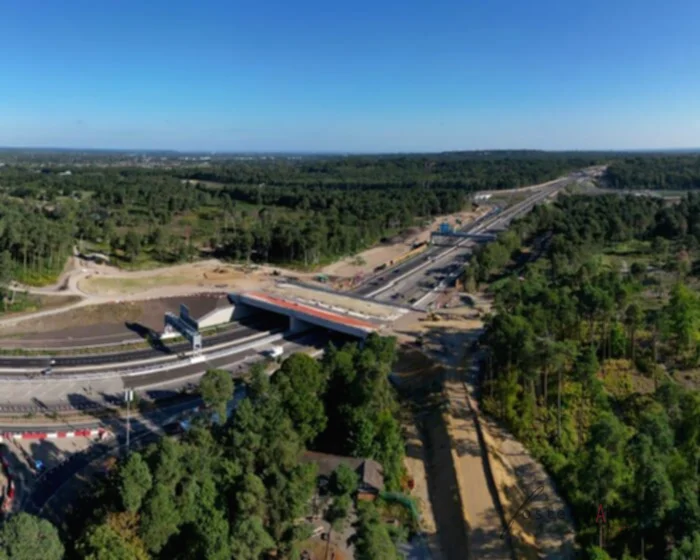
Can green bridges save wildlife on UKs busy motorways?
The sprawling network of motorways that crisscross the United Kingdom is more than just a testament to modern engineering; it is a lifeline for the country’s economy, facilitating the movement of goods and people across regions. However, these busy roads come with a significant downside for the environment. Wildlife habitats are fragmented, and animals are often forced into dangerous crossings that can result in fatal accidents. Among the innovative solutions being deployed to address this issue, green bridges are emerging as a viable option. Green bridges help animals by providing safe passage across busy roadways, reconnecting fragmented habitats, and promoting biodiversity.
What Are Green Bridges?
Green bridges, also known as wildlife overpasses or ecoducts, are structures designed to allow animals to safely cross highways and other barriers that fragment their natural habitats. These bridges are typically covered with soil and vegetation, mimicking the surrounding landscape to encourage animals to use them. The concept, which has been successfully implemented in several countries worldwide, aims to reduce wildlife-vehicle collisions and enhance habitat connectivity.
In the UK, green bridges are becoming increasingly popular as part of broader conservation efforts. These structures are part of a growing recognition of the need to balance infrastructure development with environmental protection. By integrating natural elements into their design, green bridges not only facilitate wildlife movement but also serve as corridors that can be used by a variety of species, from small mammals and amphibians to larger animals like deer.
The Need for Green Bridges in the UK
The UK’s extensive road network poses significant challenges for wildlife. Roads and motorways often act as barriers that prevent animals from accessing vital resources such as food, water, and mates. This isolation can lead to reduced genetic diversity and increased vulnerability to environmental changes. Additionally, the risk of wildlife-vehicle collisions is a constant threat, leading to both animal fatalities and human injuries.
Green bridges offer a practical solution to these problems. By providing animals with a dedicated route over or under traffic, these structures can significantly reduce the number of collisions. Moreover, they help maintain ecological balance by allowing species to move freely between habitats, which is crucial for maintaining healthy populations. As urbanization continues to expand, the need for such solutions becomes ever more pressing.
Green Bridges Help Animals: Success Stories from Around the World
Green bridges have proven successful in various parts of the world, offering valuable lessons for the UK. In the Netherlands, where the concept of wildlife overpasses originated, there are numerous examples of green bridges effectively mitigating the impact of roads on wildlife. The Veluwe Wildlife Overpass, for instance, has been instrumental in connecting different parts of the Veluwe forest, one of the largest contiguous nature reserves in the country.
Similarly, in Canada, the Banff National Park is home to a series of wildlife crossings that have contributed to a significant drop in animal-vehicle collisions. These crossings, which include both overpasses and underpasses, have been carefully monitored and have shown that animals are using them frequently, thus validating their effectiveness.
Implementation of Green Bridges in the UK
In the UK, the implementation of green bridges is still in its early stages, but progress is being made. One notable example is the green bridge over the A21 in Kent, which was completed as part of a major road improvement scheme. This bridge was designed to reconnect habitats that had been split by the road, and early indications suggest that it is being used by a variety of wildlife, including badgers, deer, and birds.
The construction of green bridges involves careful planning and collaboration between ecologists, engineers, and government agencies. It’s not simply a matter of placing a bridge over a road; the location, design, and surrounding habitat all need to be considered to ensure the bridge is effective in facilitating animal movement. Moreover, ongoing monitoring is essential to assess the bridge’s impact and make any necessary adjustments.
Challenges in Building Green Bridges
While the benefits of green bridges are clear, there are several challenges associated with their construction. Cost is a significant factor, as these structures can be expensive to build and maintain. Securing funding and justifying the investment can be difficult, particularly in areas where wildlife populations are not immediately at risk.
There are also technical challenges to consider. The design of green bridges must accommodate the specific needs of the wildlife it aims to support. This includes ensuring that the bridge is wide enough to be inviting for animals and that it blends seamlessly with the surrounding environment. Additionally, each bridge must be tailored to the particular landscape and traffic patterns of the area.
Green Bridges Help Animals: A Sustainable Future
The potential for green bridges to aid in wildlife conservation is immense. By reducing the impact of roads on natural habitats, these structures can play a crucial role in preserving biodiversity. They offer a sustainable solution that aligns with broader environmental goals, such as reducing carbon emissions and promoting green infrastructure.
In the UK, as awareness of environmental issues continues to grow, the demand for green bridges is likely to increase. These structures are not just a means of protecting wildlife; they also represent a shift towards more sustainable and harmonious coexistence with nature. As such, they hold promise for a future where economic development can proceed without compromising the health of the planet.
The Role of Public Awareness and Support
For green bridges to become a widespread and effective solution, public awareness and support are crucial. Educating the public about the benefits of these structures can help garner the necessary political and financial backing. Public engagement can also lead to greater community involvement in conservation efforts, further enhancing the impact of green bridges.
Campaigns and educational initiatives that highlight the success stories of green bridges around the world can serve as powerful tools in this regard. By showcasing how these structures have made a difference elsewhere, stakeholders in the UK can be motivated to invest in similar projects.
Looking Ahead: The Future of Green Bridges in the UK
As the UK continues to grapple with the challenges of balancing development with environmental conservation, green bridges offer a promising path forward. The successful implementation of these structures can serve as a model for other regions and contribute to global efforts to protect biodiversity.
While challenges remain, the growing interest and investment in green bridges signal a positive trend. With continued research, innovation, and public support, green bridges could become a common feature across the UK’s landscape, safeguarding wildlife while supporting the country’s infrastructure needs.