Flood Waters in Gaza Displace Families from Tents
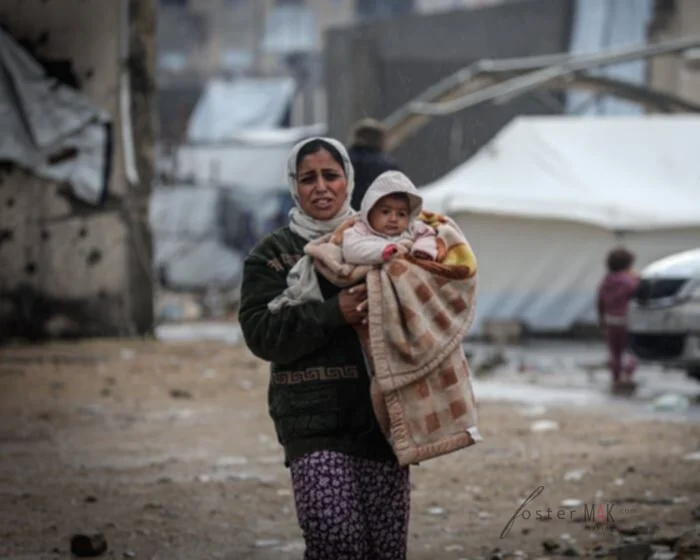
In an unexpected turn of events, flood waters in Gaza have forced hundreds of families out of their makeshift tents, exacerbating the already dire humanitarian situation in the region. Heavy rains over the past few days have caused significant flooding, turning temporary shelters into untenable living spaces for many displaced individuals. This unforeseen natural disaster has added a new layer of complexity to the ongoing crisis, as relief agencies scramble to provide emergency assistance to those affected.
Torrential Rains Trigger Widespread Flooding
The Gaza Strip, a densely populated area already grappling with limited resources and infrastructure challenges, has been hit hard by torrential rains that began earlier this week. Meteorologists reported that the region experienced an unusually high amount of rainfall over a short period, leading to widespread flooding in areas unprepared to handle such a deluge. Streets turned into rivers, and camps housing displaced families were submerged, creating a critical need for immediate intervention.
Local authorities, already stretched thin by ongoing conflicts and resource shortages, found themselves racing against time to evacuate families from the most severely affected areas. Emergency services have been working tirelessly to relocate individuals from waterlogged tents to safer locations, but the sheer scale of the disaster has made it a daunting task.
Humanitarian Concerns Grow as Crisis Deepens
The flooding has intensified existing humanitarian concerns in the Gaza Strip, where many families live in makeshift accommodations due to previous conflicts. These temporary shelters, often made of flimsy materials, offer little protection against the forces of nature. As flood waters in Gaza rose, these vulnerable structures quickly became inundated, leaving families with no choice but to evacuate.
The United Nations Relief and Works Agency (UNRWA) and other humanitarian organizations have been mobilizing resources to assist those affected. However, the logistics of delivering aid in a region with limited infrastructure present significant challenges. Roads have become impassable, and access to clean water and sanitation facilities is severely compromised, raising fears of potential outbreaks of waterborne diseases.
Flood Waters in Gaza: A Community’s Struggle
For many residents of Gaza, the floods are yet another hurdle in a long list of adversities. The community, already resilient from years of hardship, is now facing the daunting task of rebuilding their lives amidst the floodwaters. Families that once lived in tents now find themselves without even the most basic of shelters, relying on the generosity of neighbors and the efforts of aid organizations to meet their immediate needs.
Local community leaders have called for increased international support to address the crisis. They emphasize that while immediate relief is crucial, long-term solutions are necessary to prevent such disasters from having a catastrophic impact in the future. Improved infrastructure, better drainage systems, and more robust emergency preparedness plans are among the key measures needed to mitigate the effects of future natural disasters.
Relief Efforts and the Struggle for Resources
As relief efforts continue, the challenge of securing adequate resources remains a significant barrier. The international community has pledged support, but logistical hurdles and the ongoing blockade of Gaza limit the speed and effectiveness of aid delivery. The scarcity of materials, coupled with the high demand for assistance, means that many families are still waiting for help.
Organizations on the ground are focusing on providing immediate necessities such as food, clean water, and medical supplies. Temporary shelters are being set up in safer locations, but the demand far exceeds the supply. The situation underscores the need for coordinated efforts and sustained support to ensure that those affected by the floods receive the comprehensive aid they desperately need.
Flood Waters in Gaza: The Impact on Health and Safety
The flooding has not only displaced families but also posed significant health and safety risks. The stagnant water left in the aftermath of the floods is a breeding ground for mosquitoes and other insects, heightening the risk of diseases such as malaria and dengue fever. Additionally, the lack of access to clean water and proper sanitation facilities increases the likelihood of outbreaks of gastrointestinal illnesses.
Healthcare providers in Gaza are working under challenging conditions to address these public health concerns. Clinics and hospitals, already overwhelmed by the demands of the ongoing humanitarian crisis, are now facing an influx of patients with flood-related health issues. The need for medical supplies and personnel is pressing, as the healthcare system struggles to cope with the dual challenges of treating current patients and preparing for potential disease outbreaks.
Rebuilding and Recovery: The Road Ahead
As the floodwaters begin to recede, the daunting task of rebuilding and recovery lies ahead for the people of Gaza. The immediate focus is on restoring some semblance of normalcy for displaced families, providing them with secure housing and access to essential services. However, the road to full recovery is long and fraught with obstacles.
International aid organizations are calling for sustained support to help Gaza rebuild its infrastructure and improve its resilience to future natural disasters. This includes investing in improved drainage systems, constructing more durable shelters, and enhancing emergency preparedness measures. The goal is to create a safer and more secure environment for the residents of Gaza, reducing the impact of future floods and other natural calamities.
In the face of adversity, the resilience and determination of the people of Gaza remain unwavering. Community solidarity and the efforts of local and international aid organizations are crucial in overcoming the challenges posed by the floodwaters. The journey to recovery is underway, but the need for comprehensive and sustained support is clear as Gaza works towards a more stable and secure future.