
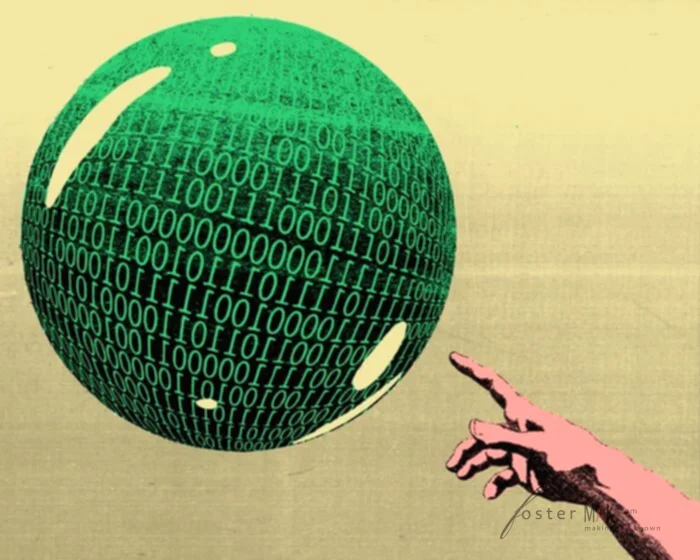
Humans Reclaim Control as AI Bubble Finally Bursts
The AI bubble bursts, leaving behind a trail of reassessment and recalibration in the tech industry and beyond. After years of unprecedented hype and investment, the artificial intelligence sector is experiencing a significant downturn. This shift is prompting stakeholders to reevaluate their strategies and expectations. As valuations drop and startups struggle, the world is witnessing a pivotal moment in the evolution of AI technology.
The Rise and Fall of AI Hype
Artificial intelligence has long been heralded as the next frontier in technological innovation. Over the past decade, tech giants and startups alike have poured billions of dollars into AI research and development. The promise of machines that can learn, adapt, and perform complex tasks was an alluring proposition. Investors were eager to capitalize on what seemed like a limitless potential for growth and disruption across multiple sectors.
However, the rapid scaling and ambitious projections often outpaced the actual capabilities of AI technologies. While there have been significant advances in areas like natural language processing and computer vision, many applications failed to deliver on their lofty promises. The combination of overinflated expectations and unmet deliverables set the stage for the current reckoning.
Investors Pull Back as Reality Sets In
As the AI bubble bursts, investors are growing increasingly cautious. Venture capital firms that once eagerly funded AI startups are now scrutinizing business models and technological viability more closely. The shift in investor sentiment is reflected in the plummeting valuations of many AI companies, some of which have seen their worth slashed by half or more.
This retreat is not solely due to the technical challenges inherent in AI development. Regulatory pressures, ethical concerns, and public skepticism have also played a role in cooling investor enthusiasm. High-profile incidents involving biased algorithms and data privacy breaches have underscored the potential risks associated with AI technology, prompting calls for greater oversight and accountability.
The Human Element Reasserts Itself
With the AI bubble bursts, there is a renewed focus on the human element in technology development and deployment. Organizations are increasingly recognizing the importance of human oversight and ethical considerations in AI projects. Rather than pursuing fully autonomous systems, many companies are adopting a more balanced approach that emphasizes human-AI collaboration.
This shift is evident in sectors such as healthcare and finance, where human expertise is crucial in ensuring accurate and responsible decision-making. By integrating AI tools as augmentative rather than replacement technologies, businesses can leverage the strengths of both human and machine intelligence.
Challenges in Commercializing AI Technologies
One of the primary challenges that emerged as the AI bubble bursts is the difficulty in commercializing AI technologies. While research and development have yielded impressive breakthroughs, translating these advances into viable products and services has proven more complex than anticipated.
AI technologies often require significant customization to meet the specific needs of different industries and applications. This customization can be costly and time-consuming, limiting the scalability and profitability of AI solutions. Additionally, integrating AI into existing systems and workflows presents technical and organizational hurdles that many companies are still navigating.
AI Bubble Bursts: Lessons Learned
The AI bubble bursts serve as a powerful reminder of the importance of tempered expectations and realistic goal-setting in technological innovation. The industry is now taking stock of the lessons learned during the boom years. Among the key takeaways is the need for greater transparency and accountability in AI development processes.
Developers and companies are being urged to adopt ethical guidelines and rigorous testing protocols to ensure that AI systems are safe, fair, and reliable. This includes addressing issues related to data bias, privacy, and security. By prioritizing responsible innovation, the industry can rebuild trust and lay a foundation for sustainable growth.
AI Bubble Bursts: A Call for Collaboration
As the AI bubble bursts, there is a growing recognition of the need for collaboration across sectors and disciplines. Addressing the complex challenges associated with AI technology requires input from diverse stakeholders, including technologists, ethicists, policymakers, and end-users.
Collaborative efforts are already underway in many areas, such as the development of industry standards and best practices for AI deployment. These initiatives aim to foster a more inclusive and equitable approach to AI innovation, one that considers the broader societal implications of technological advancement.
The Path Forward for AI
Despite the setbacks and recalibration brought on as the AI bubble bursts, the field of artificial intelligence remains a vibrant and dynamic area of research and development. Many industry experts believe that the current downturn is a natural phase in the maturation of AI technology, akin to the
AI winters
of the past.
Looking ahead, the focus is likely to shift toward more pragmatic and targeted applications of AI. Instead of grandiose promises of transformative change, the industry is expected to concentrate on solving specific, tangible problems where AI can provide clear benefits. This approach may lead to slower but more sustainable progress, ultimately resulting in more meaningful and impactful innovations.
The bursting of the AI bubble marks a turning point in the evolution of artificial intelligence. As the dust settles, the industry is poised to emerge stronger and more resilient, guided by a renewed emphasis on human collaboration, ethical considerations, and responsible innovation.