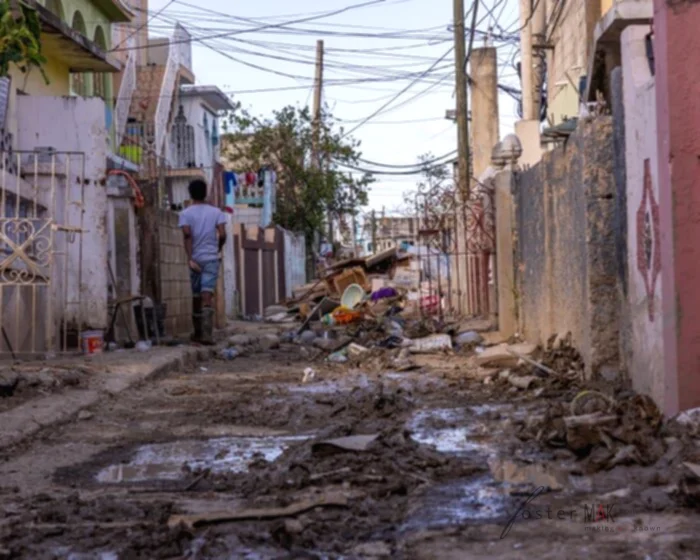
Adapting to the Climate Crisis The Truth About Extreme Weather
In recent years, the world has witnessed an increasing frequency of extreme weather events, prompting urgent discussions on adapting to the climate crisis. From devastating hurricanes and floods to scorching heatwaves and raging wildfires, the impacts of climate change are becoming more apparent and severe. The need for adaptation strategies has never been more critical as communities and governments grapple with how to respond effectively to this growing threat.
Confronting the Reality of Extreme Weather
Extreme weather events are no longer anomalies; they are becoming a new norm. Scientists have long warned about the potential consequences of climate change, and now these predictions are manifesting with alarming regularity. The rise in global temperatures has led to more intense and unpredictable weather patterns, affecting millions worldwide. As these events grow in frequency and intensity, the necessity for communities to adapt has become paramount.
Recent studies indicate that climate change increases the likelihood of extreme weather events such as hurricanes, droughts, and floods. For example, warmer ocean temperatures contribute to more powerful hurricanes, while prolonged periods of heat exacerbate drought conditions. The ripple effects of these events are far-reaching, impacting agriculture, infrastructure, and public health. Consequently, adapting to the climate crisis is not just about reducing emissions but also about building resilience to withstand these challenges.
Adapting to the Climate Crisis A Global Imperative
Adapting to the climate crisis is a pressing global imperative that requires coordinated efforts across nations and sectors. As the impacts of climate change become more pronounced, countries are increasingly focusing on adaptation strategies to minimize the damage caused by extreme weather events. This includes investing in infrastructure that can withstand storms and floods, developing early warning systems, and implementing policies that promote sustainable land use and water management.
In coastal regions, where rising sea levels pose a significant threat, adaptation measures include building seawalls and restoring natural barriers such as mangroves and wetlands. These initiatives are crucial in protecting communities from storm surges and coastal erosion. Additionally, countries are exploring innovative solutions such as floating cities and climate-resilient architecture to adapt to changing conditions.
Urban areas, too, are on the frontline of climate adaptation. Cities are implementing green infrastructure projects, such as green roofs and urban forests, to mitigate the heat island effect and manage stormwater runoff. These initiatives not only help cool down urban environments but also enhance biodiversity and improve air quality, contributing to overall resilience.
Local Communities Leading the Charge
While national and international efforts are essential, local communities play a vital role in adapting to the climate crisis. Grassroots initiatives and community-driven projects have emerged as powerful tools in building resilience and fostering sustainable practices. Across the globe, communities are coming together to implement localized solutions that address specific vulnerabilities and needs.
In rural areas, farmers are adopting climate-smart agricultural practices to cope with changing weather patterns. This includes using drought-resistant crops, implementing efficient irrigation systems, and diversifying income sources to reduce dependency on single crops. By integrating traditional knowledge with modern techniques, these communities are better equipped to withstand climate-related shocks.
Similarly, indigenous communities, who are often at the forefront of climate impacts, are leveraging their deep understanding of local ecosystems to develop adaptive strategies. Their knowledge of land stewardship and resource management offers valuable insights into sustainable practices that can be applied on a broader scale.
Innovative Technologies Paving the Way
As the world grapples with adapting to the climate crisis, technology emerges as a key enabler of resilience. Advances in technology offer new tools and solutions to address the challenges posed by extreme weather events. From satellite monitoring systems that provide real-time data on weather patterns to advanced modeling techniques that predict future climate scenarios, technology is revolutionizing how we understand and respond to climate change.
One promising area of innovation is the development of climate-resilient infrastructure. Engineers are designing buildings and transportation systems that can withstand extreme weather conditions, incorporating features such as elevated structures, flood-resistant materials, and energy-efficient technologies. These innovations not only enhance the durability of infrastructure but also contribute to reducing emissions and promoting sustainability.
Moreover, technology is transforming how we communicate and disseminate information about climate risks. Social media platforms and mobile applications are being used to raise awareness and provide critical information during emergencies. Early warning systems that leverage technology are proving instrumental in saving lives and minimizing damage by providing timely alerts to at-risk populations.
Adapting to the Climate Crisis Lessons from Around the World
Countries worldwide are implementing diverse strategies to adapt to the climate crisis, offering valuable lessons and insights. In the Netherlands, a nation renowned for its expertise in water management, innovative solutions such as floating houses and multifunctional dikes are being developed to cope with rising sea levels. These projects demonstrate the importance of integrating engineering expertise with community engagement to create sustainable and resilient solutions.
In Bangladesh, a country highly vulnerable to flooding, community-based adaptation programs have been successful in empowering local populations to take proactive measures. This includes constructing raised homes, developing flood-resistant crop varieties, and establishing community savings groups to provide financial support during emergencies. These initiatives highlight the significance of empowering local communities to drive adaptation efforts.
Similarly, in Africa, where climate impacts are exacerbating existing challenges, countries are focusing on building climate-smart agriculture systems and strengthening disaster risk management. By investing in capacity-building and knowledge-sharing initiatives, African nations are laying the groundwork for sustainable development and resilience in the face of climate change.
Challenges and Opportunities in Adaptation
Despite significant progress, adapting to the climate crisis presents numerous challenges. Limited financial resources, political obstacles, and social inequalities often hinder the implementation of effective adaptation strategies. Vulnerable communities, particularly in developing countries, face additional barriers due to lack of infrastructure, technology, and institutional support.
However, the urgency of the climate crisis also presents opportunities for innovation and collaboration. International cooperation and knowledge exchange are crucial in addressing shared challenges and finding solutions that work across different contexts. By fostering partnerships between governments, academia, private sector, and civil society, the global community can harness collective expertise and resources to drive meaningful change.
Furthermore, investing in adaptation measures offers long-term economic benefits by reducing the costs associated with disaster recovery and enhancing economic resilience. As countries prioritize adaptation in their climate agendas, there is an opportunity to create jobs, stimulate economic growth, and build more sustainable and inclusive societies.
In conclusion, adapting to the climate crisis is an urgent and complex task that requires coordinated efforts at all levels. As extreme weather events become more frequent and severe, the need for effective adaptation strategies becomes increasingly pressing. Through innovative technologies, community-driven initiatives, and international collaboration, the world can build resilience and safeguard a sustainable future for generations to come.